
Gunnera perpensa
IOverview
Overview
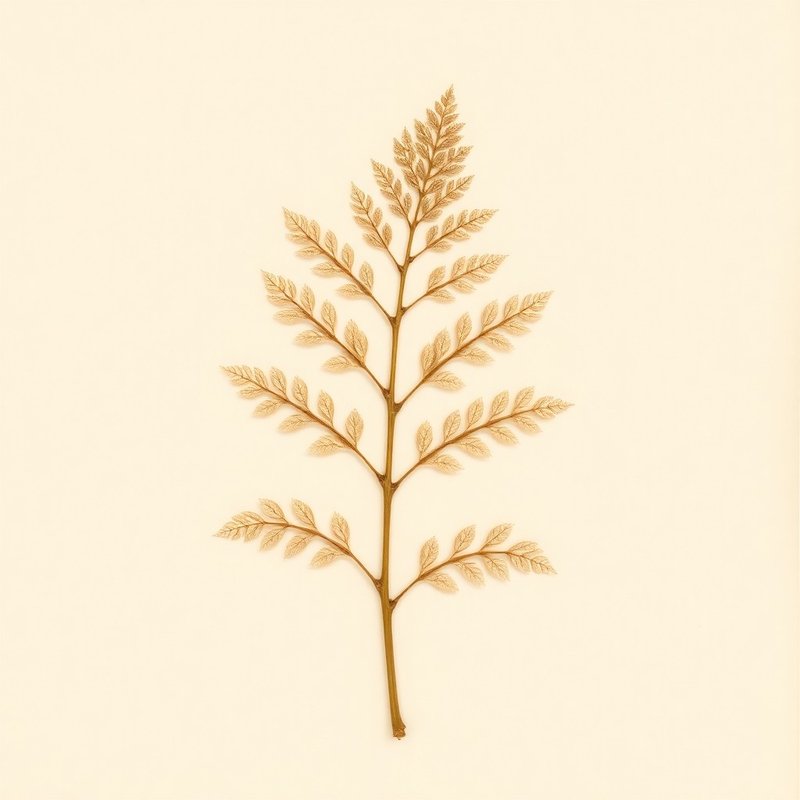
Gunnera perpensa, commonly known as Gunnera perpensa, is a perennial plant native to a wide range of regions including Burundi, Ethiopia, and various provinces in southern Africa such as KwaZulu-Natal, Lesotho, and Zimbabwe. This plant thrives in moist conditions with partial sun or shade and can be found growing in light, medium, or heavy soil types. Known for its edible leaves and stems, Gunnera perpensa is often cultivated for culinary use. The young leaves can be harvested and prepared by steaming or boiling before consumption, while the stems may also be eaten after cooking. This plant can grow up to 0.5 meters tall, making it a notable addition to gardens and landscapes where it can provide both ornamental value and edibility. While primarily cultivated for its edible parts, Gunnera perpensa is not known for medicinal uses.
What is Gunnera perpensa?
Gunnera perpensa, commonly known as Gunnera perpensa, is a perennial plant native to a wide range of regions including Burundi, Ethiopia, and various provinces in southern Africa such as KwaZulu-Natal, Lesotho, and Zimbabwe.
VCultivation
Cultivation
How to grow Gunnera perpensa for the first time
Start with planting Skip in a moist, well-draining soil and full to partial sun for a simple beginner project.
- 1
What you'll need
Skip plant, garden gloves, trowel, watering can.
- 2
Best time to plant
Plant Skip in spring or early summer when the weather is mild.
- 3
Soil and container prep
Choose a spot with light to medium soil that stays moist. Ensure good drainage.
- 4
Sowing or transplanting
Transplant Skip from containers into the garden, spacing plants 1-2 meters apart.
- 5
First two weeks
Water regularly to keep the soil consistently moist but not waterlogged.
- 6
Ongoing care
Provide full sun or partial shade. Water weekly during dry spells and mulch to retain moisture.
- 7
Harvest or pruning
Prune dead leaves in late winter before new growth starts to maintain the plant's health.
- 8
Common mistakes
Overwatering, planting in heavy clay soil, neglecting winter protection for young plants.
VIEdible & utility
Edible & utility
VIIDistribution
15 native · 0 introduced
Distribution
15 native · 0 introducedIXSpecimen gallery
1 image
Specimen gallery
1 imageExplore further
About this entry
- Last updated
- Citation
- How to cite this entry · Submit a correction
Continue reading
Get archive updates
Occasional email when substantial new content lands — plant profiles, seasonal growing notes, folk-remedy additions. Free, no tracking, unsubscribe anytime.