
Pau D'Arco
Handroanthus impetiginosus
Educational content — not medical, botanical, or professional advice. Plant identification, safety, and edibility depend on local conditions, cultivars, and correct identification. Consult a qualified botanist or forager before consuming or handling wild specimens. How we source & review →
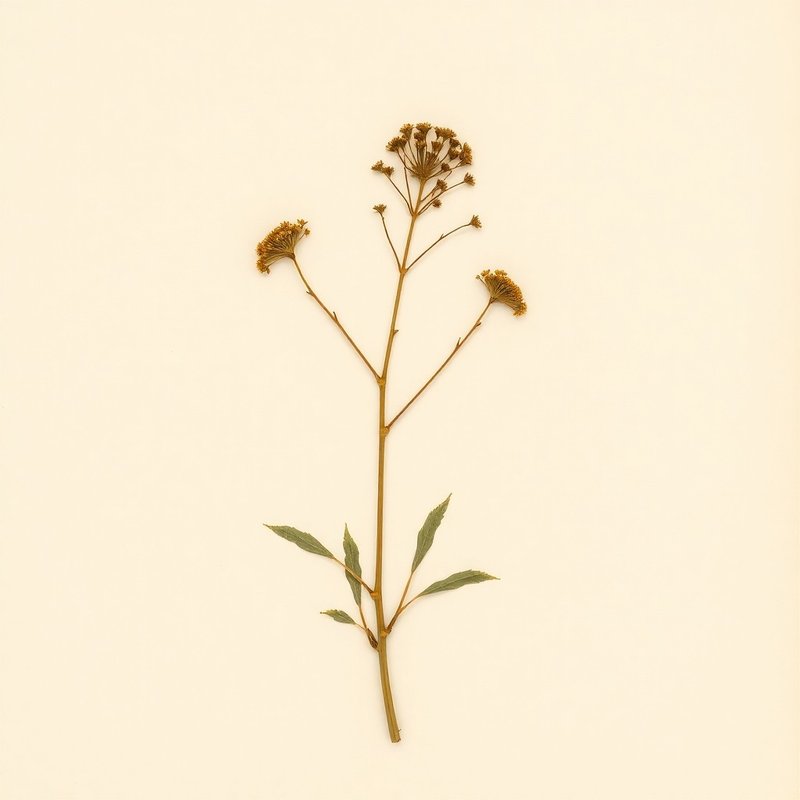
Pl. EDD7 — Handroanthus impetiginosus
Handroanthus impetiginosusHandroanthus impetiginosusHandroanthus impetiginosusHandroanthus impetiginosusHandroanthus impetiginosusHandroanthus impetiginosusHandroanthus impetiginosusHandroanthus impetiginosusHandroanthus impetiginosusHandroanthus impetiginosusHandroanthus impetiginosusHandroanthus impetiginosusHandroanthus impetiginosusHandroanthus impetiginosus
IOverview
Overview
Pau D'Arco, scientifically known as Handroanthus impetiginosus, is a large tree native to the tropical regions of Central and South America, including countries like Brazil, Colombia, and Venezuela. This tree thrives in full sun and prefers moist, well-drained soils that can be light (sandy), medium, or heavy (clay). It is hardy in zones 10-12 and can grow up to 20 meters tall. Pau D'Arco is both edible and ornamental; its inner bark is used for various purposes. The tree's distinctive feature lies in its adaptability across diverse habitats, making it a valuable resource in its native range.
Quick answers
What is Pau D'Arco?
Pau D'Arco, scientifically known as Handroanthus impetiginosus, is a large tree native to the tropical regions of Central and South America, including countries like Brazil, Colombia, and Venezuela. This tree thrives in full sun and prefers moist, well-drained soils that can be light (sandy), medium, or heavy (clay).
Growingconditions · propagation · uses
VCultivation
Cultivation
Pau D'Arco thrives in full sun and requires moist soil that can be light (sandy), medium, or heavy (clay). It is hardy in zones 10-12, making it suitable for warm climates. The plant grows up to 20 meters tall and is native to regions including Argentina, Bolivia, Brazil, Colombia, Costa Rica, and other Central American countries. For cultivation, focus on providing ample sunlight and maintaining consistent moisture levels. Propagation can be done through seeds or cuttings. Harvest the inner bark for its edible parts.
Light
Full sun
Water
Moist
Soil
Light (sandy), Medium, Heavy (clay)
Hardiness
10-12
Mature size
20.0 m tall
For first-time growers
How to grow Pau D'Arco for the first time
7steps
Start with a simple, full-sun location and well-draining soil for your Pau D'Arco.
- 1
What you'll need
A young Pau D'Arco sapling or seeds, potting mix, a container if planting in a pot.
- 2
Best time to plant
Plant in spring when the last frost has passed and temperatures are warm.
- 3
Soil and container prep
Use well-draining soil with a pH between 6.0 and 7.5, ensuring good drainage if planting in a pot.
- 4
Sowing or transplanting
Transplant young saplings carefully to avoid damaging roots; sow seeds directly into the ground or start them indoors.
- 5
First two weeks
Water regularly but do not overwater, keeping the soil moist. Place in a sunny spot.
- 6
Ongoing care
Provide full sun and regular watering to keep the soil consistently moist. Fertilize lightly once a year.
- 7
Harvest or pruning
Prune young trees to shape them; avoid harvesting inner bark as it is not commonly done for beginners.
VIEdible & utility
Edible & utility
Edible parts:Inner bark
Edible uses: Tea
Other uses:Lumber
Contextrange · companions · related
VIIDistribution
21 native · 0 introduced
Distribution
21 native · 0 introducedDistribution across1 continent· 21 native
Americas12 regions
native (12)BoliviaColombiaCosta RicaEl SalvadorFrench GuianaGuatemalaHondurasNicaraguaParaguayPeruSurinameVenezuela
Broader regions
native:Argentina Northwest, Brazil North, Brazil Northeast, Brazil Southeast, Brazil West-Central, Mexico Central, Mexico Southeast, Panamá, Mexico Southwest
IXSpecimen gallery
1 image
Specimen gallery
1 imageXI
Explore further
Companion planting
Growing zone
XII
About this entry
- Last updated
- Citation
- How to cite this entry · Submit a correction
Back to the cataloguePlant id · edd77f01-3d31-4685-8c50-0702430c6345
Decision aid
Choosing between Pau D'Arco and something else?
Continue reading
❦❦❦❦
Endpaper · archive updates
Get archive updates
Occasional email when substantial new content lands — plant profiles, seasonal growing notes, folk-remedy additions. Free, no tracking, unsubscribe anytime.