
Butterfly Ginger
Hedychium coronarium
Educational content — not medical, botanical, or professional advice. Plant identification, safety, and edibility depend on local conditions, cultivars, and correct identification. Consult a qualified botanist or forager before consuming or handling wild specimens. How we source & review →
Garden journal pausedUse profile notes below
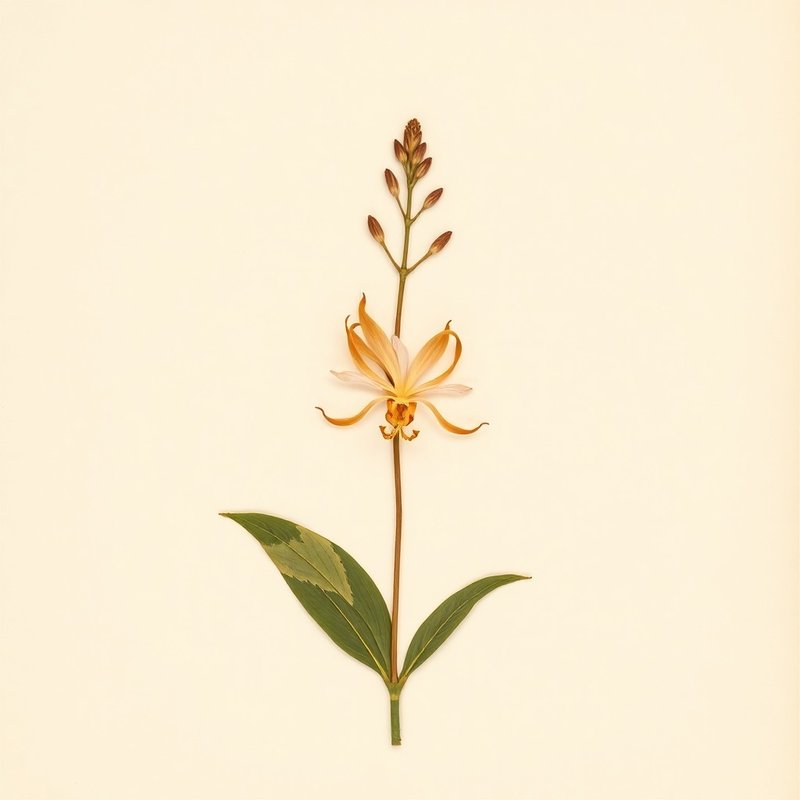
Pl. EA57 — Hedychium coronarium
Hedychium coronariumHedychium coronariumHedychium coronariumHedychium coronariumHedychium coronariumHedychium coronariumHedychium coronariumHedychium coronariumHedychium coronariumHedychium coronariumHedychium coronariumHedychium coronariumHedychium coronariumHedychium coronarium
IOverview
Overview
Butterfly Ginger (Hedychium coronarium), a perennial herb belonging to the Zingiberaceae family, is native to regions such as Assam, China South-Central, China Southeast, East Himalaya, India, Myanmar, Nepal, Taiwan, and Thailand. This plant thrives in moist, wet conditions and requires full sun exposure, adapting to various soil types, from light (sandy) to heavy (clay). It can grow up to 1.5 meters tall and is known for its edible flowers, which are often used in culinary applications, adding a pleasant flavor to salads and stir-fries. Butterfly Ginger is found naturally across a wide range of habitats, making it a versatile ornamental plant for gardens. Its edible flowers are a popular ingredient in local cuisines, enhancing the taste of dishes. However, it should be noted that while the plant is not medicinal, it can have a weed potential in certain areas, so careful management is recommended. In cultivation, Butterfly Ginger thrives in full sun and requires moist to wet soil that can be light (sandy), medium, or heavy (clay). It is hardy in zones 8-11 and grows as a perennial. For propagation, division or seed sowing are effective methods. Harvest its edible flowers for culinary use while ensuring the plant remains healthy in its preferred habitat conditions.
Quick answers
What is Butterfly Ginger?
Butterfly Ginger (Hedychium coronarium), a perennial herb belonging to the Zingiberaceae family, is native to regions such as Assam, China South-Central, China Southeast, East Himalaya, India, Myanmar, Nepal, Taiwan, and Thailand.
Growingconditions · propagation · uses
VCultivation
Cultivation
Butterfly Ginger thrives in full sun and requires moist to wet soil that can be light (sandy), medium, or heavy (clay). It is hardy in zones 8-11 and grows as a perennial, reaching heights of 1.5 meters. For propagation, division or seed sowing are effective methods. Harvest its edible flowers for culinary use while ensuring the plant remains healthy in its preferred habitat conditions.
Light
Full sun
Water
Moist, Wet
Soil
Light (sandy), Medium, Heavy (clay)
Hardiness
8-11
Life cycle
Perennial
Habit
Forb/herb
Mature size
1.5 m tall
For first-time growers
How to grow Butterfly Ginger for the first time
8steps
Start with Butterfly Ginger to add a fragrant touch to your garden, suitable for beginners.
- 1
What you'll need
Butterfly Ginger rhizomes, gardening gloves, spade or trowel.
- 2
Best time to plant
Plant in spring after the last frost, when temperatures are mild.
- 3
Soil and container prep
Choose a location with well-draining soil that is moist but not waterlogged. Ensure full sun exposure.
- 4
Sowing or transplanting
Plant rhizomes 2-3 inches deep, spacing them about 18 inches apart in the garden bed.
- 5
First two weeks
Keep soil consistently moist and avoid overwatering. Monitor for signs of stress like wilting.
- 6
Ongoing care
Water regularly to maintain moisture, especially during dry spells. Fertilize with a balanced organic fertilizer in early spring.
- 7
Harvest or pruning
Prune dead foliage and spent flowers to encourage new growth and maintain plant health.
- 8
Common mistakes
Overwatering, planting too deep, neglecting winter protection in colder zones.
VIEdible & utility
Edible & utility
Edible parts:Flowers
Edible uses: The butterfly ginger's flowers are edible and can be enjoyed raw or used in cooked dishes. They add a pleasant flavor to salads and are sometimes incorporated into stir-fries for a unique taste.
Other uses:Essential OiltextilesFragrance
Contextrange · companions · related
VIIDistribution
10 native · 58 introduced
Distribution
10 native · 58 introducedDistribution across5 continents· 10 native· 58 introduced
Europe1 region
introduced (1)Portugal
Asia11 regions
native (7)ChinaIndiaMyanmarNepalTaiwanThailandVietnam
introduced (4)BangladeshPhilippinesSouth KoreaSri Lanka
Americas17 regions
introduced (17)BelizeBoliviaColombiaCosta RicaCubaDominican RepublicEcuadorFrench GuianaGuyanaHaitiHondurasJamaicaParaguayPuerto RicoSurinameUnited StatesVenezuela
Africa2 regions
introduced (2)MadagascarMauritius
Oceania3 regions
introduced (3)FijiNew CaledoniaTonga
Broader regions
native:East Himalaya
introduced:Andaman Is., Argentina Northeast, Argentina Northwest, Bismarck Archipelago, Brazil Northeast, Brazil Southeast, Caroline Is., Cook Is., Florida, Galápagos, Gulf of Guinea Is., Jawa, KwaZulu-Natal, Leeward Is., Lesser Sunda Is., Malaya, Mexico Southwest, Nansei-shoto, Nicobar Is., Northern Provinces, Ogasawara-shoto, Queensland, Réunion, Society Is., Solomon Is., Trinidad-Tobago, Tuamotu, Tubuai Is., Venezuelan Antilles, Wallis-Futuna Is., Windward Is.
IXSpecimen gallery
1 image
Specimen gallery
1 imageXI
Explore further
Companion planting
Growing zone
XII
About this entry
- Last updated
- Citation
- How to cite this entry · Submit a correction
Back to the cataloguePlant id · ea5754d7-a989-4ef3-9da9-82f8246bfafa
Decision aid
Choosing between Butterfly Ginger and something else?
Continue reading
❦❦❦❦
Endpaper · archive updates
Get archive updates
Occasional email when substantial new content lands — plant profiles, seasonal growing notes, folk-remedy additions. Free, no tracking, unsubscribe anytime.
Newsletter returning soon.
We are rebuilding the update list around a lightweight editorial workflow. New dispatches will resume after the next content review cycle.