
Hedysarum arcticum
IOverview
Overview
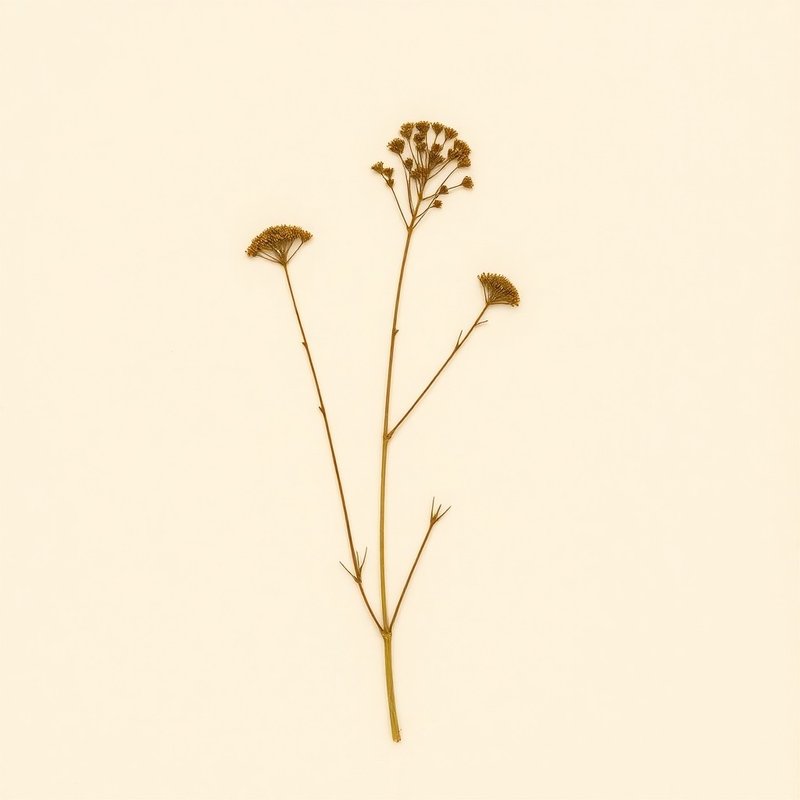
Hedysarum arcticum, commonly known as Arctic Hedysarum, is a perennial forb or herb native to northern regions of Russia and parts of Mongolia, including Buryatiya, Chita, East European Russia, Irkutsk, Krasnoyarsk, Mongolia, North European Russi, West Siberia, and Yakutskiya. This plant thrives in moist conditions with light soil that can be sandy, medium, or heavy (clay), and it prefers full sun exposure. The optimal pH range for its growth is between 5.2 and 8. Its edible parts include the roots, which are typically dug from the ground and used fresh or dried for later consumption. Roots may also be boiled to soften them before eating. This hardy perennial reaches a height of about 0.3 meters and is known for its adaptability to various soil types and climates in its native range. The plant's root system makes it valuable as a nitrogen fixer, contributing to the fertility of the soil. Its distinctive red flowers add ornamental value to landscapes where it can be cultivated. While not medicinal according to the provided data, Hedysarum arcticum is notable for its edible roots and its role in enhancing soil health through nitrogen fixation. Cultivation should focus on providing full sun and moist, well-drained soils with a pH between 5.2 and 8 for optimal growth.
What is Hedysarum arcticum?
Hedysarum arcticum, commonly known as Arctic Hedysarum, is a perennial forb or herb native to northern regions of Russia and parts of Mongolia, including Buryatiya, Chita, East European Russia, Irkutsk, Krasnoyarsk, Mongolia, North European Russi, West Siberia, and Yakutskiya.
VCultivation
Cultivation
How to grow Hedysarum arcticum for the first time
Start with Hedysarum arcticum as a simple, low-maintenance perennial for your garden.
- 1
What you'll need
Seeds or small plants, a trowel, and a watering can.
- 2
Best time to plant
Plant in early spring after the last frost or in late summer for fall establishment.
- 3
Soil and container prep
Ensure soil is well-draining with a pH between 5.2 and 8, and prepare containers if needed.
- 4
Sowing or transplanting
Direct sow seeds in the ground or start them indoors and transplant after danger of frost passes.
- 5
First two weeks
Water regularly to keep soil moist but not waterlogged. Monitor for pests and diseases.
- 6
Ongoing care
Provide full sun, regular watering, and occasional light fertilization in spring.
- 7
Harvest or pruning
Prune dead foliage in late winter to maintain plant health and appearance.
- 8
Common mistakes
Overwatering, planting in heavy soil, neglecting sun exposure, not providing enough space for growth, and failing to prune regularly.
VIEdible & utility
Edible & utility
VIIDistribution
25 native · 0 introduced
Distribution
25 native · 0 introducedIXSpecimen gallery
1 image
Specimen gallery
1 imageExplore further
About this entry
- Last updated
- Citation
- How to cite this entry · Submit a correction
Continue reading
Get archive updates
Occasional email when substantial new content lands — plant profiles, seasonal growing notes, folk-remedy additions. Free, no tracking, unsubscribe anytime.