
Skip to content
IIIFolio · plant profile5725edible
Data provenancePermapeopleTreflePFAFPOWOreviewed 7 Jul 2026methodology → read

Day Lily

Hemerocallis darrowiana
Educational content — not medical, botanical, or professional advice. Plant identification, safety, and edibility depend on local conditions, cultivars, and correct identification. Consult a qualified botanist or forager before consuming or handling wild specimens. How we source & review →
Updated·Quick Q&A →
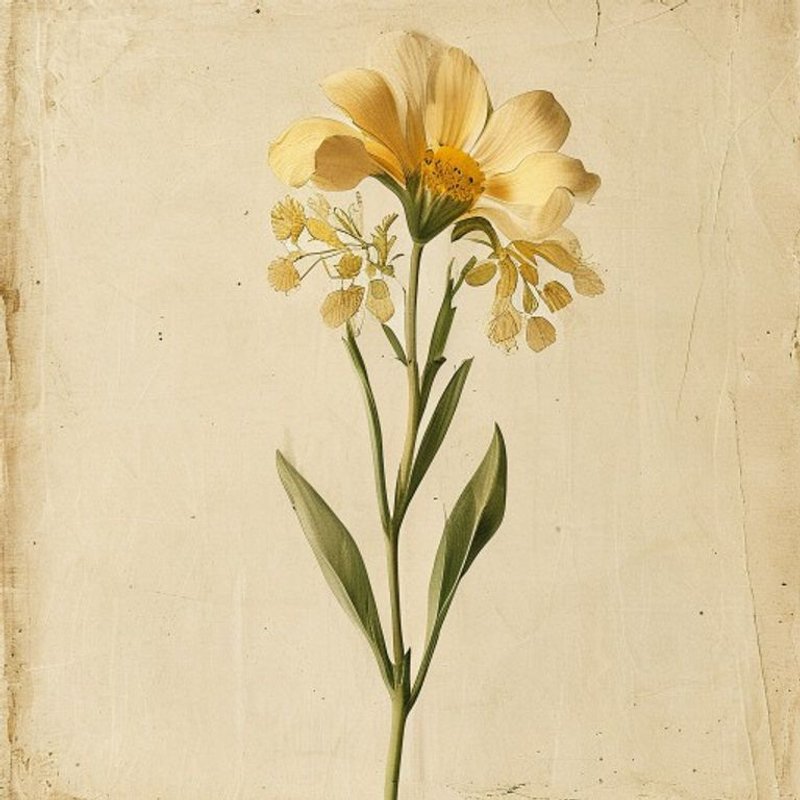
Hemerocallis darrowiana (Day Lily) — botanical photograph
Pl. 5725Hemerocallis darrowiana
Hemerocallis darrowianaHemerocallis darrowianaHemerocallis darrowianaHemerocallis darrowianaHemerocallis darrowianaHemerocallis darrowianaHemerocallis darrowianaHemerocallis darrowianaHemerocallis darrowianaHemerocallis darrowianaHemerocallis darrowianaHemerocallis darrowianaHemerocallis darrowianaHemerocallis darrowiana
I

Overview

Day Lily (Hemerocallis darrowiana) is a perennial plant native to Sakhalin, where it thrives in various habitats including full sun and partial shade, with preferences for dry to moist conditions. Its light requirement makes it adaptable to different environments, while its ability to grow in soils ranging from sandy to clay ensures its versatility as an ornamental or edible addition to gardens. The plant is known for its edible parts, which include flowers, leaves, roots, and shoots, making it a valuable resource both for its beauty and culinary uses. One distinctive feature of Day Lily is its light tolerance, allowing it to flourish in a variety of lighting conditions from full sun to partial shade.

Quick answers

What is Day Lily?

Day Lily (Hemerocallis darrowiana) is a perennial plant native to Sakhalin, where it thrives in various habitats including full sun and partial shade, with preferences for dry to moist conditions.

Growingconditions · propagation · uses
V

Cultivation

Day Lily thrives in full to partial sun, with some plants preferring partial shade. It grows best in light (sandy), medium, or heavy (clay) soils and is adaptable to a wide range of moisture levels from dry to moist conditions. The plant prefers a soil pH between 4.8 and 8. Day Lilies are hardy perennials that can reach heights of about 0.1 meters. For cultivation, ensure the soil is well-draining but retains some moisture; full sun exposure is ideal, though partial shade can also be suitable for certain varieties. Propagate through division or seed sowing in spring or fall. Harvest edible parts such as flowers, leaves, roots, and shoots throughout the growing season.
Light
Full sun, Partial sun/shade
Water
Dry, Moist
Soil
Light (sandy), Medium, Heavy (clay)
Life cycle
Perennial
Mature size
0.1 m tall
Soil pH
4.8–8
For first-time growers

How to grow Day Lily for the first time

7steps

Start with Day Lilies for a low-maintenance, rewarding experience.

  1. 1

    What you'll need

    Day Lily plants or seeds, garden soil, containers if planting in pots.

  2. 2

    Best time to plant

    Plant in spring after the last frost or in early fall.

  3. 3

    Soil and container prep

    Use well-draining soil with a pH between 4.8 and 8. Mix compost for containers if needed.

  4. 4

    Sowing or transplanting

    Plant bulbs about 5 cm deep, spacing them 30-60 cm apart in the garden or pots.

  5. 5

    First two weeks

    Water sparingly to avoid rot. Keep soil moist but not waterlogged.

  6. 6

    Ongoing care

    Water when the top inch of soil feels dry, especially during hot weather. Mulch around plants for moisture retention.

  7. 7

    Harvest or pruning

    Prune spent flowers to encourage more blooms and remove dead leaves in late winter.

VI

Edible & utility

Edible parts:FlowersLeavesRootShoots
Edible uses: Day Lilies from Sakhalin are edible with various parts used for culinary purposes. The flowers, leaves, roots, and shoots can be consumed fresh or prepared in different ways. Flowers are often eaten raw in salads or cooked as a vegetable. Leaves are typically blanched before use to remove bitterness. Roots and shoots can be boiled or stir-fried. These versatile parts add unique flavors to dishes without complex preparation methods.
Other uses:Weaving material
Contextrange · companions · related
VII

Distribution

1 native · 0 introduced
Distribution across0 continents· 1 native
Broader regions
native:Sakhalin
IX

Specimen gallery

1 image
Hemerocallis darrowiana (Day Lily) — botanical photograph
Day Lily (Hemerocallis darrowiana)
XI

Explore further

XII

About this entry

Last updated
Citation
How to cite this entry · Submit a correction
Back to the cataloguePlant id · 57251211-8330-4489-a4f7-9e8c68af02fd
Decision aid
Choosing between Day Lily and something else?
Compare with another plant

Continue reading

Endpaper · archive updates

Get archive updates

Occasional email when substantial new content lands — plant profiles, seasonal growing notes, folk-remedy additions. Free, no tracking, unsubscribe anytime.

Free, weekly· unsubscribe anytime
🌱My garden