
Common Day Lily
Hemerocallis fulva
Educational content — not medical, botanical, or professional advice. Plant identification, safety, and edibility depend on local conditions, cultivars, and correct identification. Consult a qualified botanist or forager before consuming or handling wild specimens. How we source & review →
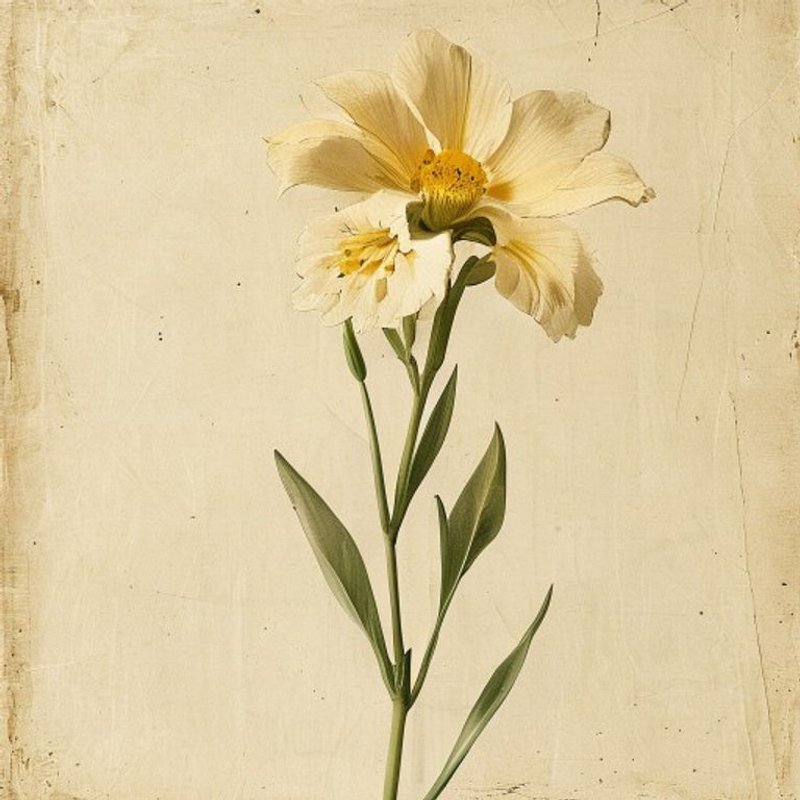
Pl. A3A4 — Hemerocallis fulva
Hemerocallis fulvaHemerocallis fulvaHemerocallis fulvaHemerocallis fulvaHemerocallis fulvaHemerocallis fulvaHemerocallis fulvaHemerocallis fulvaHemerocallis fulvaHemerocallis fulvaHemerocallis fulvaHemerocallis fulvaHemerocallis fulvaHemerocallis fulva
IOverview
Overview
The Common Day Lily (Hemerocallis fulva) is a perennial forb/herb native to regions of China and East Asia, including North-Central, South-Central, and Southeastern parts of the country, as well as Japan, Korea, Nansei-shoto, and Taiwan. This plant is known for its edible flowers, leaves, roots, and shoots, making it a valuable addition to gardens and landscapes. It thrives in light (sandy), medium, and heavy (clay) soils with a pH range of 4.8–8, preferring dry or moist conditions. Common Day Lily can be propagated through division and grows to a height of 1 meter with a width of 0.6 meters, making it an attractive ornamental plant in gardens. Its light requirements are moderate, and it is hardy across USDA zones 3-10. One distinctive feature is its bright orange flowers that bloom for only one day, hence the name "day lily."
Quick answers
What is Common Day Lily?
The Common Day Lily (Hemerocallis fulva) is a perennial forb/herb native to regions of China and East Asia, including North-Central, South-Central, and Southeastern parts of the country, as well as Japan, Korea, Nansei-shoto, and Taiwan.
Growingconditions · propagation · uses
VCultivation
Cultivation
Common Day Lily (Hemerocallis fulva) thrives in light to medium soil and prefers a pH range of 4.8 to 8. It is hardy in temperate regions across zones 3-10, making it adaptable to various climates. This perennial requires moist but well-drained conditions; avoid overly dry or heavy clay soils. Full sun to partial shade suits its needs best. For propagation, division is the recommended method. Space plants about 30cm apart for optimal growth. Enjoy its edible flowers, leaves, roots, and shoots.
Light
8/10
Water
Dry, Moist
Soil
Light (sandy), Medium, Heavy (clay)
Hardiness
3-10
Life cycle
Perennial
Habit
Forb/herb
Mature size
1.0 m × 0.6 m
Soil pH
4.8–8
- Propagation
- Division
- Spacing
- 30cm
For first-time growers
How to grow Common Day Lily for the first time
8steps
Start with Common Day Lilies to add vibrant color and easy care to your garden.
- 1
What you'll need
Divisions, a trowel, mulch, and water.
- 2
Best time to plant
Plant in early spring or late fall for best results.
- 3
Soil and container prep
Ensure the soil is well-draining with a pH between 4.8-8; loosen the topsoil and mix in compost.
- 4
Sowing or transplanting
Plant divisions about 30cm apart, at the same depth as they were previously growing.
- 5
First two weeks
Water regularly to keep soil moist but not waterlogged; mulch around plants to retain moisture.
- 6
Ongoing care
Divide every 3-5 years, fertilize in early spring with a balanced fertilizer, and deadhead spent blooms.
- 7
Harvest or pruning
Prune back foliage after flowering to maintain plant health; remove any yellowing leaves throughout the growing season.
- 8
Common mistakes
Overwatering, planting too deep, neglecting division, using high-nitrogen fertilizers, and not providing enough sunlight.
VIEdible & utility
Edible & utility
Edible parts:FlowersLeavesRootShoots
Edible uses: The Common Day Lily (Hemerocallis fulva) is edible and can be consumed in various forms. Its flowers, leaves, roots, and shoots are all usable parts. The flowers are often eaten raw or used to make tea. Leaves and roots can be cooked or dried for later use. Shoots are typically prepared by boiling before consumption.
Other uses:Weaving materialGround cover
Contextrange · companions · related
VIIDistribution
7 native · 23 introduced
Distribution
7 native · 23 introducedDistribution across3 continents· 7 native· 23 introduced
Europe1 region
introduced (1)Russia
Asia5 regions
native (4)ChinaJapanSouth KoreaTaiwan
introduced (1)India
Americas4 regions
introduced (4)Dominican RepublicHaitiHondurasJamaica
Broader regions
native:Nansei-shoto
introduced:Connecticut, Colorado, East Himalaya, Florida, District of Columbia, Iowa, Kansas, Kentucky, Kirgizstan, Leeward Is., Louisiana, Maine, Maryland, Massachusetts, Mexico Central, Mexico Northeast, Indiana
IXSpecimen gallery
1 image
Specimen gallery
1 imageXI
Explore further
Companion planting
Growing zone
XII
About this entry
- Last updated
- Citation
- How to cite this entry · Submit a correction
Back to the cataloguePlant id · a3a4ff69-2e13-4c43-b3a0-586f3fec5ad5
Decision aid
Choosing between Common Day Lily and something else?
Continue reading
❦❦❦❦
Endpaper · archive updates
Get archive updates
Occasional email when substantial new content lands — plant profiles, seasonal growing notes, folk-remedy additions. Free, no tracking, unsubscribe anytime.