
Alum Root
Heuchera cylindrica
Educational content — not medical, botanical, or professional advice. Plant identification, safety, and edibility depend on local conditions, cultivars, and correct identification. Consult a qualified botanist or forager before consuming or handling wild specimens. How we source & review →
Garden journal pausedUse profile notes below
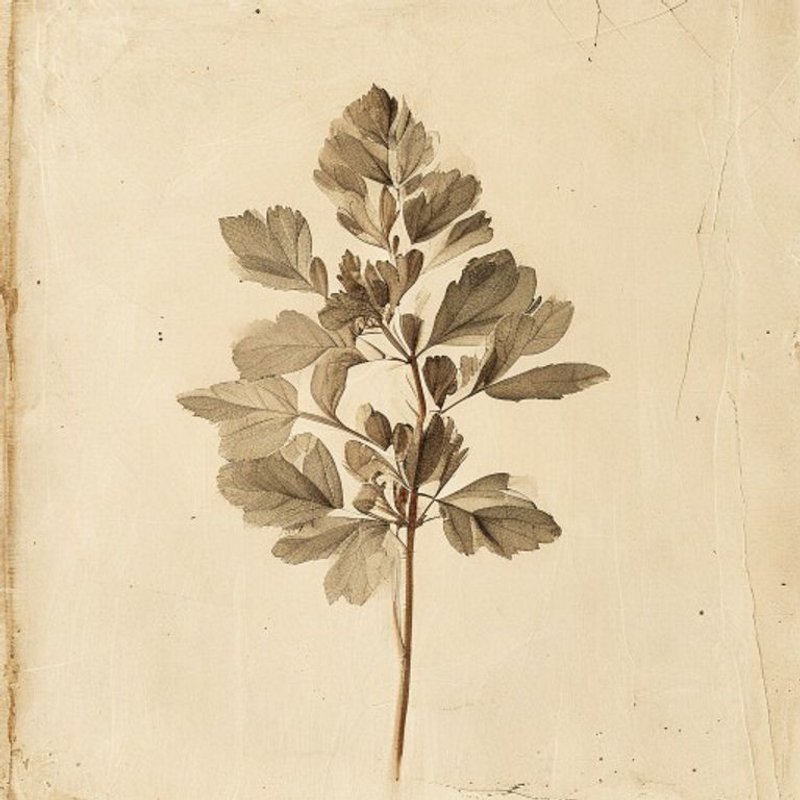
Pl. E0F7 — Heuchera cylindrica
Heuchera cylindricaHeuchera cylindricaHeuchera cylindricaHeuchera cylindricaHeuchera cylindricaHeuchera cylindricaHeuchera cylindricaHeuchera cylindricaHeuchera cylindricaHeuchera cylindricaHeuchera cylindricaHeuchera cylindricaHeuchera cylindricaHeuchera cylindrica
IOverview
Overview
Alum Root (Heuchera cylindrica) is a perennial herb in the Saxifragaceae family, the saxifrages, and grows as a single-crowned forb that forms a low clump reaching about half a meter in height. It is native to western North America, occurring across Alberta, British Columbia, California, Idaho, Montana, Nevada, Oregon, Washington, and Wyoming. Across that range it favors moist sites in full sun to partial shade, growing in light sandy to medium soils and tolerating a neutral to slightly alkaline pH of roughly 7 to 8. Because it is not drought resistant, it depends on consistent moisture and is best suited to gardens that can supply reliable water, particularly within hardiness zones 4 to 8. It is a rapid grower with medium-textured foliage, and its compact, low habit suits use as a ground cover in borders and open plantings. The leaves are edible and can be eaten raw or cooked; they are mild in flavor and are sometimes added to salads for texture. The plant is also noted as a mordant, a substance used to help dyes bind to fabric. Seed can be sown or established crowns divided to increase plantings. Consistently dry, exposed sites are a poor match, and moisture-retentive but free-draining ground gives the best results.
Quick answers
What is Alum Root?
Alum Root (Heuchera cylindrica) is a perennial herb in the Saxifragaceae family, the saxifrages, and grows as a single-crowned forb that forms a low clump reaching about half a meter in height.
Growingconditions · propagation · uses
VCultivation
Cultivation
Alum Root thrives in partial sun to full sun and prefers moist, well-drained soil that is light (sandy) to medium in texture. It is hardy in zones 4-8 and is a perennial that grows to about 0.5 meters tall. For best results, maintain a soil pH between 7 and 8. Propagate through division or seed sowing. The edible parts are the leaves, which can be harvested for culinary use.
Light
Full sun, Partial sun/shade
Water
Moist
Soil
Light (sandy), Medium
Hardiness
4-8
Life cycle
Perennial
Habit
Forb/herb
Mature size
0.5 m tall
Soil pH
7–8
For first-time growers
How to grow Alum Root for the first time
8steps
Start with Alum Root as a simple, low-maintenance perennial for your garden.
- 1
What you'll need
Alum Root plants or seeds, potting soil if container planting, and a trowel.
- 2
Best time to plant
Plant in spring after the last frost or fall before the first freeze.
- 3
Soil and container prep
Use well-draining soil with a pH of 7-8. Ensure containers have drainage holes.
- 4
Sowing or transplanting
Transplant young plants from nursery pots directly into the garden or start seeds indoors in spring.
- 5
First two weeks
Water regularly to keep soil moist but not waterlogged. Avoid direct sunlight for a week.
- 6
Ongoing care
Provide partial sun and regular watering, especially during dry spells. Deadhead spent flowers to encourage more blooms.
- 7
Harvest or pruning
Prune dead leaves and stems in late winter to maintain plant health and appearance.
- 8
Common mistakes
Overwatering, planting in full sun, using incorrect soil pH.
VIEdible & utility
Edible & utility
Edible parts:Leaves
Edible uses: The leaves of Alum Root (Heuchera cylindrica) are edible and can be eaten raw or cooked. They are often used in salads for their mild flavor and texture. Skip
Other uses:MordantGround cover
Contextrange · companions · related
VIIDistribution
9 native · 0 introduced
Distribution
9 native · 0 introducedDistribution across0 continents· 9 native
Broader regions
native:Alberta, British Columbia, California, Idaho, Montana, Nevada, Oregon, Washington, Wyoming
IXSpecimen gallery
1 image
Specimen gallery
1 imageXI
Explore further
Companion planting
Growing zone
Native to
XII
About this entry
- Last updated
- Citation
- How to cite this entry · Submit a correction
Back to the cataloguePlant id · e0f7cd7e-e98e-41f1-80a1-f618c2db8c3d
Decision aid
Choosing between Alum Root and something else?
Continue reading
❦❦❦❦
Endpaper · archive updates
Get archive updates
Occasional email when substantial new content lands — plant profiles, seasonal growing notes, folk-remedy additions. Free, no tracking, unsubscribe anytime.
Newsletter returning soon.
We are rebuilding the update list around a lightweight editorial workflow. New dispatches will resume after the next content review cycle.