
Japanese raisin tree
Hovenia dulcis
Educational content — not medical, botanical, or professional advice. Plant identification, safety, and edibility depend on local conditions, cultivars, and correct identification. Consult a qualified botanist or forager before consuming or handling wild specimens. How we source & review →
Garden journal pausedUse profile notes below
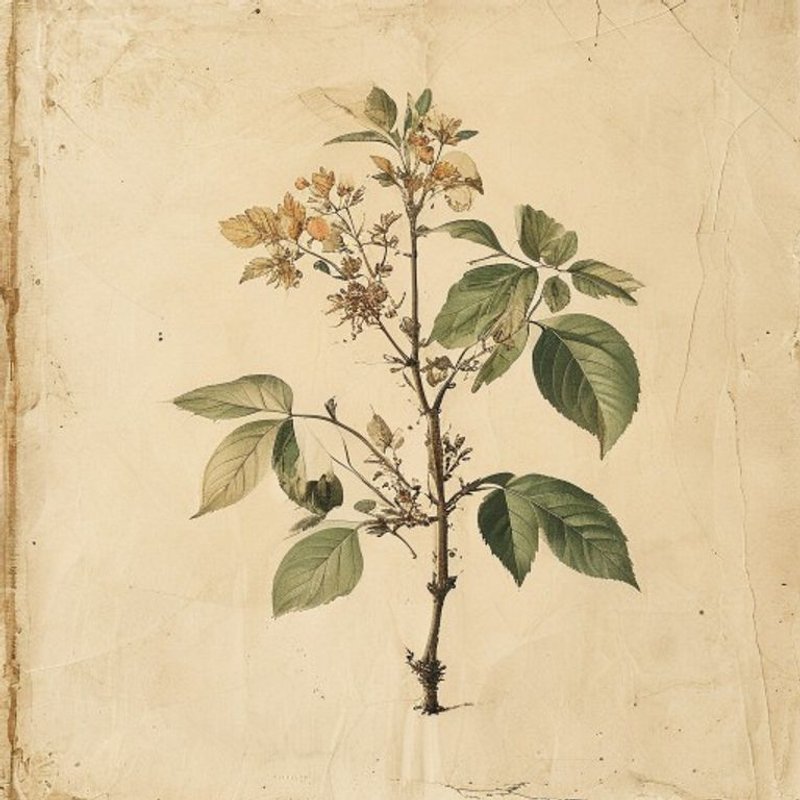
Pl. 2908 — Hovenia dulcis
Hovenia dulcisHovenia dulcisHovenia dulcisHovenia dulcisHovenia dulcisHovenia dulcisHovenia dulcisHovenia dulcisHovenia dulcisHovenia dulcisHovenia dulcisHovenia dulcisHovenia dulcisHovenia dulcis
IOverview
Overview
The Japanese raisin tree, Hovenia dulcis, is a perennial tree or shrub native to the mountainous regions of East Asia and the Himalayas, including areas such as Assam, Bangladesh, China, India, Japan, Korea, Thailand, and Vietnam. This plant is known for its edible fruit, which is often consumed fresh or dried, providing a sweet and nutritious snack. The distinctive feature of Hovenia dulcis is its unique, hairy seed pods that resemble raisins, from which the tree gets its common name. The plant thrives in full sun and prefers moist, light to medium soil, including both sandy and medium textures. It is hardy in zones 5-9, making it suitable for temperate regions. The Japanese raisin tree can grow up to 10 meters tall and has a shrub-like habit. Cultivators should be aware that the plant's fruit is edible and can be used for propagation.
Quick answers
What is Japanese raisin tree?
The Japanese raisin tree, Hovenia dulcis, is a perennial tree or shrub native to the mountainous regions of East Asia and the Himalayas, including areas such as Assam, Bangladesh, China, India, Japan, Korea, Thailand, and Vietnam.
Growingconditions · propagation · uses
VCultivation
Cultivation
The Japanese raisin tree is a perennial plant that thrives in full sun and moist conditions. It prefers light to medium soil, tolerating both sandy and medium textures. Hardiness ranges from 5-9, indicating it's hardy in temperate regions. This evergreen tree can grow up to 10 meters tall and has a shrub-like habit. To propagate the plant, one would typically use its edible fruit, as it is an edible species. The gardener should be aware of this unique aspect when cultivating the Japanese raisin tree.
Light
Full sun
Water
Moist
Soil
Light (sandy), Medium
Hardiness
5-9
Life cycle
Perennial
Habit
Tree, Shrub
Mature size
10.0 m tall
VIEdible & utility
Edible & utility
Edible parts:Fruit
Edible uses: Sweetener
Other uses:LumberFragrance
Contextrange · companions · related
VIIDistribution
12 native · 9 introduced
Distribution
12 native · 9 introducedDistribution across2 continents· 12 native· 9 introduced
Asia7 regions
native (7)BangladeshChinaIndiaJapanSouth KoreaThailandVietnam
Americas3 regions
introduced (3)HondurasParaguayPeru
Broader regions
native:East Himalaya, West Himalaya
introduced:Argentina Northeast, Brazil Northeast, Brazil South, Brazil Southeast, North Carolina, Texas
IXSpecimen gallery
1 image
Specimen gallery
1 imageXI
Explore further
Companion planting
Growing zone
Native to
XII
About this entry
- Last updated
- Citation
- How to cite this entry · Submit a correction
Back to the cataloguePlant id · 29081767-2120-48ee-ac79-d66b6b34c154
Decision aid
Choosing between Japanese raisin tree and something else?
Continue reading
❦❦❦❦
Endpaper · archive updates
Get archive updates
Occasional email when substantial new content lands — plant profiles, seasonal growing notes, folk-remedy additions. Free, no tracking, unsubscribe anytime.
Newsletter returning soon.
We are rebuilding the update list around a lightweight editorial workflow. New dispatches will resume after the next content review cycle.