
Bluebell
Hyacinthoides nonscripta
Educational content — not medical, botanical, or professional advice. Plant identification, safety, and edibility depend on local conditions, cultivars, and correct identification. Consult a qualified botanist or forager before consuming or handling wild specimens. How we source & review →
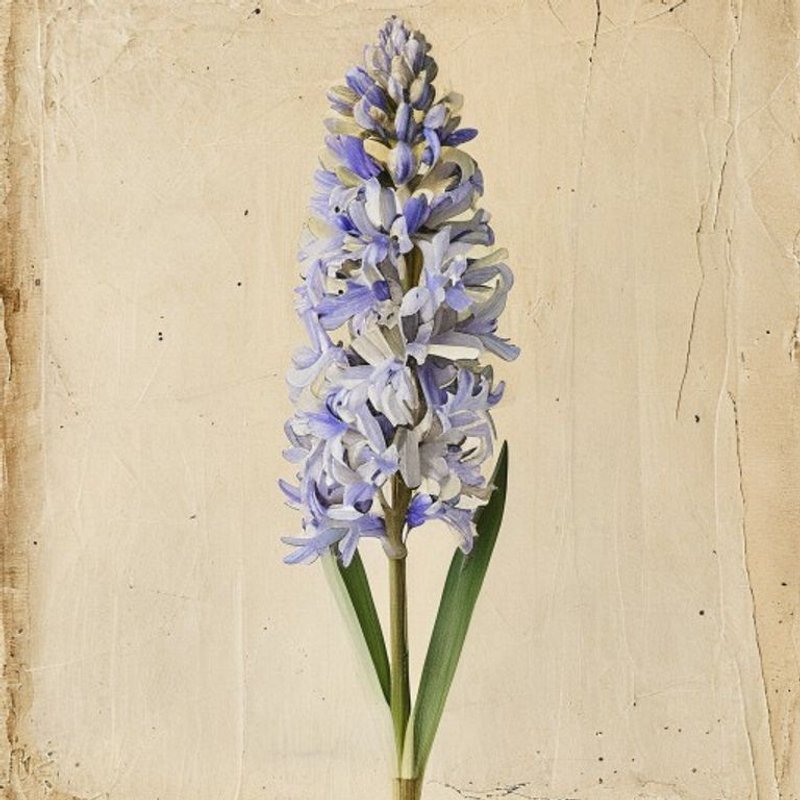
Pl. B653 — Hyacinthoides nonscripta
Hyacinthoides nonscriptaHyacinthoides nonscriptaHyacinthoides nonscriptaHyacinthoides nonscriptaHyacinthoides nonscriptaHyacinthoides nonscriptaHyacinthoides nonscriptaHyacinthoides nonscriptaHyacinthoides nonscriptaHyacinthoides nonscriptaHyacinthoides nonscriptaHyacinthoides nonscriptaHyacinthoides nonscriptaHyacinthoides nonscripta
IOverview
Overview
Bluebell (Hyacinthoides nonscripta) is a flowering bulbous plant native to the woodlands of Belgium, France, Great Britain, Ireland, Netherlands, Portugal, and Spain. It thrives in light, medium, or heavy soil with a preference for dry to moist conditions, particularly in pH ranges between 5 and 5.5. This hardy forb/herb reaches a height of about 0.3 meters and is known for its edible bulb, which can be consumed after proper preparation. Its distinctive feature includes clusters of bell-shaped, nodding flowers that range from pale to deep blue, adding ornamental value to gardens and natural landscapes alike.
Quick answers
What is Bluebell?
Bluebell (Hyacinthoides nonscripta) is a flowering bulbous plant native to the woodlands of Belgium, France, Great Britain, Ireland, Netherlands, Portugal, and Spain. It thrives in light, medium, or heavy soil with a preference for dry to moist conditions, particularly in pH ranges between 5 and 5.
Growingconditions · propagation · uses
VCultivation
Cultivation
Bluebell prefers partial shade and is hardy in temperate regions with zones 4-8. It thrives in well-drained soils that are light (sandy), medium, or heavy (clay) but with a pH of 5–5.5. Keep the soil moist to dry, as overly wet conditions can be detrimental. Propagate by dividing the bulbs in spring or fall for best results. The plant is edible and its bulb can be harvested for culinary use.
Light
4/10
Water
Dry, Moist
Soil
Light (sandy), Medium, Heavy (clay)
Hardiness
4-8
Habit
Forb/herb
Mature size
0.3 m tall
Soil pH
5–5.5
Seasonal calendar
Northern hemisphere · UTC month is September
winterspringsummerautumnwinter
BloomJFMAMJJASOND
For first-time growers
How to grow Bluebell for the first time
8steps
Start with planting Bluebells in a beginner-friendly garden to enjoy their natural beauty and easy care.
- 1
What you'll need
Bluebell bulbs, well-draining soil, a trowel.
- 2
Best time to plant
Plant in autumn, around September or October.
- 3
Soil and container prep
Choose a spot with partial shade. Ensure the soil is light (sandy), medium, or heavy but well-draining, with a pH of 5–5.5.
- 4
Sowing or transplanting
Plant bulbs about 10 cm deep and 15 cm apart in the prepared soil.
- 5
First two weeks
Water sparingly to keep the soil moist but not waterlogged. Avoid overwatering.
- 6
Ongoing care
Mulch around the bulbs with organic material after planting for better moisture retention and weed control.
- 7
Harvest or pruning
No need to harvest; simply allow the foliage to die back naturally after flowering.
- 8
Common mistakes
Overwatering, planting in full sun, using heavy mulch that can smother young plants.
VIEdible & utility
Edible & utility
Edible parts:Bulb
Edible uses: The bluebell's bulb is edible and can be consumed raw or cooked. Typically, the bulbs are harvested in the fall and prepared by boiling or roasting to enhance their mild flavor. Skip the detailed recipe; focus on these basic preparation methods.
Contextrange · companions · related
VIIDistribution
7 native · 15 introduced
Distribution
7 native · 15 introducedDistribution across1 continent· 7 native· 15 introduced
Europe11 regions
native (7)BelgiumFranceIrelandNetherlandsPortugalSpainUnited Kingdom
introduced (4)AustriaGermanyItalyRomania
Broader regions
introduced:British Columbia, Falkland Is., Indiana, Kentucky, New York, New Zealand North, New Zealand South, Ohio, Pennsylvania, Virginia, Washington
IXSpecimen gallery
1 image
Specimen gallery
1 imageXI
Explore further
Companion planting
Growing zone
XII
About this entry
- Last updated
- Citation
- How to cite this entry · Submit a correction
Back to the cataloguePlant id · b6539475-c7db-4b72-8568-fcfcbfe99453
Decision aid
Choosing between Bluebell and something else?
Continue reading
❦❦❦❦
Endpaper · archive updates
Get archive updates
Occasional email when substantial new content lands — plant profiles, seasonal growing notes, folk-remedy additions. Free, no tracking, unsubscribe anytime.