
Pennywort
IOverview
Overview
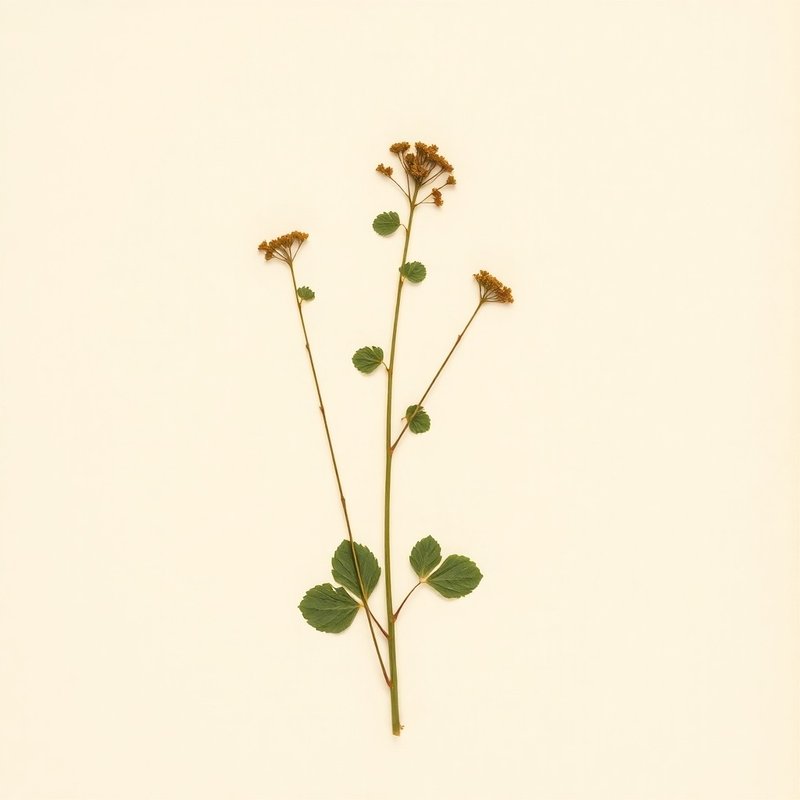
Pennywort (Hydrocotyle vulgaris) is a perennial herb that thrives in moist to wet conditions, making it well-suited for gardens and natural areas across Europe, from Albania to Sweden, and as far east as Poland and Belarus. Native to regions including Albania, Austria, Belgium, Denmark, France, Germany, Greece, Hungary, Iceland, Ireland, Italy, Morocco, Norway, Palestine, Portugal, Spain, Switzerland, and Yugoslavia, this plant has also been introduced into Algeria due to its adaptability. Pennywort is an attractive addition to moist gardens or as a ground cover. Its distinctive features include small, rounded leaves that grow close to the ground in a light, airy form. The plant prefers well-drained soils with a pH between 5.5 and 6.5 and can tolerate various soil types from sandy to clayey. It thrives in partial to full shade and requires regular watering to maintain its moist requirements. The edible leaves of pennywort are often used fresh in salads or cooked as a green vegetable, typically prepared by steaming or sautéing to enhance their mild flavor. This plant is known for its culinary applications but does not have recognized medicinal uses according to current botanical knowledge. As a perennial, it will return year after year once established and can be propagated through division or cuttings. While pennywort is generally safe when used in culinary contexts, caution should be exercised if considering any other use, as the plant's potential effects are not well-documented in medical literature.
What is Pennywort?
Pennywort (Hydrocotyle vulgaris) is a perennial herb that thrives in moist to wet conditions, making it well-suited for gardens and natural areas across Europe, from Albania to Sweden, and as far east as Poland and Belarus.
VCultivation
Cultivation
How to grow Pennywort for the first time
Start with easy-to-grow pennywort for a beginner-friendly gardening experience.
- 1
What you'll need
Pennywort seeds or small plants, potting soil, containers, and water.
- 2
Best time to plant
Plant pennywort in spring when the weather starts warming up.
- 3
Soil and container prep
Use a well-draining potting mix with a pH between 5.5 and 6.5, and containers that are at least 10 cm deep.
- 4
Sowing or transplanting
Direct sow seeds in the soil surface or transplant small plants into your prepared container.
- 5
First two weeks
Keep the soil consistently moist and place the container in a partially shaded area to protect from direct sunlight.
- 6
Ongoing care
Water regularly, ensuring the soil stays moist but not waterlogged. Provide partial shade and fertilize with a balanced liquid fertilizer every few weeks.
- 7
Harvest or pruning
Prune pennywort to maintain its shape and encourage new growth by cutting back any leggy stems.
- 8
Common mistakes
Overwatering, planting in full sun, using incorrect soil pH, neglecting regular fertilization, and not providing enough shade.
VIEdible & utility
Edible & utility
VIIDistribution
28 native · 3 introduced
Distribution
28 native · 3 introducedIXSpecimen gallery
1 image
Specimen gallery
1 imageExplore further
About this entry
- Last updated
- Citation
- How to cite this entry · Submit a correction
Continue reading
Get archive updates
Occasional email when substantial new content lands — plant profiles, seasonal growing notes, folk-remedy additions. Free, no tracking, unsubscribe anytime.