
John's Cabbage
Hydrophyllum canadense
Educational content — not medical, botanical, or professional advice. Plant identification, safety, and edibility depend on local conditions, cultivars, and correct identification. Consult a qualified botanist or forager before consuming or handling wild specimens. How we source & review →
Garden journal pausedUse profile notes below
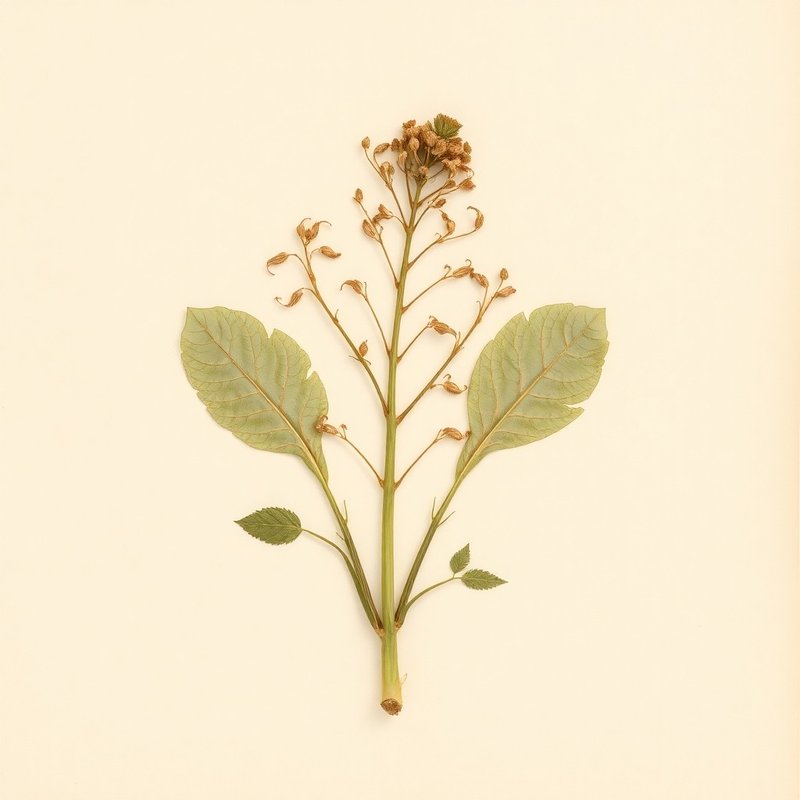
Pl. 7BD5 — Hydrophyllum canadense
Hydrophyllum canadenseHydrophyllum canadenseHydrophyllum canadenseHydrophyllum canadenseHydrophyllum canadenseHydrophyllum canadenseHydrophyllum canadenseHydrophyllum canadenseHydrophyllum canadenseHydrophyllum canadenseHydrophyllum canadenseHydrophyllum canadenseHydrophyllum canadenseHydrophyllum canadense
IOverview
Overview
John's Cabbage (Hydrophyllum canadense) is a perennial forb native to the eastern United States and southeastern Canada, thriving in moist environments with partial sun to shade. This plant is found in a wide range of habitats, including Alabama, Georgia, Illinois, Indiana, Iowa, Kentucky, Maryland, Massachusetts, Michigan, Missouri, New Jersey, New York, North Carolina, Ohio, Ontario, Pennsylvania, Québec, South Carolina, Tennessee, Vermont, Virginia, West Virginia, and Wisconsin. It is adaptable to various soil types, including light (sandy), medium, and heavy (clay) soils, making it a versatile addition to gardens and natural settings. The leaves and roots of John's Cabbage are edible. The leaves can be used fresh in salads or cooked as a vegetable, while the roots can be consumed after digging and cleaning, typically prepared by boiling or roasting. This plant is particularly useful for those seeking edible landscaping or foragers looking for a hardy, versatile food source. John's Cabbage grows to a height of about 0.3 meters and is hardy in USDA zones 4-8. Its ability to thrive in diverse soil and light conditions makes it an excellent choice for gardeners and landscapers in its native range. While primarily known for its edible use, John's Cabbage also serves as an ornamental plant, adding greenery and texture to gardens and natural landscapes.
Quick answers
What is John's Cabbage?
John's Cabbage (Hydrophyllum canadense) is a perennial forb native to the eastern United States and southeastern Canada, thriving in moist environments with partial sun to shade.
Growingconditions · propagation · uses
VCultivation
Cultivation
John's Cabbage, or Hydrophyllum canadense, thrives in partial sun to shade and requires moist soil that can be light (sandy), medium, or heavy (clay). It is hardy in zones 4-8 and grows as a perennial, reaching a height of 0.3 meters. For best results, plant in a location with good drainage and regular watering. Propagate via division or seed. Harvest the leaves and roots for culinary use.
Light
Partial sun/shade
Water
Moist
Soil
Light (sandy), Medium, Heavy (clay)
Hardiness
4-8
Life cycle
Perennial
Habit
Forb/herb
Mature size
0.3 m tall
For first-time growers
How to grow John's Cabbage for the first time
8steps
Start with John's Cabbage to learn about growing perennials in partial shade and moist conditions.
- 1
What you'll need
Seeds or young plants, a garden fork, compost.
- 2
Best time to plant
Plant in spring after the last frost or in early fall.
- 3
Soil and container prep
Choose a spot with partial shade. Amend soil with compost for good drainage.
- 4
Sowing or transplanting
Direct sow seeds 0.5 cm deep, or plant young seedlings 30-45 cm apart.
- 5
First two weeks
Keep the soil consistently moist and mulch to retain moisture.
- 6
Ongoing care
Water regularly, especially during dry spells. Remove any weeds that compete for nutrients.
- 7
Harvest or pruning
Prune dead leaves to encourage new growth and maintain plant health.
- 8
Common mistakes
Overwatering, planting in full sun, neglecting to mulch.
VIEdible & utility
Edible & utility
Edible parts:LeavesRoot
Edible uses: The leaves and roots of John's Cabbage can be eaten. The leaves are often used fresh in salads or cooked as a vegetable. Roots can also be consumed after digging and cleaning, typically prepared by boiling or roasting.
Contextrange · companions · related
VIIDistribution
24 native · 0 introduced
Distribution
24 native · 0 introducedDistribution across1 continent· 24 native
Asia1 region
native (1)Georgia
Broader regions
native:Alabama, Illinois, Indiana, Iowa, Kentucky, Maryland, Masachusettes, Massachusetts, Michigan, Missouri, New Jersey, New York, North Carolina, Ohio, Ontario, Pennsylvania, Québec, South Carolina, Tennessee, Vermont, Virginia, West Virginia, Wisconsin
IXSpecimen gallery
1 image
Specimen gallery
1 imageXI
Explore further
Companion planting
Growing zone
XII
About this entry
- Last updated
- Citation
- How to cite this entry · Submit a correction
Back to the cataloguePlant id · 7bd5f61b-2fa2-4fb2-bae4-9eaf532941c5
Decision aid
Choosing between John's Cabbage and something else?
Continue reading
❦❦❦❦
Endpaper · archive updates
Get archive updates
Occasional email when substantial new content lands — plant profiles, seasonal growing notes, folk-remedy additions. Free, no tracking, unsubscribe anytime.
Newsletter returning soon.
We are rebuilding the update list around a lightweight editorial workflow. New dispatches will resume after the next content review cycle.