
Yellow Pitaya
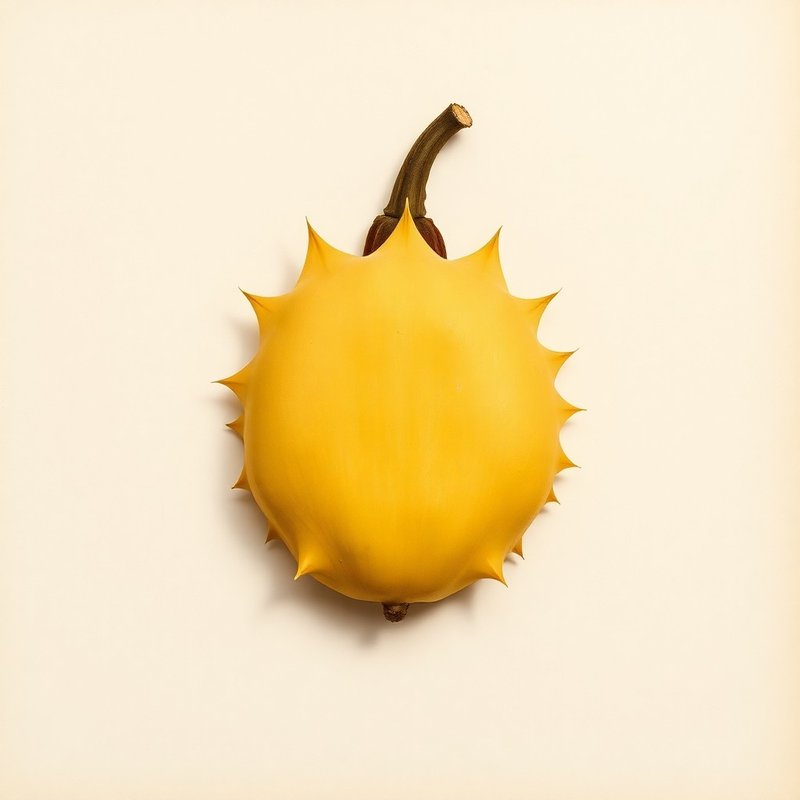
IOverview
Overview
Yellow Pitaya, scientifically known as Hylocereus megalanthus, is a climbing cactus native to Colombia, Ecuador, and Peru. This plant thrives in full sun and can tolerate both dry and moist conditions, making it adaptable to various soil types, including light (sandy), medium, and heavy (clay). It is hardy in zones 10-12 and grows up to 2 meters tall. Known for its edible fruit, Yellow Pitaya is a popular choice among gardeners for its ornamental value as well. The plant is native to Colombia, Ecuador, and Peru, and has been introduced into Bolivia, adding to its range of cultivation. The distinctive feature of this plant is its large, showy flowers that precede the fruit, adding beauty to any landscape. The fruit can be consumed raw, either whole or sliced, and is also used in various dishes where it adds a sweet, juicy flavor. It can also be dried or made into jams and preserves. Yellow Pitaya is a valuable addition to hedgerows and other landscaping projects due to its ornamental and edible qualities. While the fruit is safe to consume, it is important to handle the plant with care due to its spines.
What is Yellow Pitaya?
Yellow Pitaya, scientifically known as Hylocereus megalanthus, is a climbing cactus native to Colombia, Ecuador, and Peru. This plant thrives in full sun and can tolerate both dry and moist conditions, making it adaptable to various soil types, including light (sandy), medium, and heavy (clay).
VCultivation
Cultivation
How to grow Yellow Pitaya for the first time
Start with a simple, sunny spot and basic care for your Yellow Pitaya.
- 1
What you'll need
A healthy young plant or cutting, potting mix suitable for cacti and succulents, and a large container.
- 2
Best time to plant
Plant in late spring or early summer when temperatures are warm.
- 3
Soil and container prep
Use well-draining soil and ensure the pot has drainage holes. A 15-20 cm diameter pot is ideal for a young plant.
- 4
Sowing or transplanting
Transplant carefully, avoiding damage to roots. Water lightly after planting.
- 5
First two weeks
Keep the soil slightly moist but not waterlogged. Place in bright light but avoid direct midday sun.
- 6
Ongoing care
Water when the top inch of soil feels dry, especially during active growth. Provide support for vines to climb.
- 7
Harvest or pruning
Prune lightly to shape and remove dead or weak stems. Harvest fruit when they are plump and slightly soft.
VIEdible & utility
Edible & utility
VIIDistribution
3 native · 1 introduced
Distribution
3 native · 1 introducedIXSpecimen gallery
1 image
Specimen gallery
1 imageExplore further
About this entry
- Last updated
- Citation
- How to cite this entry · Submit a correction
Continue reading
Get archive updates
Occasional email when substantial new content lands — plant profiles, seasonal growing notes, folk-remedy additions. Free, no tracking, unsubscribe anytime.