
Skip to content
IIIFolio · plant profile№ FD2Cedible
Data provenancePermapeopleTreflePFAFreviewed 14 Oct 2026methodology → read

Smooth Cat's Ear

Hypochoeris glabra
Educational content — not medical, botanical, or professional advice. Plant identification, safety, and edibility depend on local conditions, cultivars, and correct identification. Consult a qualified botanist or forager before consuming or handling wild specimens. How we source & review →
edibleannual, perennialedibleedible leafherbperennial
Updated·Quick Q&A →
Garden journal pausedUse profile notes below
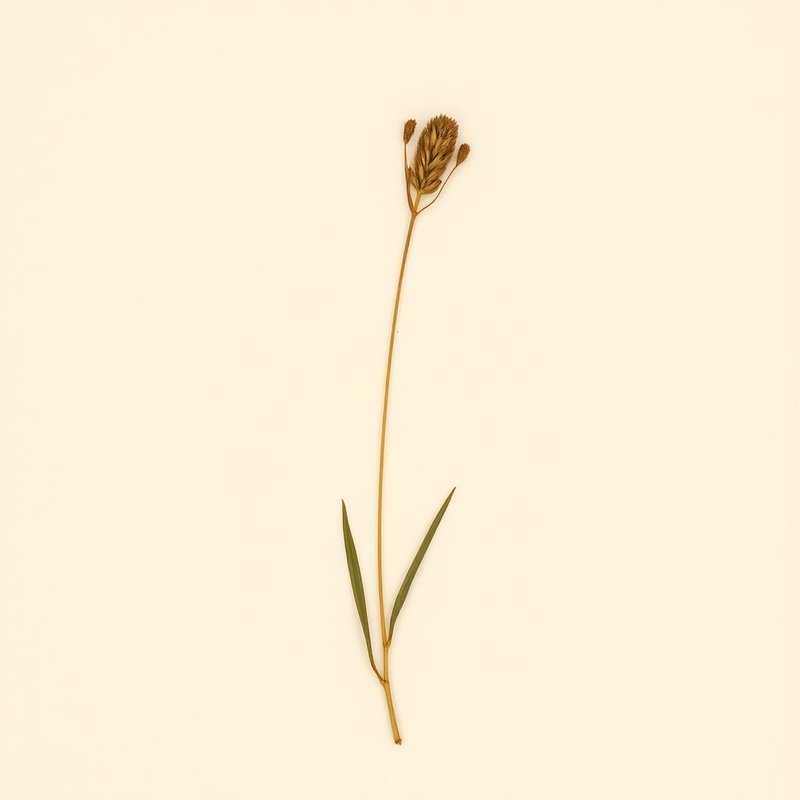
Hypochoeris glabra (Smooth Cat's Ear) — botanical photograph
Pl. FD2C — Hypochoeris glabra
Hypochoeris glabraHypochoeris glabraHypochoeris glabraHypochoeris glabraHypochoeris glabraHypochoeris glabraHypochoeris glabraHypochoeris glabraHypochoeris glabraHypochoeris glabraHypochoeris glabraHypochoeris glabraHypochoeris glabraHypochoeris glabra
I

Overview

Smooth Cat's Ear, scientifically known as Hypochoeris glabra, is a low-growing forb or herb that thrives in full sun and a variety of soil types, from light sandy to medium conditions. Native to regions including Albania, Algeria, Austria, Belgium, and Bulgaria, this plant is known for its edible leaves, which can be consumed raw or cooked and are often used in salads for their mild flavor. Smooth Cat's Ear is adaptable to both dry and moist environments, contributing to its widespread distribution across different climates. While it can grow as an annual or perennial, this plant is hardy in temperate regions, making it a versatile addition to gardens. For propagation, seeds can be sown directly in the garden where they are intended to grow.

Quick answers

What is Smooth Cat's Ear?

Smooth Cat's Ear, scientifically known as Hypochoeris glabra, is a low-growing forb or herb that thrives in full sun and a variety of soil types, from light sandy to medium conditions.

Growingconditions · propagation · uses
V

Cultivation

Smooth Cat's Ear thrives in full sun and prefers well-draining soil that is either light (sandy) or medium. It can grow in dry to moist conditions but generally needs less water once established. This plant is hardy in temperate regions and can be both an annual and a perennial, making it adaptable for various climates. For propagation, seeds can be sown directly in the garden where they are intended to grow. Harvest edible leaves throughout the growing season.
Light
Full sun
Water
Dry, Moist
Soil
Light (sandy), Medium
Life cycle
Annual, Perennial
Habit
Forb/herb
Mature size
0.3 m tall
For first-time growers

How to grow Smooth Cat's Ear for the first time

8steps

Smooth Cat's Ear is a forgiving plant for beginners, making it an excellent choice for your first gardening project.

  1. 1

    What you'll need

    Seeds or young plants, a small trowel, and a watering can.

  2. 2

    Best time to plant

    Plant in spring after the last frost or in fall before the first freeze.

  3. 3

    Soil and container prep

    Choose a well-draining soil with a pH between 6.0 and 7.5, and prepare containers at least 30 cm deep.

  4. 4

    Sowing or transplanting

    Direct sow seeds 1-2 cm deep in the garden bed or transplant young plants, spacing them about 30 cm apart.

  5. 5

    First two weeks

    Water regularly to keep the soil moist but not waterlogged. Avoid overwatering.

  6. 6

    Ongoing care

    Smooth Cat's Ear prefers dry conditions; water only when the top inch of soil is dry. Remove any weeds that compete for nutrients.

  7. 7

    Harvest or pruning

    Prune spent flowers to encourage new growth and prevent self-seeding.

  8. 8

    Common mistakes

    Overwatering, planting in poorly draining soil, and not providing enough sunlight are common pitfalls.

VI

Edible & utility

Edible parts:Leaves
Edible uses: The leaves of the Smooth Cat's Ear are edible and can be consumed raw or cooked. They are often used in salads for their mild flavor. Skip the preparation details to maintain brevity.
Contextrange · companions · related
VII

Distribution

42 native · 47 introduced
Distribution across4 continents· 42 native· 47 introduced
Europe22 regions
native (22)AlbaniaAustriaBelgiumBulgariaCyprusDenmarkFranceGermanyGreeceIrelandItalyNetherlandsNorwayPolandPortugalRomaniaRussiaSpainSwedenSwitzerlandUkraineUnited Kingdom
Asia7 regions
native (3)PalestineSaudi ArabiaTurkey
introduced (4)GeorgiaIndiaJapanTaiwan
Americas8 regions
introduced (8)ColombiaCosta RicaEcuadorGuatemalaJamaicaParaguayUnited StatesUruguay
Africa5 regions
native (4)AlgeriaLibyaMoroccoTunisia
introduced (1)Lesotho
Broader regions
native:Czechoslovakia, East Aegean Is., Kriti, Lebanon-Syria, Turkey-in-Europe, Yugoslavia
introduced:Alabama, Argentina Northeast, Arkansas, British Columbia, California, Cape Provinces, Chatham Is., Florida, Illinois, Juan Fernández Is., KwaZulu-Natal, Louisiana, Maine, Masachusettes, Mississippi, New South Wales, New York, New Zealand North, Norfolk Is., North Carolina, Northern Territory, Oregon, Pennsylvania, Queensland, South Australia, South Carolina, Tasmania, Tennessee, Texas, Tristan da Cunha, Victoria, Washington, West Virginia, Western Australia
IX

Specimen gallery

1 image
Hypochoeris glabra (Smooth Cat's Ear) — botanical photograph
Smooth Cat's Ear (Hypochoeris glabra)
XI

Explore further

XII

About this entry

Last updated
Citation
How to cite this entry · Submit a correction
Back to the cataloguePlant id · fd2c73c6-74ba-47e3-bd5b-94271b8931ed
Decision aid
Choosing between Smooth Cat's Ear and something else?
Compare with another plant

Continue reading

❦❦❦❦
Endpaper · archive updates

Get archive updates

Occasional email when substantial new content lands — plant profiles, seasonal growing notes, folk-remedy additions. Free, no tracking, unsubscribe anytime.

Newsletter returning soon.
We are rebuilding the update list around a lightweight editorial workflow. New dispatches will resume after the next content review cycle.
iCare notes