
Impatiens sulcata
IOverview
Overview
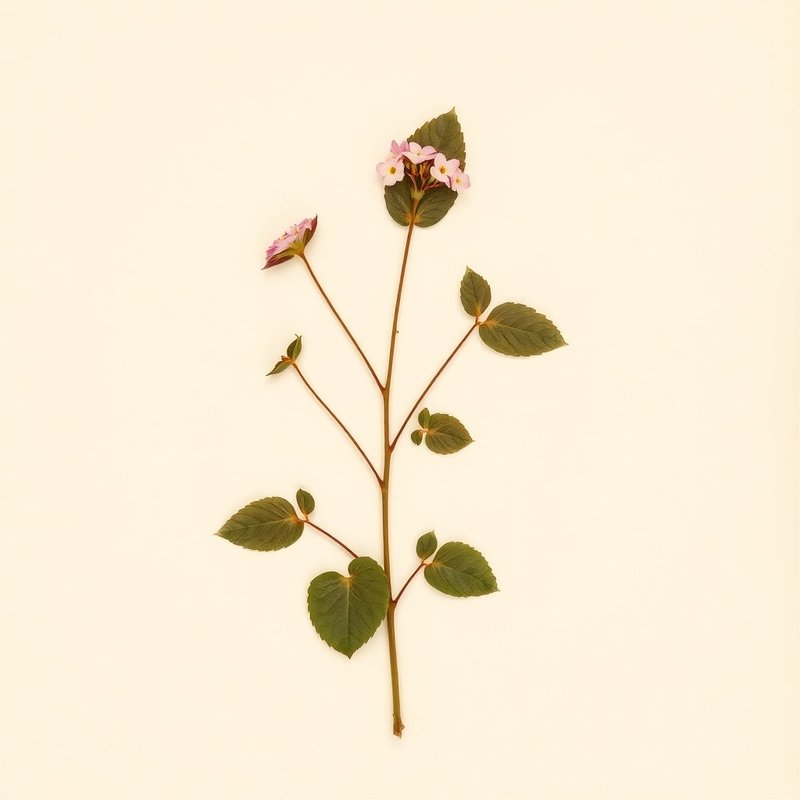
Impatiens sulcata, commonly known as the East Himalayan touch-me-not, is an annual herb native to the mountainous regions of East and West Himalaya, including Nepal, Pakistan, and Tibet. This plant thrives in moist environments with light to partial shade, making it suitable for gardens that mimic its natural habitat. Standing up to 1.5 meters tall, I. sulcata is known for both its ornamental value and its edible parts, which include the leaves and seeds. Its distinctive feature lies in its ability to grow well in a variety of soil types—light (sandy), medium, and heavy (clay)—and its requirement for ample moisture. This plant can be propagated through seeds and is particularly useful for gardens that need an annual with both aesthetic appeal and culinary potential. While primarily grown for its ornamental value and edible parts, I. sulcata's adaptability to different soil conditions makes it a versatile addition to any garden setting. However, it is important to note that while the plant is safe for consumption, no specific medicinal uses or dosages are recommended.
What is Impatiens sulcata?
Impatiens sulcata, commonly known as the East Himalayan touch-me-not, is an annual herb native to the mountainous regions of East and West Himalaya, including Nepal, Pakistan, and Tibet. This plant thrives in moist environments with light to partial shade, making it suitable for gardens that mimic its natural habitat.
VCultivation
Cultivation
How to grow Impatiens sulcata for the first time
Start with easy-to-grow Impatiens sulcata for a beginner-friendly gardening experience.
- 1
What you'll need
Seeds or seedlings, small pots or garden space, potting soil.
- 2
Best time to plant
Plant outdoors after the last frost in spring, or start seeds indoors about 6 weeks before planting.
- 3
Soil and container prep
Use well-draining soil with a mix of light (sandy), medium, or heavy clay. Ensure containers have drainage holes.
- 4
Sowing or transplanting
Direct sow seeds 1 cm deep in the garden or start indoors at 20-25°C and transplant seedlings after they have two true leaves.
- 5
First two weeks
Keep soil consistently moist. Provide partial shade to avoid scorching, especially if full sun is too intense.
- 6
Ongoing care
Water regularly, keeping the soil moist but not waterlogged. Fertilize every 4-6 weeks with a balanced liquid fertilizer.
- 7
Harvest or pruning
Prune spent flowers to encourage more blooms and maintain plant shape. Remove any yellowing leaves for better air circulation.
- 8
Common mistakes
Overwatering, planting in full sun without partial shade, neglecting regular fertilization, not pruning regularly.
VIEdible & utility
Edible & utility
VIIDistribution
5 native · 0 introduced
Distribution
5 native · 0 introducedIXSpecimen gallery
1 image
Specimen gallery
1 imageXSee also
6 related
See also
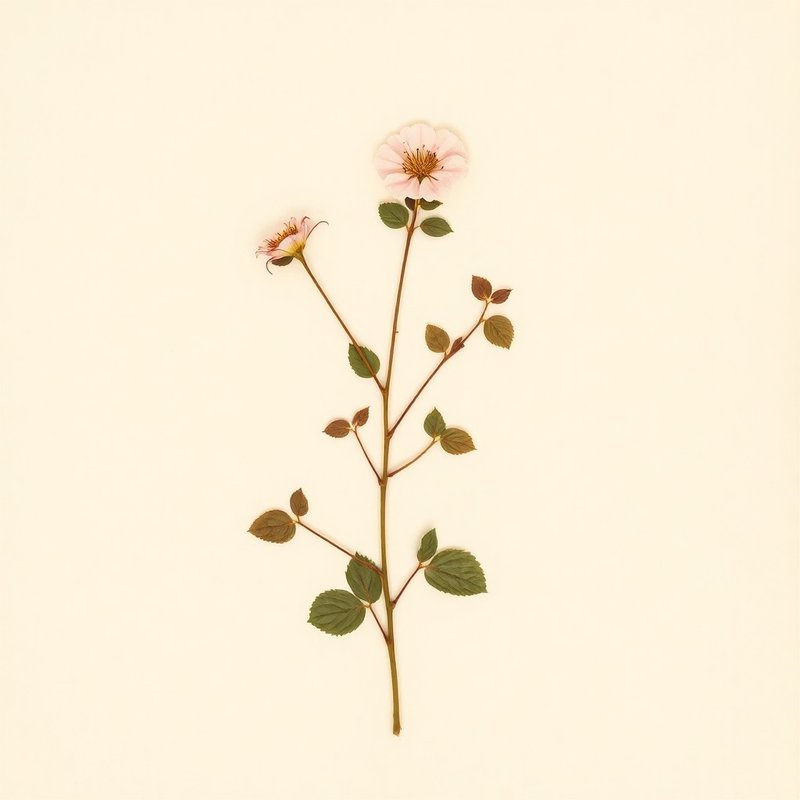
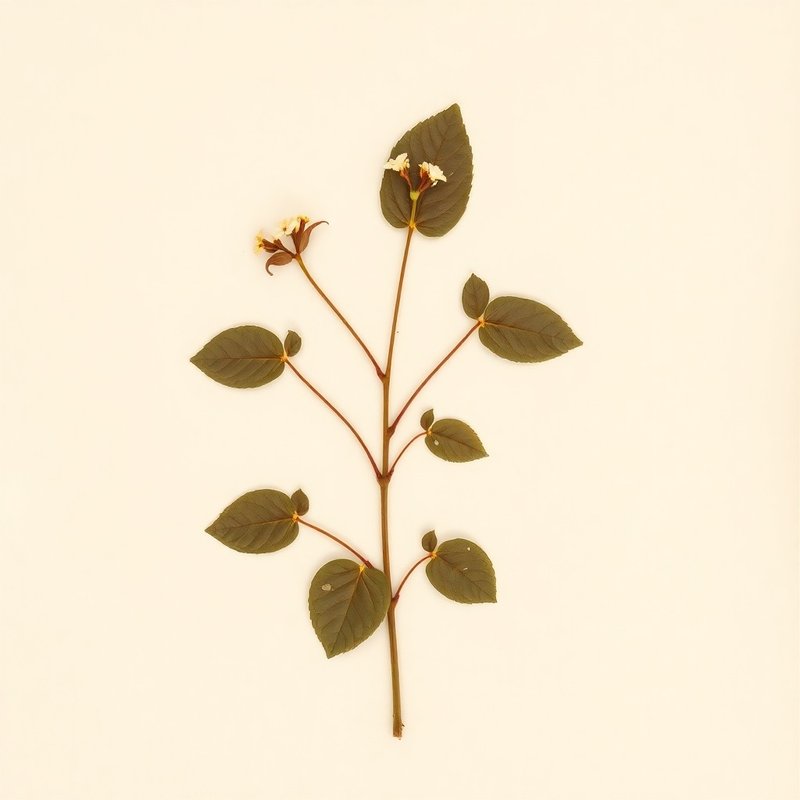
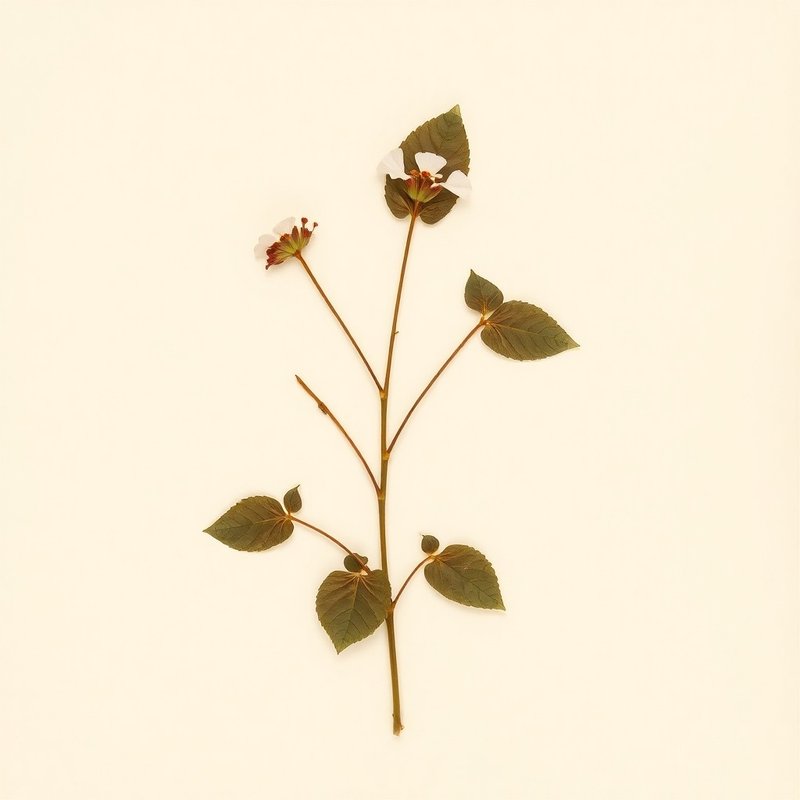
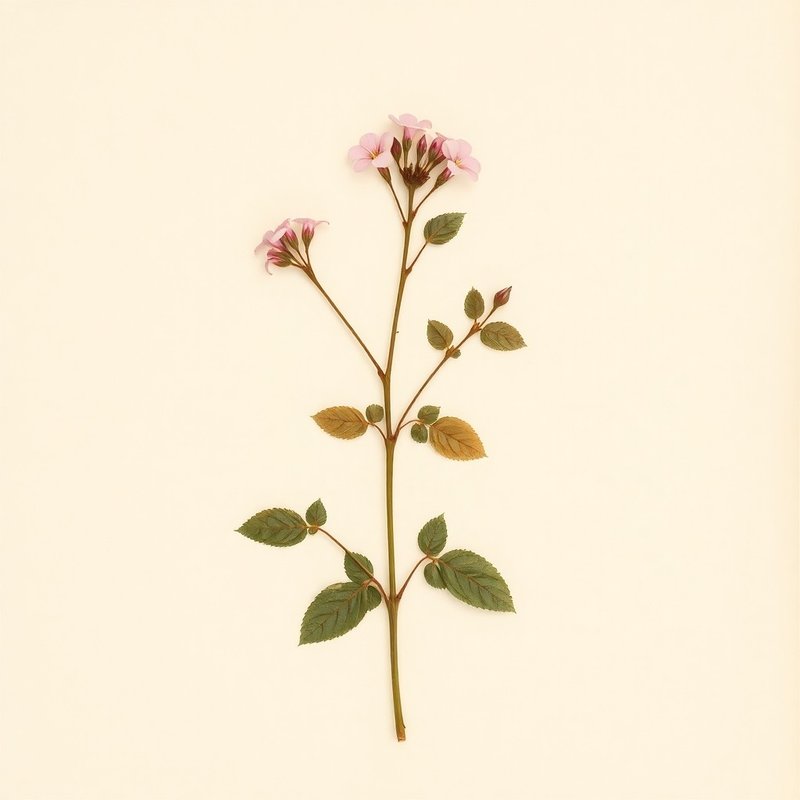
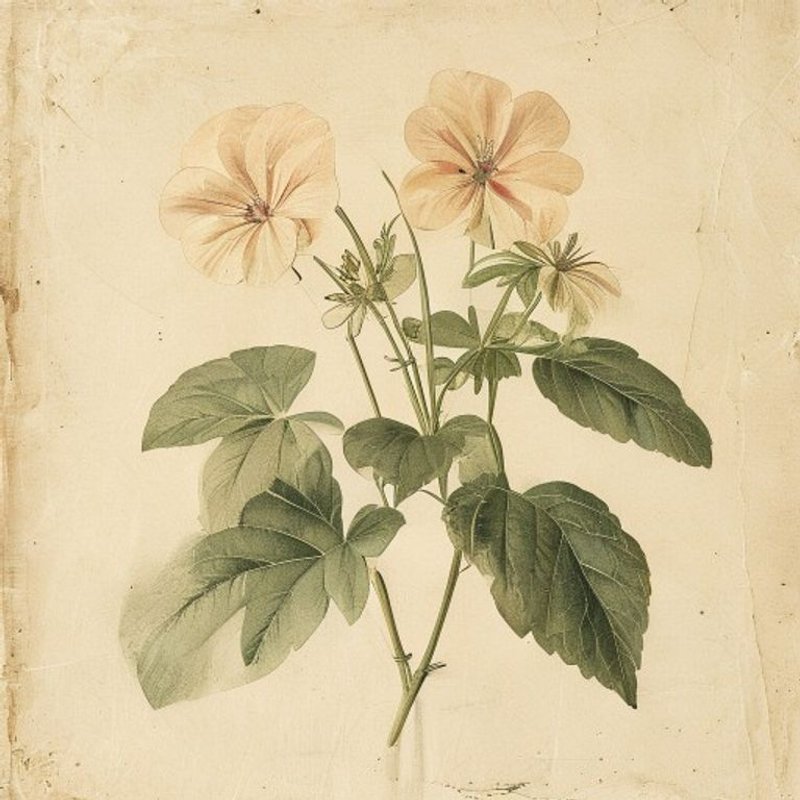
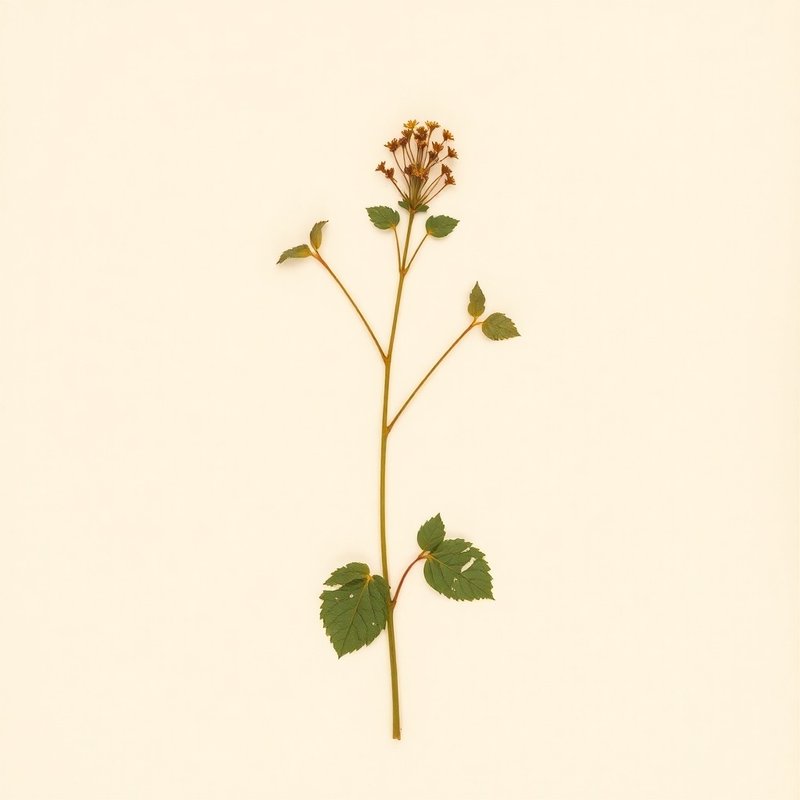
6 relatedPlants you might compare or use together — scored by shared family (Balsaminaceae), common use cases, and growing requirements.
Explore further
About this entry
- Last updated
- Citation
- How to cite this entry · Submit a correction
Continue reading
Get archive updates
Occasional email when substantial new content lands — plant profiles, seasonal growing notes, folk-remedy additions. Free, no tracking, unsubscribe anytime.