
Skip to content
IIIFolio · plant profile№ 51E5edible
Data provenancePermapeopleTrefleWikipediaPFAFPOWOreviewed 7 Jul 2026methodology → read

Cogongrass

Imperata cylindrica
Educational content — not medical, botanical, or professional advice. Plant identification, safety, and edibility depend on local conditions, cultivars, and correct identification. Consult a qualified botanist or forager before consuming or handling wild specimens. How we source & review →
Updated·Quick Q&A →
Garden journal pausedUse profile notes below
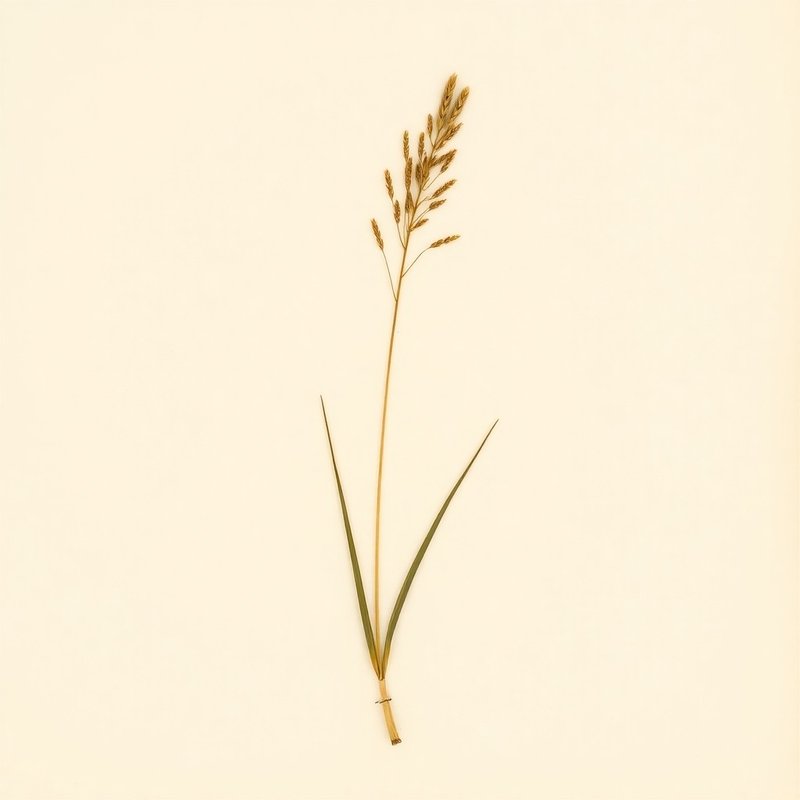
Imperata cylindrica (Cogongrass) — botanical photograph
Pl. 51E5 — Imperata cylindrica
Imperata cylindricaImperata cylindricaImperata cylindricaImperata cylindricaImperata cylindricaImperata cylindricaImperata cylindricaImperata cylindricaImperata cylindricaImperata cylindricaImperata cylindricaImperata cylindricaImperata cylindricaImperata cylindrica
I

Overview

Cogongrass (Imperata cylindrica) is a perennial graminoid known for its invasive nature and widespread distribution across many African, Asian, and European countries including Afghanistan, Albania, Algeria, Angola, and beyond. Native to parts of Africa and the Middle East, it has been introduced to numerous other regions where it thrives in dry to moist conditions, preferring light (sandy), medium, or heavy (clay) soils with a pH between 6.5 and 7. This grass can grow up to 1.2 meters tall and is notable for its edible parts including flowers, leaves, roots, and shoots, making it valuable as a food source in some areas. Its adaptability and robust growth make cogongrass both an ornamental and a problematic weed in many habitats.

Quick answers

What is Cogongrass?

Cogongrass (Imperata cylindrica) is a perennial graminoid known for its invasive nature and widespread distribution across many African, Asian, and European countries including Afghanistan, Albania, Algeria, Angola, and beyond.

Growingconditions · propagation · uses
V

Cultivation

Cogongrass thrives in light to medium soils and prefers a pH between 6.5 and 7. It is drought-tolerant but also grows well in moist conditions and can handle both sandy and clay soils. This perennial plant is hardy in zones 6-9, making it suitable for temperate regions. For cultivation, ensure the soil is well-draining while maintaining consistent moisture. Cogongrass requires full sun to partial shade and can grow up to 1.2 meters tall. It can be propagated through division or seed sowing. Harvest edible parts such as flowers, leaves, roots, and shoots for use in culinary applications.
Light
9/10
Water
Dry, Moist
Soil
Light (sandy), Medium, Heavy (clay)
Hardiness
6-9
Life cycle
Perennial
Habit
Graminoid
Mature size
1.2 m tall
Soil pH
6.5–7
Seasonal calendar
Northern hemisphere · UTC month is November
winterspringsummerautumnwinter
BloomJFMAMJJASOND
For first-time growers

How to grow Cogongrass for the first time

7steps

Cogongrass is a hardy perennial that can be challenging for beginners due to its invasive nature, but with proper care, it can thrive in various conditions.

  1. 1

    What you'll need

    A small Cogongrass plant or seeds, a container or garden bed, and basic gardening tools like a trowel.

  2. 2

    Best time to plant

    Plant in spring when the soil is warm but not too hot, typically from March to May.

  3. 3

    Soil and container prep

    Ensure the soil is well-draining with a pH between 6.5 and 7. Amend heavy or clay soils with sand for better drainage.

  4. 4

    Sowing or transplanting

    Transplant young plants from another source, or sow seeds directly into the prepared soil about 1 cm deep.

  5. 5

    First two weeks

    Keep the soil consistently moist but not waterlogged. Place a layer of mulch around the plant to retain moisture and suppress weeds.

  6. 6

    Ongoing care

    Water regularly, especially during dry spells, and fertilize once or twice a year with a balanced fertilizer. Prune dead leaves as needed.

  7. 7

    Harvest or pruning

    Prune the plant in late winter to early spring before new growth begins to maintain its shape and health.

VI

Edible & utility

Edible parts:FlowersLeavesRootShoots
Edible uses: Salt
Other uses:textilesErosion controlWeaving materialGround cover
Contextrange · companions · related
VII

Distribution

81 native · 77 introduced
Distribution across4 continents· 81 native· 77 introduced
Europe9 regions
native (8)AlbaniaBulgariaCyprusFranceGreeceItalyPortugalSpain
introduced (1)Russia
Asia28 regions
native (9)AfghanistanIranIraqKuwaitOmanPalestineSaudi ArabiaTurkeyYemen
introduced (19)BangladeshCambodiaChinaGeorgiaIndiaJapanKazakhstanLaosMyanmarNepalPakistanPhilippinesSouth KoreaSri LankaTaiwanThailandTurkmenistanUzbekistanVietnam
Africa43 regions
native (43)AlgeriaAngolaBeninBotswanaBurkina FasoBurundiCabo VerdeCameroonChadComorosCôte d'IvoireEgyptEquatorial GuineaEswatiniEthiopiaGabonGambiaGhanaGuineaGuinea-BissauKenyaLesothoLiberiaLibyaMadagascarMalawiMaliMauritiusMoroccoMozambiqueNamibiaNigerNigeriaRwandaSenegalSierra LeoneSudanTanzaniaTogoTunisiaUgandaZambiaZimbabwe
Oceania5 regions
introduced (5)FijiNew CaledoniaSamoaTongaVanuatu
Broader regions
native:Cape Provinces, Central African Repu, Congo, East Aegean Is., Free State, Gulf of Guinea Is., Kriti, KwaZulu-Natal, Lebanon-Syria, Northern Provinces, Sinai, Socotra, Turkey-in-Europe, Yugoslavia, Zaïre
introduced:Alabama, Andaman Is., Bismarck Archipelago, Borneo, Caroline Is., Christmas I., Cocos (Keeling) Is., East Himalaya, Florida, Hainan, Jawa, Kirgizstan, Lesser Sunda Is., Louisiana, Malaya, Maluku, Marianas, Mexico Southeast, Mexico Southwest, Mississippi, Nansei-shoto, New Guinea, New South Wales, New Zealand North, Nicobar Is., Norfolk Is., Northern Territory, Ogasawara-shoto, Oregon, Queensland, Solomon Is., South Australia, South Carolina, South China Sea, Sulawesi, Sumatera, Tadzhikistan, Tasmania, Texas, Transcaucasus, Victoria, Virginia, Wallis-Futuna Is., West Himalaya, Western Australia
IX

Specimen gallery

1 image
Imperata cylindrica (Cogongrass) — botanical photograph
Cogongrass (Imperata cylindrica)
XI

Explore further

XII

About this entry

Last updated
Citation
How to cite this entry · Submit a correction
Back to the cataloguePlant id · 51e54f50-6e4f-4b2b-81d3-cad84070b3da
Decision aid
Choosing between Cogongrass and something else?
Compare with another plant

Continue reading

❦❦❦❦
Endpaper · archive updates

Get archive updates

Occasional email when substantial new content lands — plant profiles, seasonal growing notes, folk-remedy additions. Free, no tracking, unsubscribe anytime.

Newsletter returning soon.
We are rebuilding the update list around a lightweight editorial workflow. New dispatches will resume after the next content review cycle.
iCare notes