
Hardy Gloxinia
IOverview
Overview
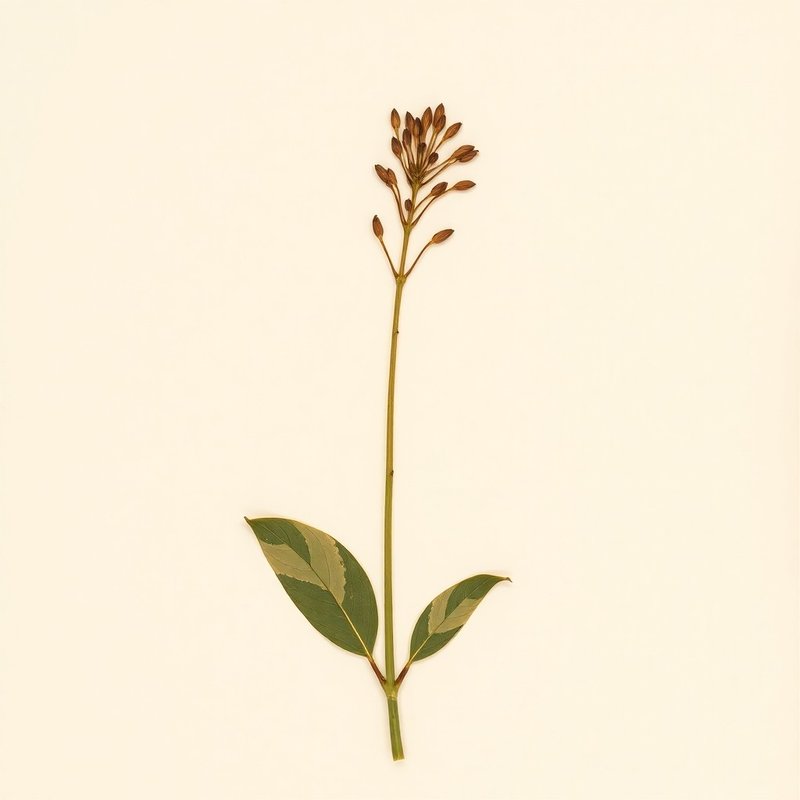
Hardy Gloxinia, Incarvillea delavayi, is a perennial plant native to the South-Central regions of China, specifically within the Bignoniaceae family. This plant is known for its ornamental value and edibility, making it a versatile addition to both gardens and culinary dishes. Hardy Gloxinia thrives in full sun to partial shade and prefers moist, light (sandy) to medium soil. It reaches a height of 0.4 meters and is suitable for gardens in USDA hardiness zones 7-9. Its edible parts, including leaves and shoots, can be consumed fresh in salads or cooked as vegetables, adding a mild flavor to dishes when used either raw or lightly steamed. Hardy Gloxinia is adaptable to various light conditions, making it a versatile addition to both landscapes and culinary dishes. While primarily ornamental and not medicinal, its edible qualities make it a valuable plant for those interested in both gardening and cooking.
What is Hardy Gloxinia?
Hardy Gloxinia, Incarvillea delavayi, is a perennial plant native to the South-Central regions of China, specifically within the Bignoniaceae family. This plant is known for its ornamental value and edibility, making it a versatile addition to both gardens and culinary dishes.
VCultivation
Cultivation
How to grow Hardy Gloxinia for the first time
Start with Hardy Gloxinia to gain experience in perennial care.
- 1
What you'll need
A small pot, quality soil, and a plant or seeds.
- 2
Best time to plant
Plant in spring after the last frost or in fall before the first freeze.
- 3
Soil and container prep
Use well-draining soil and ensure pots have drainage holes.
- 4
Sowing or transplanting
Transplant young plants from nursery or sow seeds directly into the pot.
- 5
First two weeks
Keep the soil moist but not waterlogged, and place in a partially shaded area.
- 6
Ongoing care
Provide full to partial sun, keep soil consistently moist, and fertilize lightly every few months.
- 7
Harvest or pruning
Prune dead leaves and spent flowers to maintain plant health.
- 8
Common mistakes
Overwatering, planting in heavy soil, neglecting sun exposure, not providing enough drainage, and over-fertilizing.
VIEdible & utility
Edible & utility
VIIDistribution
1 native · 0 introduced
Distribution
1 native · 0 introducedIXSpecimen gallery
1 image
Specimen gallery
1 imageExplore further
About this entry
- Last updated
- Citation
- How to cite this entry · Submit a correction
Continue reading
Get archive updates
Occasional email when substantial new content lands — plant profiles, seasonal growing notes, folk-remedy additions. Free, no tracking, unsubscribe anytime.