
Tahiti Chestnut
Inocarpus fagifer
Educational content — not medical, botanical, or professional advice. Plant identification, safety, and edibility depend on local conditions, cultivars, and correct identification. Consult a qualified botanist or forager before consuming or handling wild specimens. How we source & review →
Garden journal pausedUse profile notes below
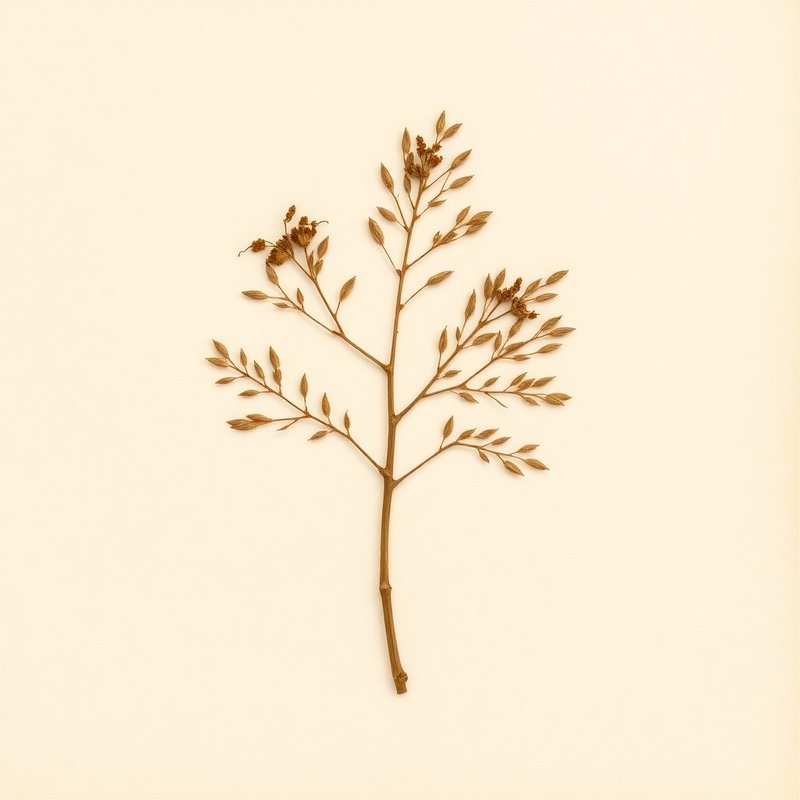
Pl. C37C — Inocarpus fagifer
Inocarpus fagiferInocarpus fagiferInocarpus fagiferInocarpus fagiferInocarpus fagiferInocarpus fagiferInocarpus fagiferInocarpus fagiferInocarpus fagiferInocarpus fagiferInocarpus fagiferInocarpus fagiferInocarpus fagiferInocarpus fagifer
IOverview
Overview
The Tahiti Chestnut (Inocarpus fagifer) is a tall tree native to various Pacific islands and Southeast Asian regions such as the Bismarck Archipelago, Borneo, Fiji, New Guinea, and the Philippines. This tree thrives in moist to wet conditions and can grow up to 20 meters tall, making it an adaptable species that prefers light (sandy), medium, or heavy (clay) soils. It is well-suited for environments with full sun to partial shade, where it serves multiple practical purposes including fire starting, wind breaking, erosion control, lumber production, and nitrogen fixing. The Tahiti Chestnut is particularly notable for its edible seeds, which can be consumed raw or cooked after boiling. These seeds are a nutritious addition to meals in the native range of this tree across various Pacific islands and Southeast Asia. The tree has been introduced to other regions such as the Caroline Islands, Cook Islands, Gilbert Islands, Marquesas, Marshall Islands, Niue, Samoa, and Tuamotu, further expanding its utility. In cultivation, the Tahiti Chestnut requires consistent moisture in the soil for optimal growth. It is hardy in zones 10-12 and can be propagated through seeds. Its distinctive feature lies in the edible nature of its seeds, making it a valuable resource in its native range. While not medicinal, this tree offers practical benefits such as fire starting, wind protection, erosion control, lumber production, and nitrogen fixation, contributing to its ecological and economic value.
Quick answers
What is Tahiti Chestnut?
The Tahiti Chestnut (Inocarpus fagifer) is a tall tree native to various Pacific islands and Southeast Asian regions such as the Bismarck Archipelago, Borneo, Fiji, New Guinea, and the Philippines.
Growingconditions · propagation · uses
VCultivation
Cultivation
The Tahiti Chestnut thrives in full sun to partial shade and prefers moist to wet soil that is light (sandy), medium, or heavy (clay). It grows well in hardiness zones 10-12 and can reach a height of 20 meters. For propagation, seeds are the recommended method. Ensure the soil remains consistently moist for best results.
Light
Full sun, Partial sun/shade, Full shade
Water
Moist, Wet
Soil
Light (sandy), Medium, Heavy (clay)
Hardiness
10-12
Mature size
20.0 m tall
For first-time growers
How to grow Tahiti Chestnut for the first time
8steps
Start with a simple planting of Tahiti Chestnut in a sunny spot, and you'll be on your way to a rewarding gardening experience.
- 1
What you'll need
A young Tahiti Chestnut sapling, well-draining soil, and a large container or garden space.
- 2
Best time to plant
Plant in spring when the weather is warm but not too hot.
- 3
Soil and container prep
Ensure your soil is light (sandy), medium, or heavy with good drainage. For containers, use a mix of potting soil and perlite for better aeration.
- 4
Sowing or transplanting
Transplant the sapling carefully, ensuring not to damage the roots. Water thoroughly after planting.
- 5
First two weeks
Keep the soil moist but not waterlogged. Place in partial shade for a few days to acclimate.
- 6
Ongoing care
Water regularly, especially during dry spells. Fertilize lightly once a year with compost or organic matter.
- 7
Harvest or pruning
Prune young trees to shape them and remove any dead or diseased branches. Harvest seeds when they are ripe and dry.
- 8
Common mistakes
Overwatering, planting in heavy shade, not providing enough space for the tree's growth, using chemical fertilizers, and neglecting pruning.
VIEdible & utility
Edible & utility
Edible parts:Seed
Edible uses: The Tahiti Chestnut is eaten for its seed, which can be consumed raw or cooked. The seeds are often prepared by boiling to make a nutritious addition to meals in the native range of this tree found across various Pacific islands and Southeast Asia.
Other uses:Fire starterWind breakerErosion controlLumberNitrogen fixer
Contextrange · companions · related
VIIDistribution
18 native · 9 introduced
Distribution
18 native · 9 introducedDistribution across2 continents· 18 native· 9 introduced
Asia1 region
native (1)Philippines
Oceania4 regions
native (3)FijiTongaVanuatu
introduced (1)Samoa
Broader regions
native:Bismarck Archipelago, Borneo, Christmas I., Jawa, Lesser Sunda Is., Malaya, New Guinea, Santa Cruz Is., Society Is., Solomon Is., Sulawesi, Sumatera, Tubuai Is., Wallis-Futuna Is.
introduced:Caroline Is., Cook Is., Gilbert Is., Marianas, Marquesas, Marshall Is., Niue, Tuamotu
IXSpecimen gallery
1 image
Specimen gallery
1 imageXI
Explore further
Companion planting
Growing zone
XII
About this entry
- Last updated
- Citation
- How to cite this entry · Submit a correction
Back to the cataloguePlant id · c37c9985-091e-4e54-9b2d-f4b8c1595300
Decision aid
Choosing between Tahiti Chestnut and something else?
Continue reading
❦❦❦❦
Endpaper · archive updates
Get archive updates
Occasional email when substantial new content lands — plant profiles, seasonal growing notes, folk-remedy additions. Free, no tracking, unsubscribe anytime.
Newsletter returning soon.
We are rebuilding the update list around a lightweight editorial workflow. New dispatches will resume after the next content review cycle.