
Moonflower
Ipomoea alba
Educational content — not medical, botanical, or professional advice. Plant identification, safety, and edibility depend on local conditions, cultivars, and correct identification. Consult a qualified botanist or forager before consuming or handling wild specimens. How we source & review →
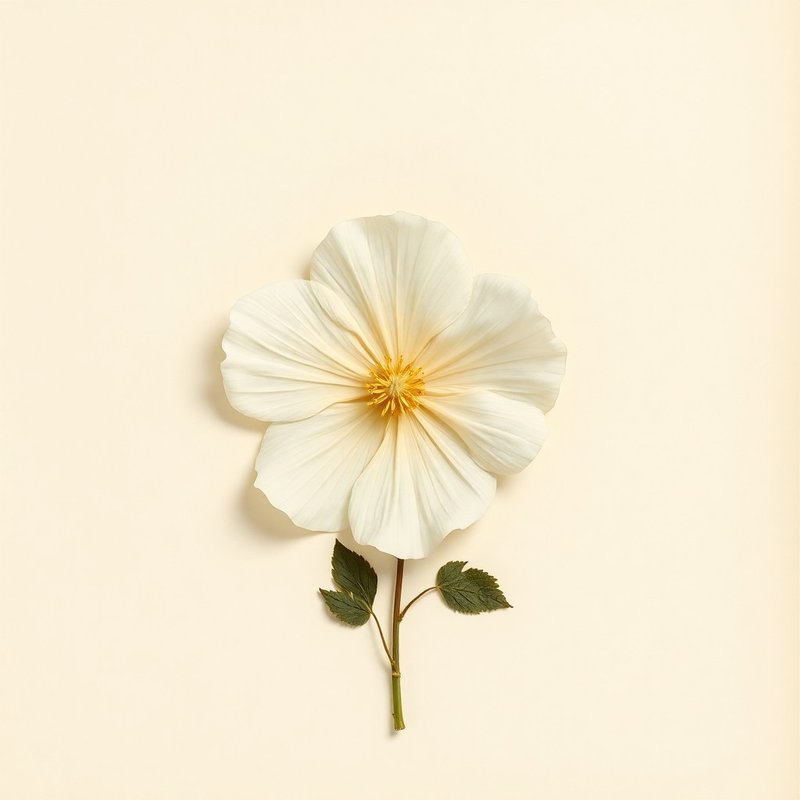
Pl. 5DE6 — Ipomoea alba
Ipomoea albaIpomoea albaIpomoea albaIpomoea albaIpomoea albaIpomoea albaIpomoea albaIpomoea albaIpomoea albaIpomoea albaIpomoea albaIpomoea albaIpomoea albaIpomoea alba
IOverview
Overview
Moonflower, scientifically known as Ipomoea alba, is a perennial vine that can grow up to 10 meters in height. Native to regions including Argentina Northwest, Belize, Bolivia, Brazil Northeast, Brazil Southeast, Colombia, Costa Rica, Ecuador, and other Central American countries, this plant thrives in full sun and moist, light (sandy) or medium soil conditions. It is hardy in zones 7-10 and is known for its edible leaves and seeds, making it a valuable resource in some areas. One distinctive feature of the Moonflower is its large, white trumpet-shaped flowers that bloom at night, giving it its common name.
Quick answers
What is Moonflower?
Moonflower, scientifically known as Ipomoea alba, is a perennial vine that can grow up to 10 meters in height.
Growingconditions · propagation · uses
VCultivation
Cultivation
Moonflower thrives in full sun and requires moist, well-draining soil that is either light (sandy) or medium. It can grow up to 10 meters tall and is hardy in zones 7-10, making it suitable for temperate regions. For propagation, use seeds directly sown outdoors after the last frost. This perennial plant is native to Central and South America and is edible, with both leaves and seeds being consumable.
Light
Full sun
Water
Moist
Soil
Light (sandy), Medium
Hardiness
7-10
Life cycle
Perennial
Mature size
10.0 m tall
For first-time growers
How to grow Moonflower for the first time
8steps
Start with easy-to-grow Moonflowers for a rewarding beginner gardening experience.
- 1
What you'll need
Seeds or seedlings, small pots if starting indoors, garden soil, and a trellis or support system.
- 2
Best time to plant
Plant in late spring after the last frost when temperatures are consistently above 70°F (21°C).
- 3
Soil and container prep
Use well-draining soil with a pH between 6.0 and 7.5, ensuring containers have drainage holes.
- 4
Sowing or transplanting
Start seeds indoors about 4-6 weeks before the last frost date, then transplant outdoors once danger of frost is past.
- 5
First two weeks
Water regularly to keep soil moist but not waterlogged. Provide partial shade if temperatures are very high.
- 6
Ongoing care
Water when the top inch of soil feels dry, and fertilize every 4-6 weeks with a balanced fertilizer.
- 7
Harvest or pruning
Prune occasionally to encourage bushier growth. Remove dead flowers to promote more blooms.
- 8
Common mistakes
Overwatering, planting too early in cold soil, and not providing enough support for climbing vines.
VIEdible & utility
Edible & utility
Edible parts:LeavesSeed
Edible uses: The moonflower's leaves and seeds are edible. The leaves can be eaten raw or cooked in various dishes, while the seeds are often roasted before consumption. Both parts are typically prepared fresh due to their delicate nature.
Other uses:Fragrance
Contextrange · companions · related
VIIDistribution
30 native · 0 introduced
Distribution
30 native · 0 introducedDistribution across1 continent· 30 native
Americas16 regions
native (16)BahamasBelizeBoliviaColombiaCosta RicaCubaDominican RepublicEcuadorEl SalvadorFrench GuianaGuatemalaGuyanaHondurasNicaraguaPeruVenezuela
Broader regions
native:Argentina Northeast, Central American Pac, Florida, Mexico Northwest, Mexico Southeast, Brazil North, Brazil South, Netherlands Antilles, Argentina Northwest, Brazil Northeast, Brazil Southeast, Galápagos, Mexico Central, Mexico Northeast
IXSpecimen gallery
1 image
Specimen gallery
1 imageXI
Explore further
Companion planting
Growing zone
XII
About this entry
- Last updated
- Citation
- How to cite this entry · Submit a correction
Back to the cataloguePlant id · 5de6ce3a-d900-453d-948b-23c27d13f3cb
Decision aid
Choosing between Moonflower and something else?
Continue reading
❦❦❦❦
Endpaper · archive updates
Get archive updates
Occasional email when substantial new content lands — plant profiles, seasonal growing notes, folk-remedy additions. Free, no tracking, unsubscribe anytime.