
Japanese Iris
IOverview
Overview
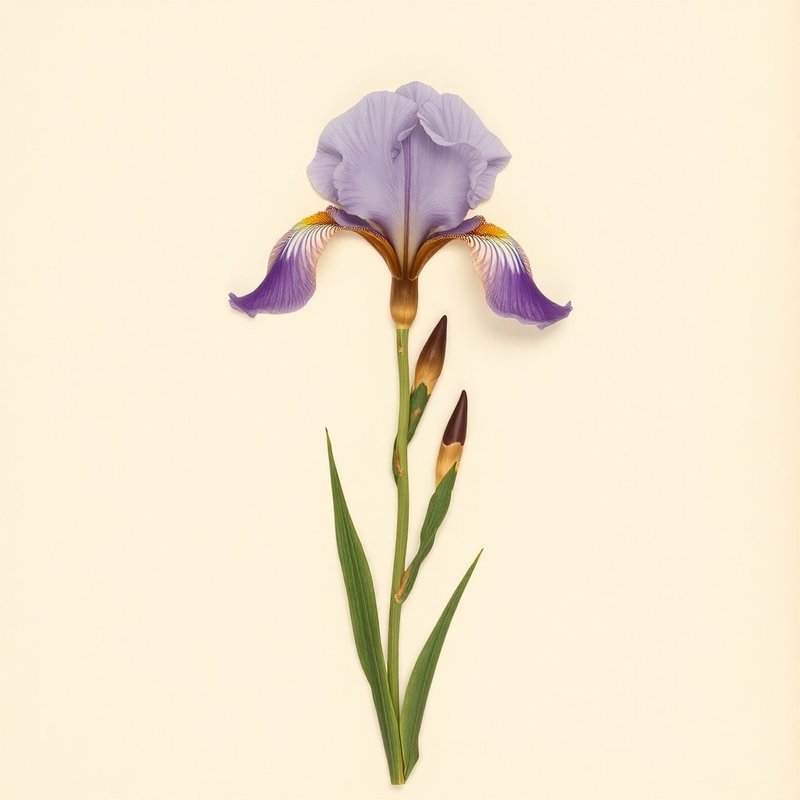
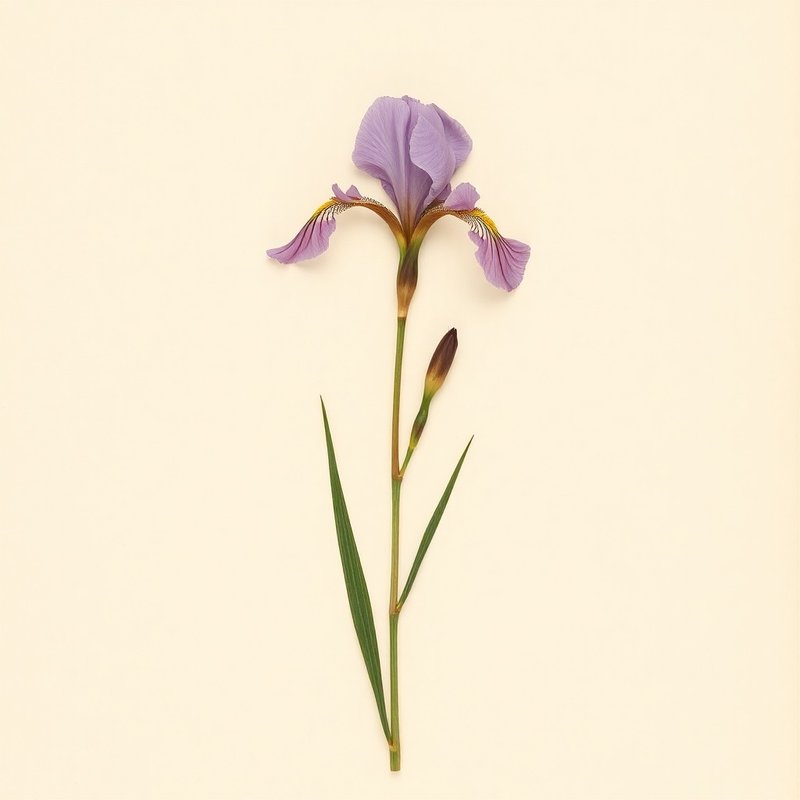
Japanese Iris, scientifically known as Iris japonica and belonging to the Iridaceae family, is a perennial plant native to regions including China North-Central, South-Central, Southeast, Hainan, Japan, Myanmar, Qinghai, and Tibet. This iris thrives in various habitats such as dry or moist areas with light sandy or medium soil, often found in full sun to partial shade. Known for its ornamental value, it also has edible roots that can be consumed, typically prepared by boiling to soften them before eating. Additionally, Japanese Iris is recognized for its medicinal properties, making it a multi-purpose plant in traditional use. One distinctive feature of this iris is its adaptability across different environmental conditions, allowing it to grow in diverse regions. While the plant is not typically recommended for medicinal use without professional guidance, its roots contain compounds that may have therapeutic benefits. This iris is often used as a ground cover and has been introduced into regions such as Assam, East Himalaya, Italy, Réunion, Vietnam, and West Himalaya, showcasing its versatility and widespread appeal.
What is Japanese Iris?
Japanese Iris, scientifically known as Iris japonica and belonging to the Iridaceae family, is a perennial plant native to regions including China North-Central, South-Central, Southeast, Hainan, Japan, Myanmar, Qinghai, and Tibet.
IV·bMixology suggestions
2 drafts
Mixology suggestions
2 draftsVCultivation
Cultivation
How to grow Japanese Iris for the first time
Start with planting Japanese Iris for a simple and rewarding gardening experience.
- 1
What you'll need
Japanese iris bulbs, well-draining soil, garden gloves.
- 2
Best time to plant
Plant in early spring or late summer for best results.
- 3
Soil and container prep
Choose a location with light to partial sun. Ensure the soil is light (sandy) to medium and well-draining.
- 4
Sowing or transplanting
Plant bulbs 5-10 cm deep, spacing them about 30 cm apart in groups for a natural look.
- 5
First two weeks
Water the newly planted iris regularly to help establish roots. Keep soil moist but not waterlogged.
- 6
Ongoing care
Fertilize once or twice during spring and early summer with a balanced fertilizer. Mulch around plants in winter for protection.
- 7
Harvest or pruning
Prune dead or damaged foliage to maintain plant health. Remove spent flowers to encourage more blooms.
- 8
Common mistakes
Overwatering, planting too deep, neglecting mulching in cold regions, not providing enough sunlight, and using heavy fertilizers.
VIEdible & utility
Edible & utility
VIIDistribution
8 native · 6 introduced
Distribution
8 native · 6 introducedIXSpecimen gallery
1 image
Specimen gallery
1 imageXSee also
8 related
See also
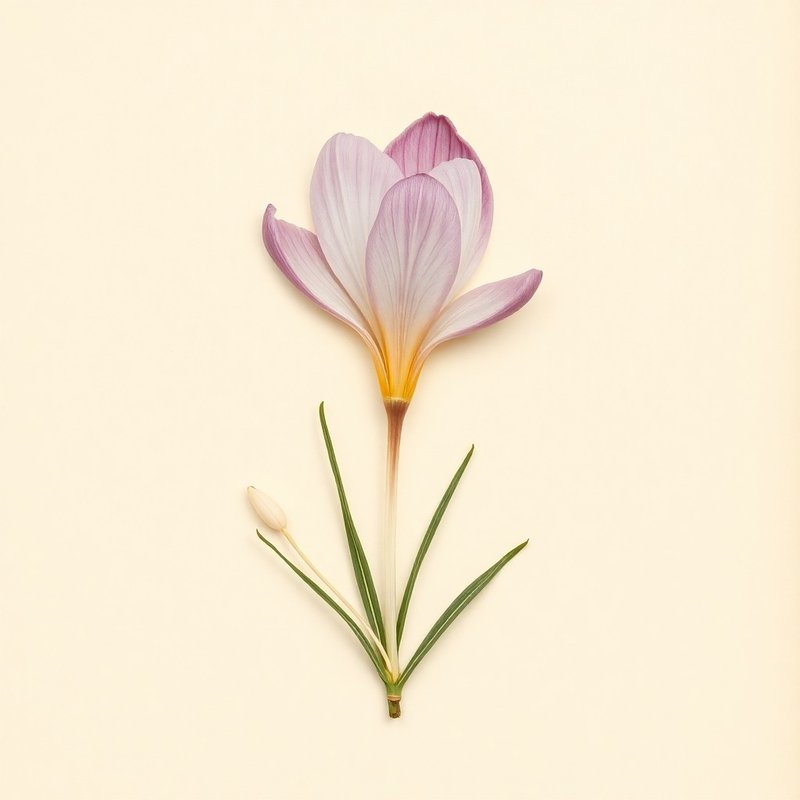
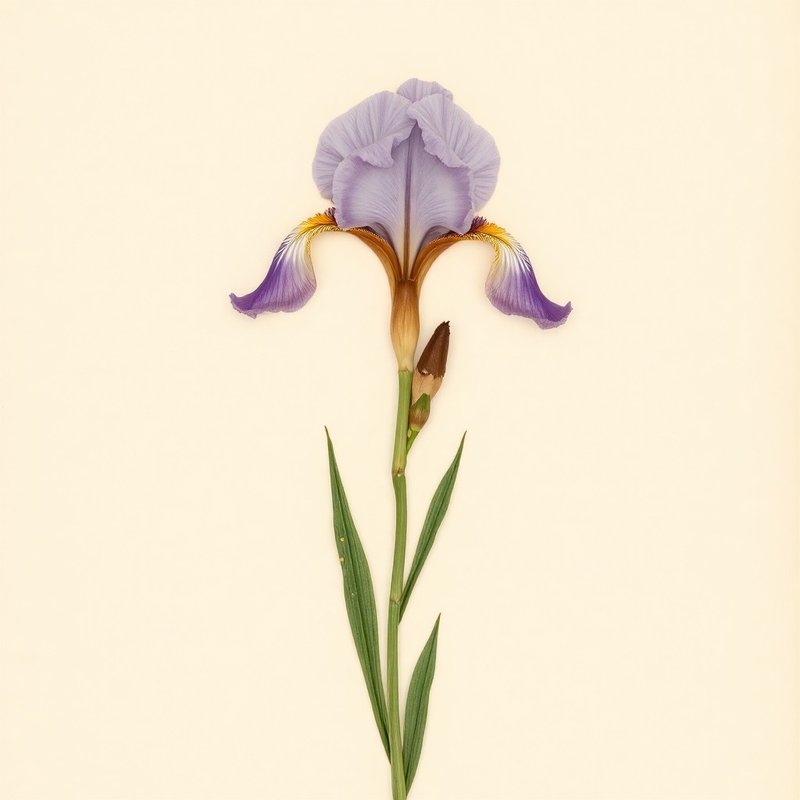
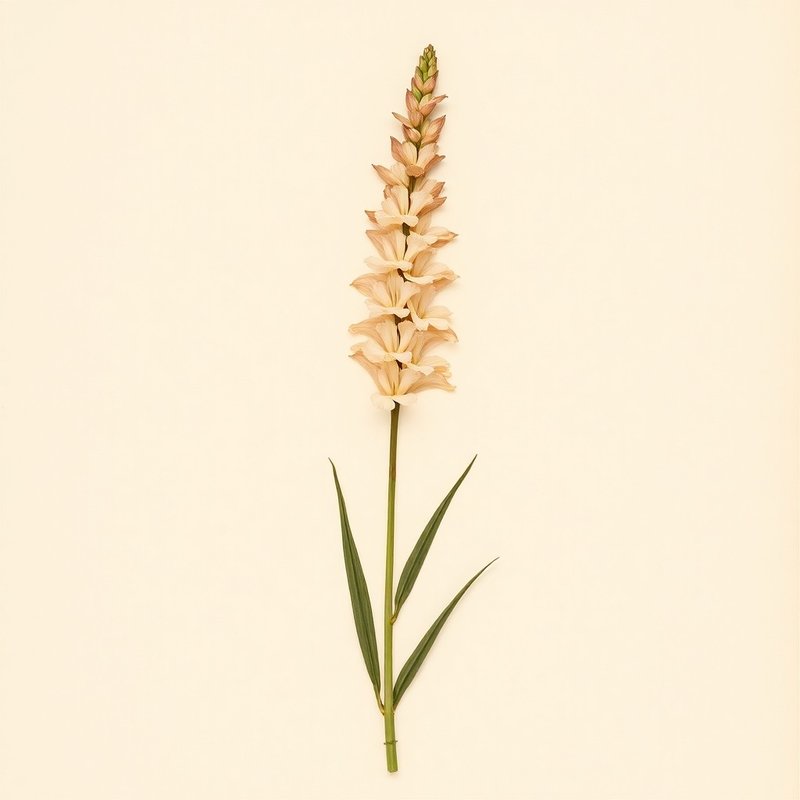
8 relatedPlants you might compare or use together — scored by shared family (Iridaceae), common use cases, and growing requirements.



Explore further
About this entry
- Last updated
- Citation
- How to cite this entry · Submit a correction
Continue reading
Get archive updates
Occasional email when substantial new content lands — plant profiles, seasonal growing notes, folk-remedy additions. Free, no tracking, unsubscribe anytime.