
Jasmin
Jasminum grandiflorum
Educational content — not medical, botanical, or professional advice. Plant identification, safety, and edibility depend on local conditions, cultivars, and correct identification. Consult a qualified botanist or forager before consuming or handling wild specimens. How we source & review →
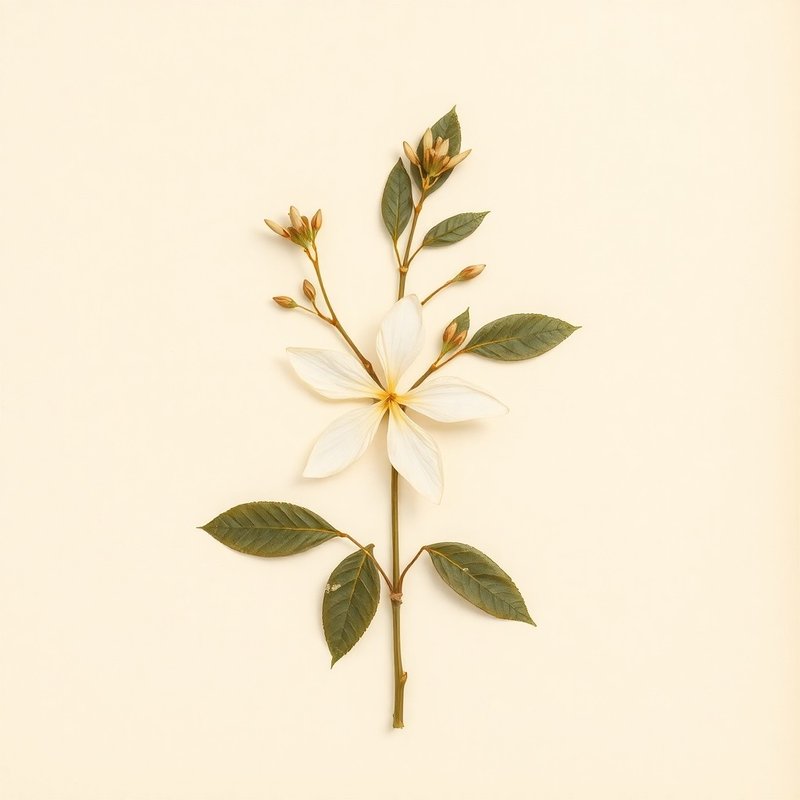
Pl. 0A2A — Jasminum grandiflorum
Jasminum grandiflorumJasminum grandiflorumJasminum grandiflorumJasminum grandiflorumJasminum grandiflorumJasminum grandiflorumJasminum grandiflorumJasminum grandiflorumJasminum grandiflorumJasminum grandiflorumJasminum grandiflorumJasminum grandiflorumJasminum grandiflorumJasminum grandiflorum
IOverview
Overview
Jasminum grandiflorum, commonly known as Jasmin, is a fragrant flowering plant native to regions including Bangladesh, China South-Central, Djibouti, Eritrea, Ethiopia, Kenya, Nepal, Oman, and other parts of East Africa and the Middle East. This plant thrives in full or partial sun with moist soil that can be light (sandy), medium, or heavy (clay). It is hardy in zones 10-12 and grows to a height of about 2.5 meters. Known for its ornamental value and edibility, Jasmin's flowers are edible and often used in culinary applications due to their pleasant aroma. One distinctive feature of this plant is its ability to adapt to various soil types while requiring moist conditions to flourish.
Quick answers
What is Jasmin?
Jasminum grandiflorum, commonly known as Jasmin, is a fragrant flowering plant native to regions including Bangladesh, China South-Central, Djibouti, Eritrea, Ethiopia, Kenya, Nepal, Oman, and other parts of East Africa and the Middle East.
Growingconditions · propagation · uses
VCultivation
Cultivation
Jasmin prefers full to partial sun and requires moist soil that can be light (sandy), medium, or heavy (clay). It thrives in USDA hardiness zones 10-12 but is generally hardy in temperate regions as well. The plant grows up to 2.5 meters tall and can be propagated through cuttings. Flowers are edible parts of the plant.
Light
Full sun, Partial sun/shade
Water
Moist
Soil
Light (sandy), Medium, Heavy (clay)
Hardiness
10-12
Habit
Nonvascular
Mature size
2.5 m tall
For first-time growers
How to grow Jasmin for the first time
7steps
Start with a simple, low-maintenance Jasmin plant for your beginner garden.
- 1
What you'll need
A young Jasmin plant or cutting, well-draining potting mix, and a container with drainage holes.
- 2
Best time to plant
Plant in spring when the weather starts warming up, avoiding frost periods.
- 3
Soil and container prep
Use a potting mix that is light and well-draining. Ensure your container has adequate drainage holes.
- 4
Sowing or transplanting
Transplant the Jasmin into its container, making sure not to damage the roots during the process.
- 5
First two weeks
Keep the soil moist but not waterlogged. Place in a sunny spot and avoid direct sunlight for the first few days.
- 6
Ongoing care
Water when the top inch of soil feels dry, and ensure it gets at least 6 hours of sun daily. Fertilize lightly once a month.
- 7
Harvest or pruning
Prune in late winter to encourage new growth and maintain shape. Harvest flowers for decoration as needed.
VIEdible & utility
Edible & utility
Edible parts:Flowers
Edible uses: Oil
Other uses:CosmeticEssential OiloilSoapFragrance
Contextrange · companions · related
VIIDistribution
15 native · 15 introduced
Distribution
15 native · 15 introducedDistribution across3 continents· 15 native· 15 introduced
Asia6 regions
native (6)BangladeshChinaNepalOmanPakistanSaudi Arabia
Americas9 regions
introduced (9)BelizeBoliviaCosta RicaCubaDominican RepublicEl SalvadorGuatemalaNicaraguaPuerto Rico
Africa8 regions
native (8)DjiboutiEritreaEthiopiaKenyaRwandaSomaliaSudanUganda
Broader regions
native:West Himalaya
introduced:Mexico Southeast, Panamá, Réunion, Trinidad-Tobago, Windward Is., Cook Is.
IXSpecimen gallery
1 image
Specimen gallery
1 imageXI
Explore further
Companion planting
Growing zone
XII
About this entry
- Last updated
- Citation
- How to cite this entry · Submit a correction
Back to the cataloguePlant id · 0a2a972f-3881-435a-b60e-6f61b94c607a
Decision aid
Choosing between Jasmin and something else?
Continue reading
❦❦❦❦
Endpaper · archive updates
Get archive updates
Occasional email when substantial new content lands — plant profiles, seasonal growing notes, folk-remedy additions. Free, no tracking, unsubscribe anytime.