
Soft Rush
IOverview
Overview
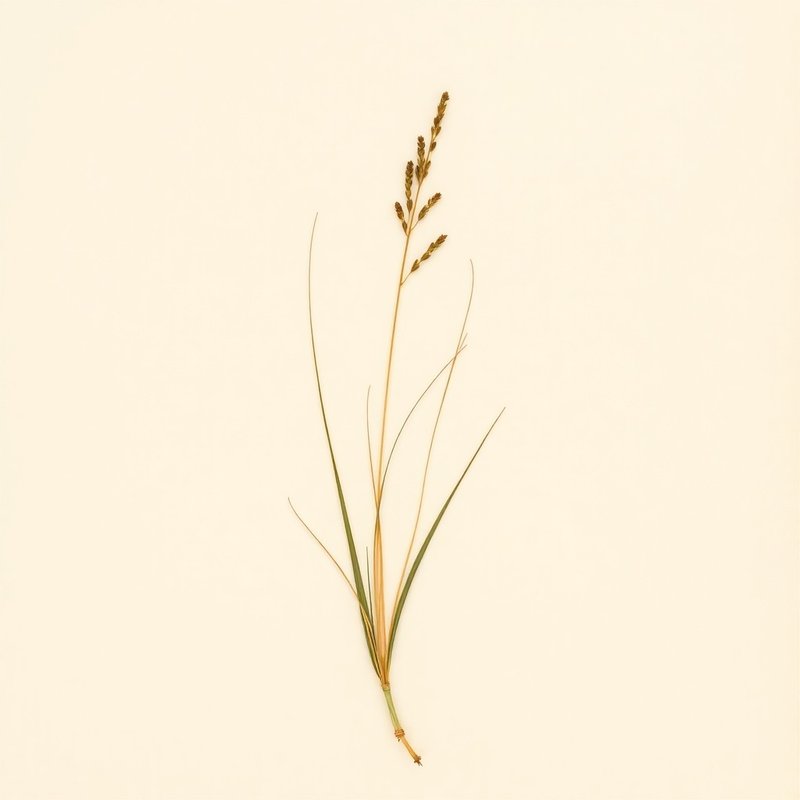
Soft Rush (Juncus effusus), a perennial graminoid native to Ethiopia, is adaptable to various growing conditions, thriving in moist or wet environments with light, medium, or heavy soil and a pH range of 5.5 to 8.8. This plant can grow up to 1.5 meters tall and is hardy in zones 4-8. Its edible parts—leaves and shoots—are suitable for consumption when fresh or lightly steamed, making it a versatile addition to gardens and landscapes where its coarse-textured green foliage adds visual interest. Soft Rush is also valued for its ornamental use, providing an attractive bunch growth form that can enhance the aesthetic appeal of garden beds and borders. Due to its adaptability, this plant has been introduced into numerous regions including Afghanistan, Alabama, Alaska, and many others across the globe. While primarily used as a weaving material, lighting source, or textile, Soft Rush can be considered invasive in some areas due to its weed potential. Its introduction into new environments requires careful monitoring to prevent overgrowth and ensure it does not outcompete native species.
What is Soft Rush?
Soft Rush (Juncus effusus), a perennial graminoid native to Ethiopia, is adaptable to various growing conditions, thriving in moist or wet environments with light, medium, or heavy soil and a pH range of 5.5 to 8.8. This plant can grow up to 1.
VCultivation
Cultivation
How to grow Soft Rush for the first time
Start with soft rush as a simple, low-maintenance perennial for your garden.
- 1
What you'll need
Soft Rush plants or seeds, potting soil, containers if planting in pots.
- 2
Best time to plant
Plant Soft Rush in spring after the last frost or in early fall.
- 3
Soil and container prep
Use a well-draining soil with a pH between 5.5 and 8.8, ensuring it's moist but not waterlogged.
- 4
Sowing or transplanting
Transplant young plants from nurseries or sow seeds directly in the garden after preparing the soil.
- 5
First two weeks
Water regularly to keep the soil consistently moist, especially during establishment.
- 6
Ongoing care
Provide light watering as needed and mulch around plants to retain moisture. Prune dead leaves in spring.
- 7
Harvest or pruning
Prune back old growth in late winter to encourage new growth and maintain a tidy appearance.
- 8
Common mistakes
Overwatering, planting in poorly draining soil, neglecting to prune regularly.
VIEdible & utility
Edible & utility
VIIDistribution
150 native · 163 introduced
Distribution
150 native · 163 introducedIXSpecimen gallery
1 image
Specimen gallery
1 imageXSee also
1 related
See also
1 relatedPlants you might compare or use together — scored by shared family (Juncaceae), common use cases, and growing requirements.
Explore further
About this entry
- Last updated
- Citation
- How to cite this entry · Submit a correction
Continue reading
Get archive updates
Occasional email when substantial new content lands — plant profiles, seasonal growing notes, folk-remedy additions. Free, no tracking, unsubscribe anytime.