
Aligator Juniper
Juniperus deppeanafam. Pinaceae
Educational content — not medical, botanical, or professional advice. Always consult a qualified clinician before using any herbal preparation — especially during pregnancy, breastfeeding, while on medication, or for children. How we source & review →
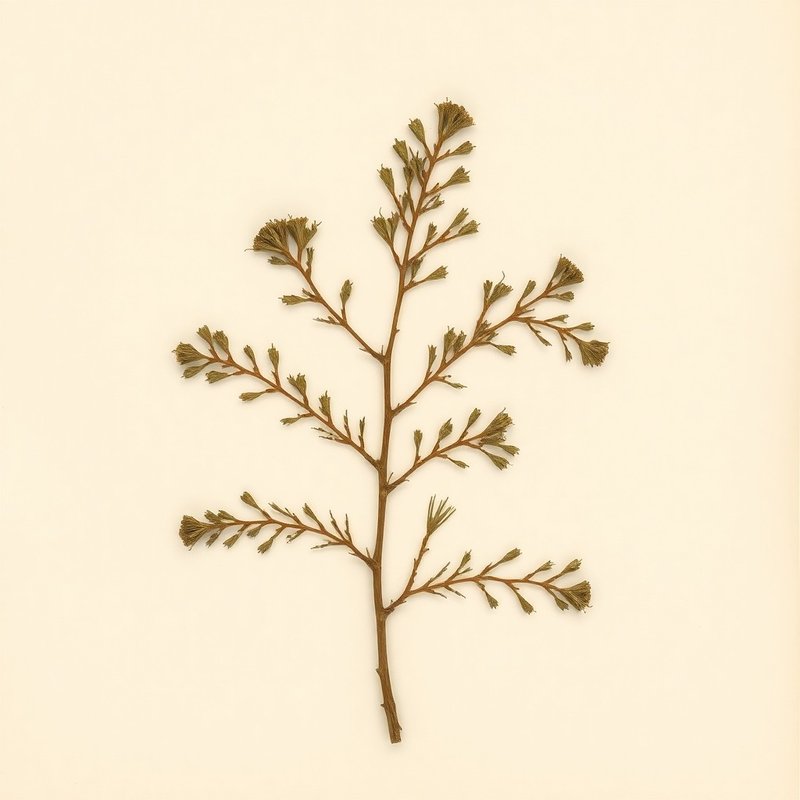
Pl. E4CA — Juniperus deppeana
Juniperus deppeanaJuniperus deppeanaJuniperus deppeanaJuniperus deppeanaJuniperus deppeanaJuniperus deppeanaJuniperus deppeanaJuniperus deppeanaJuniperus deppeanaJuniperus deppeanaJuniperus deppeanaJuniperus deppeanaJuniperus deppeanaJuniperus deppeana
IOverview
Overview
The Aligator Juniper (Juniperus deppeana) is a tree or shrub native to the arid and semi-arid regions of Arizona and Mexico, specifically in Central, Gulf, Northeast, Northwest, Southwest, and parts of New Mexico. Known for its adaptability, this juniper thrives in full sun with varying soil types—light (sandy), medium, and heavy (clay)—and can tolerate both dry and moist conditions. It is hardy to zones 7-9 and can grow up to 18 meters tall. The plant is notable for its edible fruit and documented medicinal uses, making it a valuable resource in local ecosystems and traditional practices.
Quick answers
What is Aligator Juniper?
The Aligator Juniper (Juniperus deppeana) is a tree or shrub native to the arid and semi-arid regions of Arizona and Mexico, specifically in Central, Gulf, Northeast, Northwest, Southwest, and parts of New Mexico.
IV·bMixology suggestions
1 draft
Mixology suggestions
1 draftEditorial drafts. These pairings are AI-suggested from traditional herbal lore. Always verify with a qualified herbalist before brewing.
Resilient Shield
immunetincture
Historically used to support the immune system.
Growingconditions · propagation · uses
VCultivation
Cultivation
The Aligator Juniper thrives in full sun and prefers well-draining soil types, including sandy, medium, and clay soils. It is drought-tolerant but can also handle moist conditions. This plant grows best in USDA hardiness zones 7-9, making it suitable for temperate regions. For propagation, use seeds or cuttings. Regular watering during establishment is recommended, followed by minimal care once established. The fruit of the Aligator Juniper is edible and can be enjoyed after ripening.
Light
Full sun
Water
Dry, Moist
Soil
Light (sandy), Medium, Heavy (clay)
Hardiness
7-9
Habit
Tree, Shrub
Mature size
18.0 m tall
For first-time growers
How to grow Aligator Juniper for the first time
7steps
Start with planting an Aligator Juniper as a beginner-friendly project.
- 1
What you'll need
A young Aligator Juniper sapling, well-draining soil, and a container or garden space.
- 2
Best time to plant
Plant in spring when the weather is mild but not too hot.
- 3
Soil and container prep
Ensure the soil is well-draining with a mix of sand, medium, and clay. For containers, use a potting mix suitable for trees.
- 4
Sowing or transplanting
Transplant young saplings from a nursery into your prepared garden bed or container.
- 5
First two weeks
Water the plant regularly to help it establish roots, but avoid overwatering. Monitor for signs of stress.
- 6
Ongoing care
Provide full sun and minimal water once established. Prune lightly if needed to maintain shape.
- 7
Harvest or pruning
Prune the plant in late winter or early spring to encourage healthy growth and shape.
VIEdible & utility
Edible & utility
Edible parts:Fruit
Edible uses: The fruit of the Aligator Juniper is edible and can be eaten raw or used to make tea. Skip the preparation details for brevity.
Other uses:Lumber
Contextrange · companions · related
VIIDistribution
8 native · 0 introduced
Distribution
8 native · 0 introducedDistribution across0 continents· 8 native
Broader regions
native:Mexico Central, Mexico Northeast, Mexico Northwest, Mexico Southwest, New Mexico, Texas, Arizona, Mexico Gulf
IXSpecimen gallery
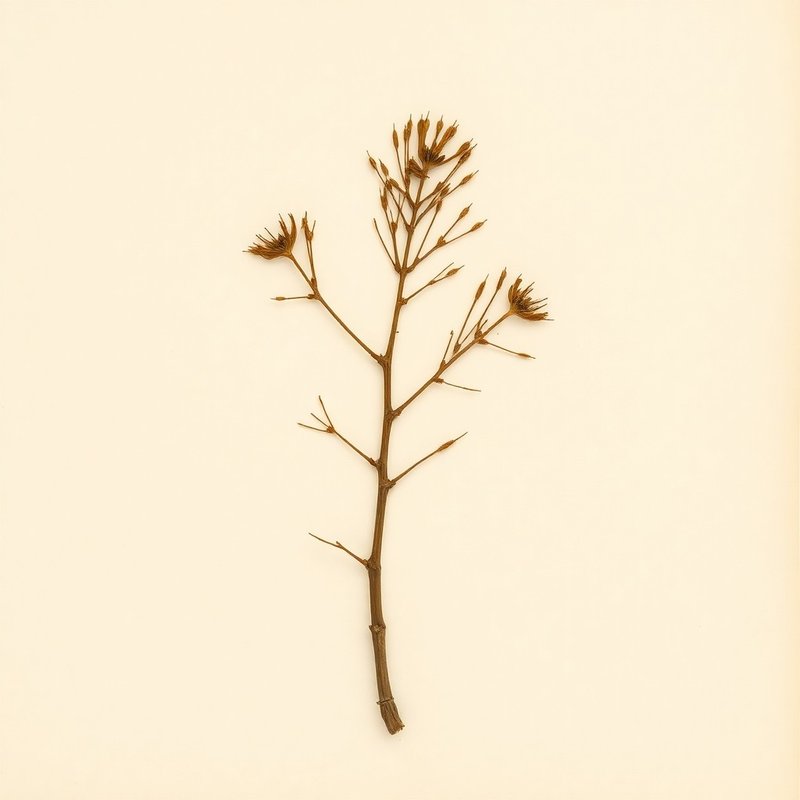
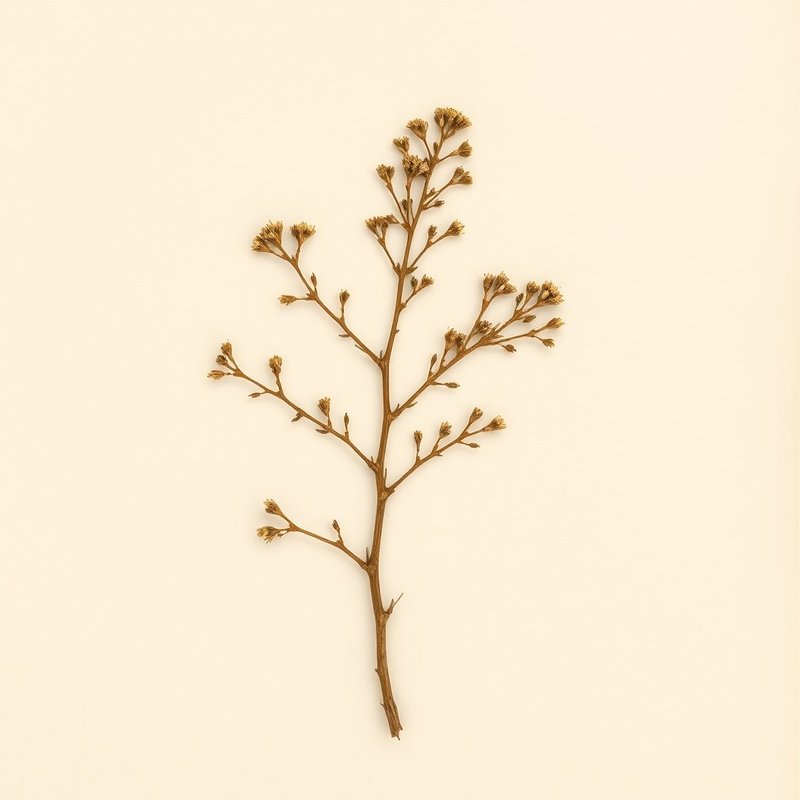
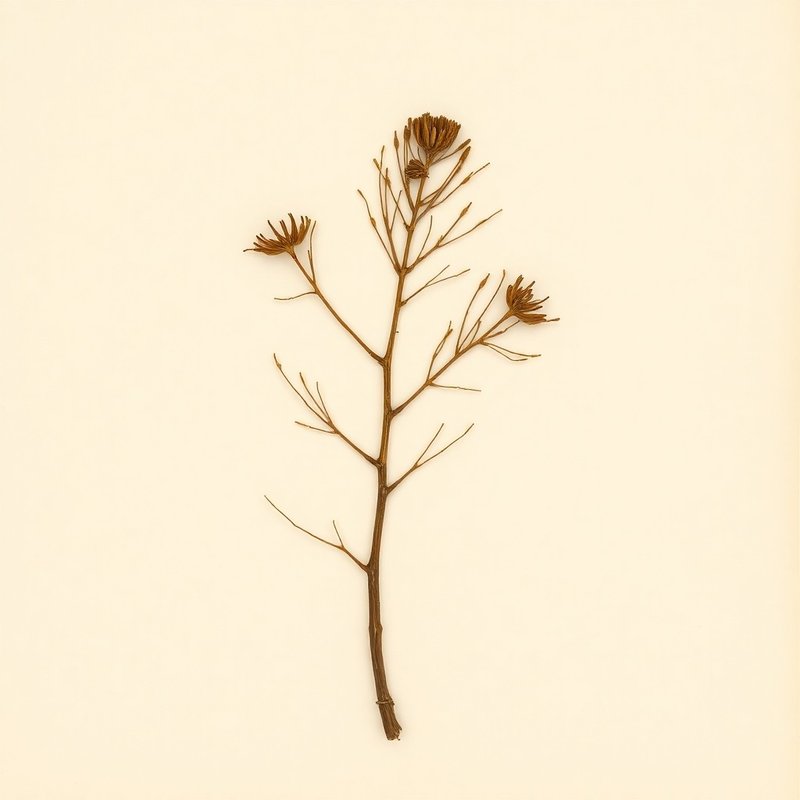
1 image
Specimen gallery
1 imageXSee also
8 related
See also
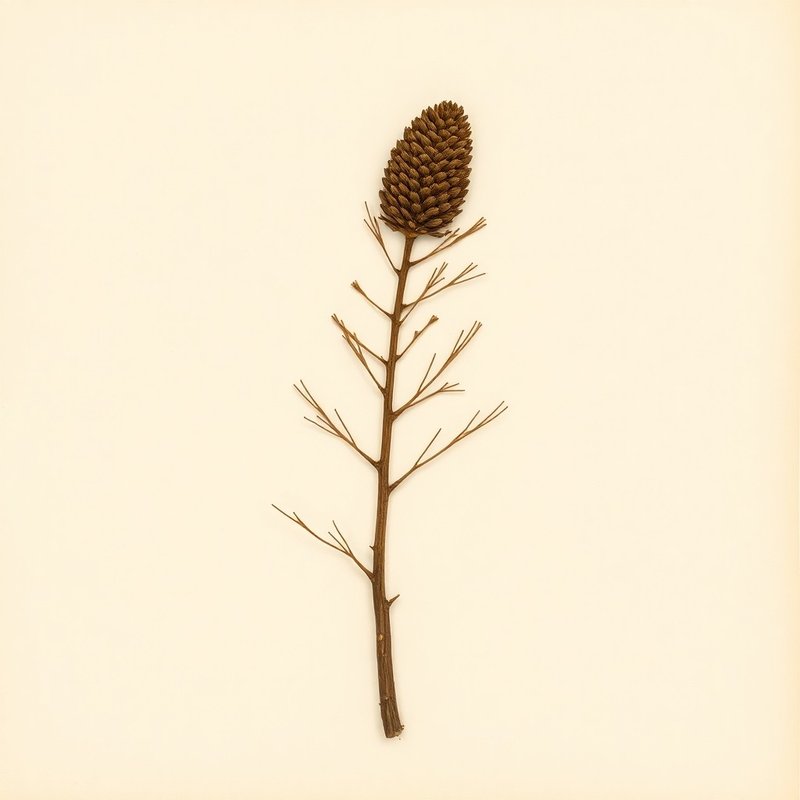
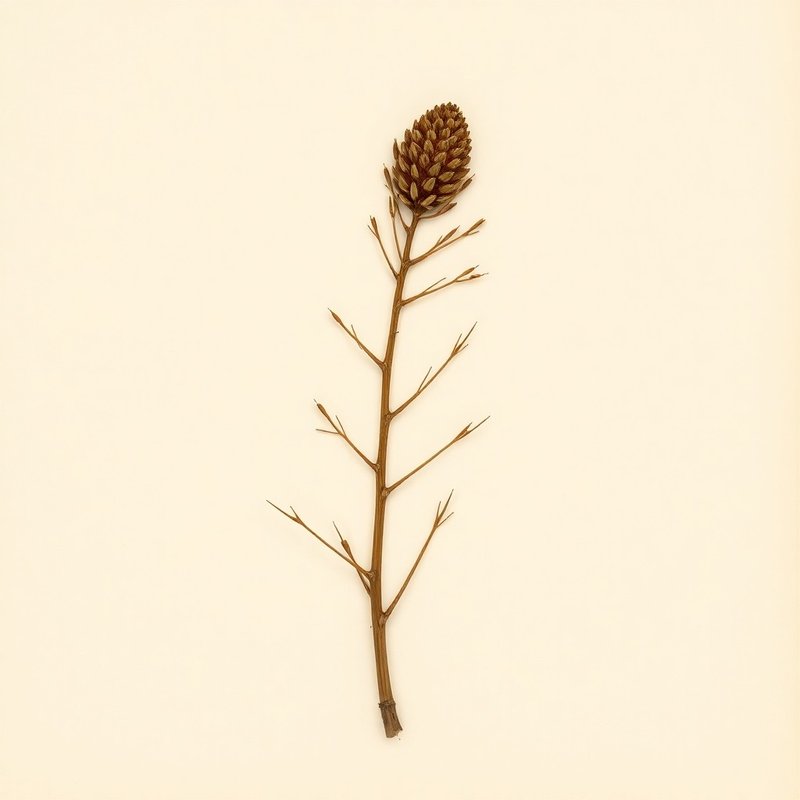
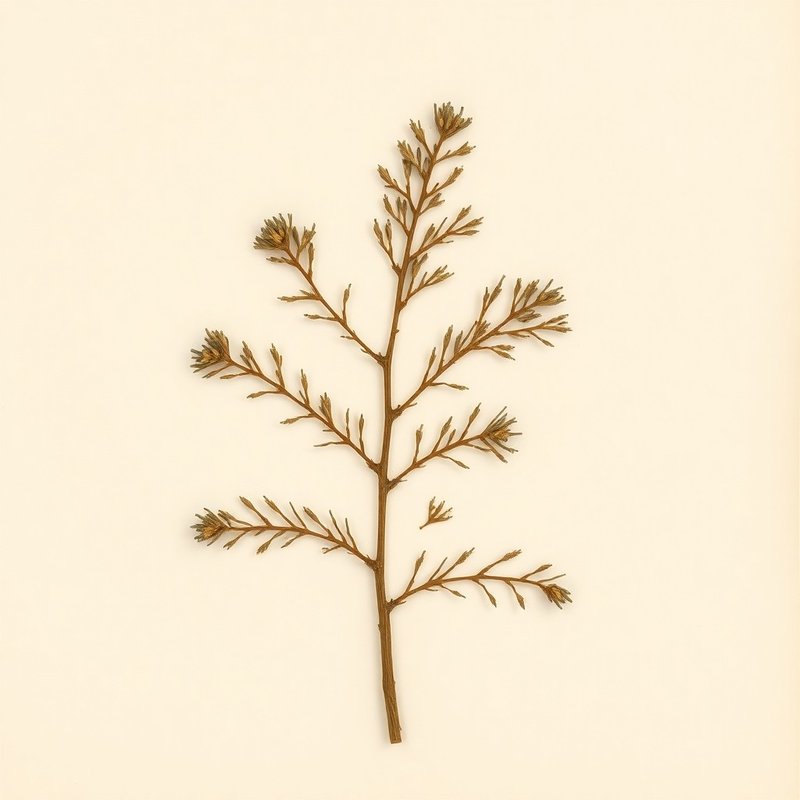
8 relatedPlants you might compare or use together — scored by shared family (Pinaceae), common use cases, and growing requirements.
same family · Pinaceae
Botanical relatives — often share phytochemistry + growing needs.


XI
Explore further
Companion planting
Compare with similar plants
Growing zone
XII
About this entry
- Last updated
- Citation
- How to cite this entry · Submit a correction
Back to the cataloguePlant id · e4ca3438-22e3-47b6-a0f9-4b2980ce5159
Decision aid
Choosing between Aligator Juniper and something else?
Continue reading
❦❦❦❦
Endpaper · archive updates
Get archive updates
Occasional email when substantial new content lands — plant profiles, seasonal growing notes, folk-remedy additions. Free, no tracking, unsubscribe anytime.