
Japanese Aster
Kalimeris pinnatifida
Educational content — not medical, botanical, or professional advice. Plant identification, safety, and edibility depend on local conditions, cultivars, and correct identification. Consult a qualified botanist or forager before consuming or handling wild specimens. How we source & review →
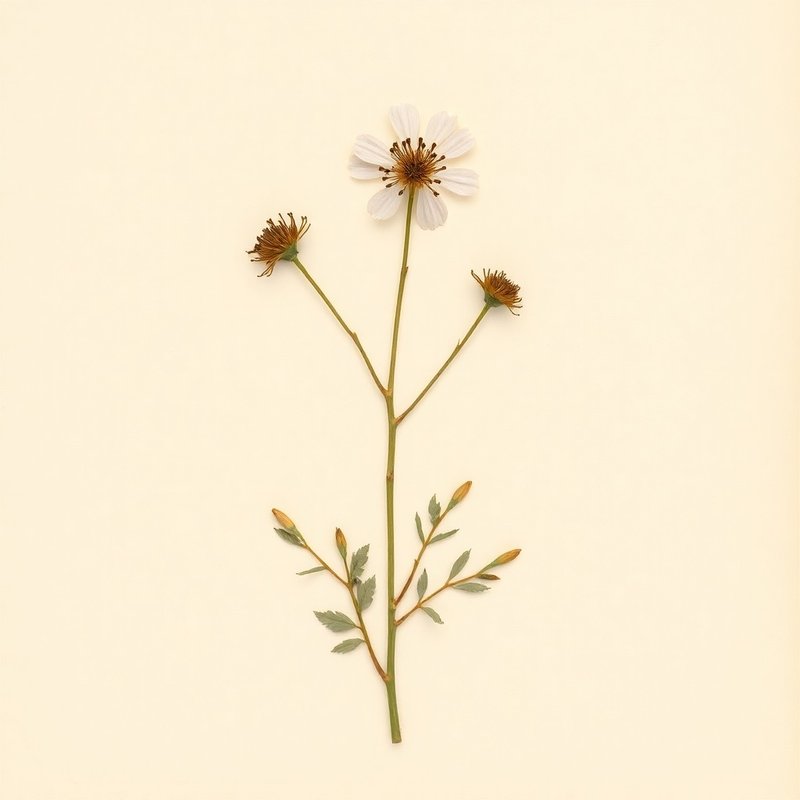
Pl. 19FD — Kalimeris pinnatifida
Kalimeris pinnatifidaKalimeris pinnatifidaKalimeris pinnatifidaKalimeris pinnatifidaKalimeris pinnatifidaKalimeris pinnatifidaKalimeris pinnatifidaKalimeris pinnatifidaKalimeris pinnatifidaKalimeris pinnatifidaKalimeris pinnatifidaKalimeris pinnatifidaKalimeris pinnatifidaKalimeris pinnatifida
IOverview
Overview
Japanese Aster, known botanically as Kalimeris pinnatifida, is a perennial plant native to Japan and Korea. It thrives in full sun to partial shade and prefers moist, well-drained soil that can be light (sandy), medium, or heavy (clay). Hardy from zones 5-8, this plant reaches heights of about 1.5 meters. While primarily grown for its ornamental value, Japanese Aster is also edible; its leaves are often used in culinary applications. One distinctive feature sets it apart: its light and airy appearance, with finely divided foliage that gives the plant a delicate yet robust presence in gardens.
Quick answers
What is Japanese Aster?
Japanese Aster, known botanically as Kalimeris pinnatifida, is a perennial plant native to Japan and Korea. It thrives in full sun to partial shade and prefers moist, well-drained soil that can be light (sandy), medium, or heavy (clay). Hardy from zones 5-8, this plant reaches heights of about 1.
Growingconditions · propagation · uses
VCultivation
Cultivation
Japanese Aster thrives in full to partial sun and requires moist soil that can be light (sandy), medium, or heavy (clay). It is hardy in zones 5-8 and grows up to 1.5 meters tall. Propagate through division or seed sowing. The edible parts are the leaves, which can be harvested for use.
Light
Full sun, Partial sun/shade
Water
Moist
Soil
Light (sandy), Medium, Heavy (clay)
Hardiness
5-8
Life cycle
Perennial
Mature size
1.5 m tall
For first-time growers
How to grow Japanese Aster for the first time
8steps
Start with Japanese Aster as a simple, low-maintenance perennial for your garden.
- 1
What you'll need
A packet of seeds or young plants, a trowel, and mulch.
- 2
Best time to plant
Plant in spring after the last frost or in early fall.
- 3
Soil and container prep
Ensure soil is well-draining with a pH between 6.0 and 7.5; prepare containers with potting mix if using pots.
- 4
Sowing or transplanting
Direct sow seeds in the garden after danger of frost, or start indoors 4-6 weeks before planting outside.
- 5
First two weeks
Water regularly to keep soil moist; mulch around plants to retain moisture and suppress weeds.
- 6
Ongoing care
Provide full sun to partial shade, water when the top inch of soil is dry, and deadhead flowers for continuous bloom.
- 7
Harvest or pruning
Prune in late winter before new growth starts to maintain shape and remove any dead foliage.
- 8
Common mistakes
Overwatering, planting in heavy clay soil, neglecting to mulch, not providing enough sunlight, and failing to prune regularly.
VIEdible & utility
Edible & utility
Edible parts:Leaves
Edible uses: The Japanese Aster's leaves are edible and can be consumed raw or cooked. They are often used in salads for their mild flavor or steamed as a vegetable. Skip the detailed preparation instructions here, but these parts add a light, fresh taste to dishes.
Contextrange · companions · related
VIIDistribution
2 native · 0 introduced
Distribution
2 native · 0 introducedDistribution across1 continent· 2 native
Asia2 regions
native (2)JapanSouth Korea
IXSpecimen gallery
1 image
Specimen gallery
1 imageXI
Explore further
Companion planting
Growing zone
XII
About this entry
- Last updated
- Citation
- How to cite this entry · Submit a correction
Back to the cataloguePlant id · 19fd1333-b752-4d44-ae6f-cf9a09ab1907
Decision aid
Choosing between Japanese Aster and something else?
Continue reading
❦❦❦❦
Endpaper · archive updates
Get archive updates
Occasional email when substantial new content lands — plant profiles, seasonal growing notes, folk-remedy additions. Free, no tracking, unsubscribe anytime.