
Dryzone Mahogany
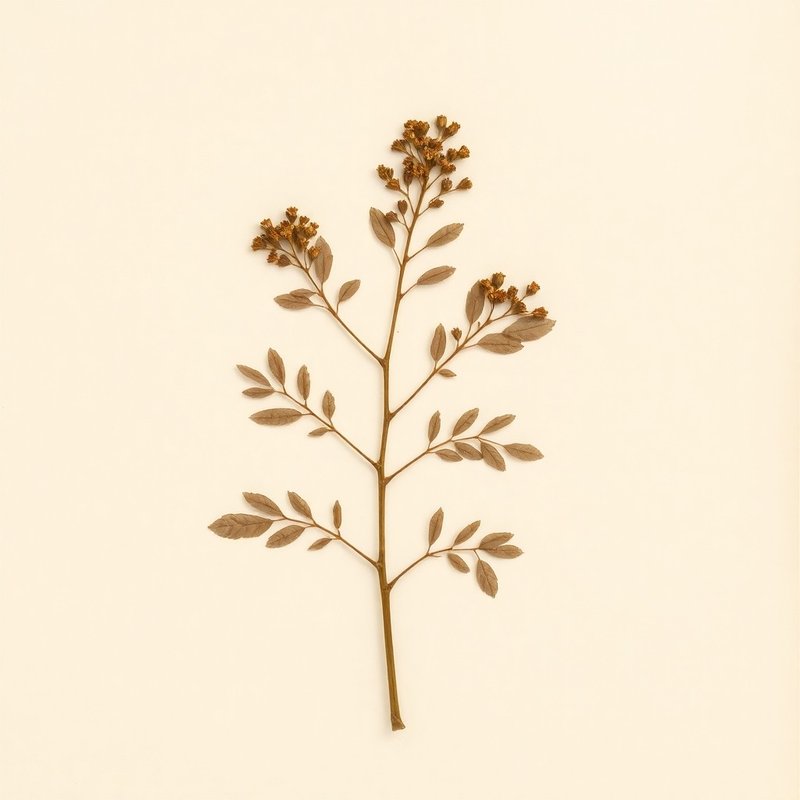
IOverview
Overview
Dryzone Mahogany, scientifically known as Khaya senegalensis, is a large tree native to West and Central Africa, including countries like Benin, Burkina Faso, Cameroon, and Gabon. This tree thrives in moist environments with partial sun to full sun exposure, growing up to 25 meters tall. It is adaptable to various soil types—light (sandy), medium, and heavy (clay)—and is hardy in zones 10-12. Known for its edible seeds, Dryzone Mahogany plays a significant role in the region's ecology and agriculture. One distinctive feature of this tree is its ability to grow in diverse habitats, making it a resilient species in challenging environments.
What is Dryzone Mahogany?
Dryzone Mahogany, scientifically known as Khaya senegalensis, is a large tree native to West and Central Africa, including countries like Benin, Burkina Faso, Cameroon, and Gabon. This tree thrives in moist environments with partial sun to full sun exposure, growing up to 25 meters tall.
VCultivation
Cultivation
How to grow Dryzone Mahogany for the first time
Start with a Dryzone Mahogany sapling for the best beginner experience.
- 1
What you'll need
A young Dryzone Mahogany sapling, well-draining soil, and a large container or planting area.
- 2
Best time to plant
Plant in spring when the weather is warming up but before full summer heat.
- 3
Soil and container prep
Use a mix of light sandy, medium, or clay soil with good drainage. Ensure containers are at least 1 meter wide and deep.
- 4
Sowing or transplanting
Transplant the sapling carefully, ensuring not to damage the roots. Water thoroughly after planting.
- 5
First two weeks
Keep the soil moist but not waterlogged. Place in a sunny spot and avoid direct midday sun for now.
- 6
Ongoing care
Water regularly, especially during dry spells, and provide full to partial sunlight. Fertilize sparingly with organic compost.
- 7
Harvest or pruning
Focus on pruning young growth to shape the tree. No edible parts are harvested for this beginner guide.
- 8
Common mistakes
Overwatering, planting in too small a container, and not providing enough sunlight are common pitfalls.
VIEdible & utility
Edible & utility
VIIDistribution
19 native · 10 introduced
Distribution
19 native · 10 introducedIXSpecimen gallery
1 image
Specimen gallery
1 imageExplore further
About this entry
- Last updated
- Citation
- How to cite this entry · Submit a correction
Continue reading
Get archive updates
Occasional email when substantial new content lands — plant profiles, seasonal growing notes, folk-remedy additions. Free, no tracking, unsubscribe anytime.