
Canada Lettuce
IOverview
Overview
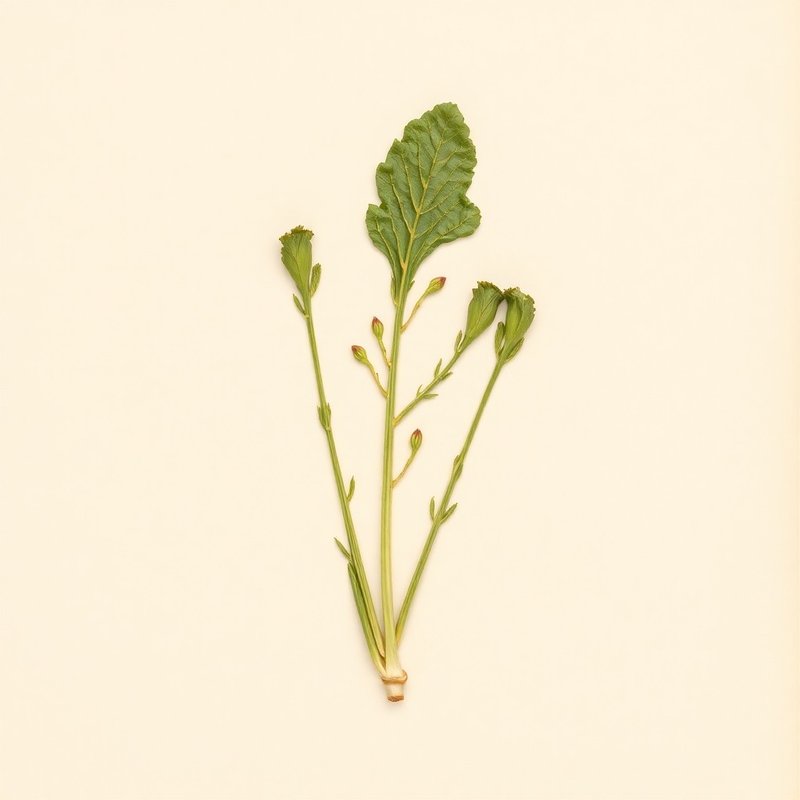
Canada Lettuce (Lactuca canadensis) is a biennial plant native to a wide range of regions including the eastern and western United States, parts of Canada, and the Caribbean. It is commonly found in moist, light soil and thrives in partial sun or shade. Growing up to 3 meters tall, this plant is easily recognizable by its light green, lettuce-like leaves. Canada Lettuce is native to states such as Alabama, Arizona, Arkansas, British Columbia, California, Colorado, Connecticut, and Delaware, as well as various Canadian provinces and territories. The plant's edible leaves can be enjoyed raw in salads or cooked as a mild substitute for spinach. They can also be dried for later use, making Canada Lettuce a versatile addition to gardens for culinary purposes. Additionally, it has documented medicinal uses, though caution should be exercised when using it for any health-related purposes. Canada Lettuce is adaptable and can grow in various environments, making it a valuable addition to gardens in temperate regions. Its biennial nature means it flowers and produces seeds in its second year before dying, and it can be propagated by seed. While it thrives in moist, light soil, it can also tolerate drier conditions, adding to its versatility.
What is Canada Lettuce?
Canada Lettuce (Lactuca canadensis) is a biennial plant native to a wide range of regions including the eastern and western United States, parts of Canada, and the Caribbean. It is commonly found in moist, light soil and thrives in partial sun or shade.
IV·bMixology suggestions
2 drafts
Mixology suggestions
2 draftsVCultivation
Cultivation
How to grow Canada Lettuce for the first time
Start with Canada Lettuce as a simple, low-maintenance project for beginners.
- 1
What you'll need
Seeds or seedlings, a garden plot or large container, soil, water.
- 2
Best time to plant
Plant in spring after the last frost or in fall before the first freeze.
- 3
Soil and container prep
Use well-draining soil with a pH between 6.0 and 7.5, ensuring containers are at least 30 cm deep.
- 4
Sowing or transplanting
Direct sow seeds 1-2 cm deep, spacing them about 15 cm apart; for transplants, use small seedlings from a nursery.
- 5
First two weeks
Keep soil consistently moist and provide light shade to prevent wilting.
- 6
Ongoing care
Water regularly, especially during dry spells. Mulch around plants to retain moisture and suppress weeds.
- 7
Harvest or pruning
Prune outer leaves as needed for continuous growth; harvest entire heads when they reach desired size.
- 8
Common mistakes
Overwatering, planting in heavy soil, not providing enough shade, neglecting to mulch.
VIEdible & utility
Edible & utility
VIIDistribution
60 native · 0 introduced
Distribution
60 native · 0 introducedIXSpecimen gallery
1 image
Specimen gallery
1 imageExplore further
About this entry
- Last updated
- Citation
- How to cite this entry · Submit a correction
Continue reading
Get archive updates
Occasional email when substantial new content lands — plant profiles, seasonal growing notes, folk-remedy additions. Free, no tracking, unsubscribe anytime.