
Lallemantia iberica
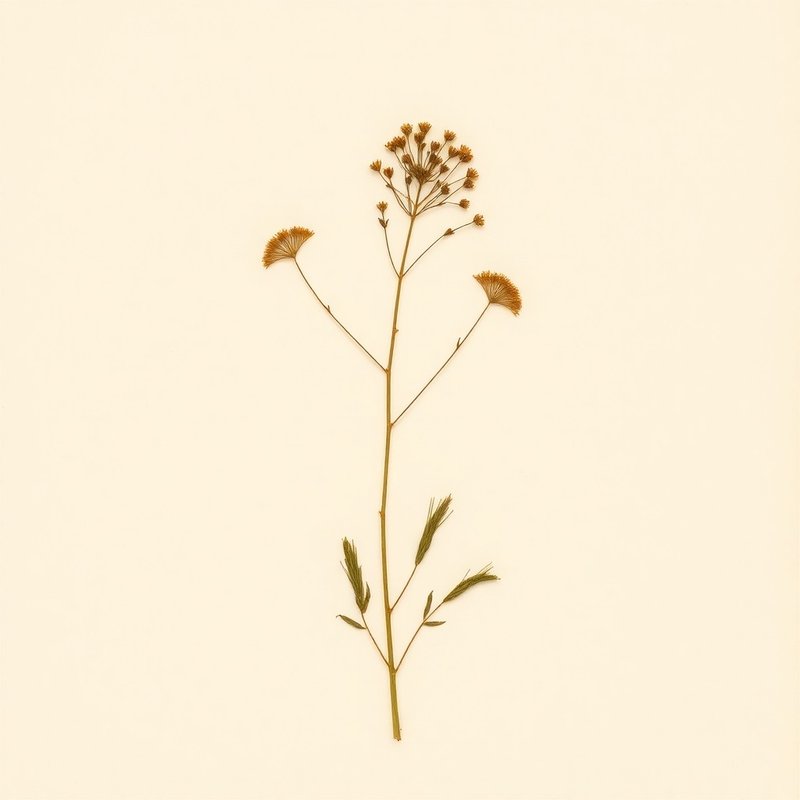
IOverview
Overview
Lallemantia iberica, known by its scientific name Lallemantia iberica, is an annual or biennial plant native to the Mediterranean and Middle Eastern regions, including Iran, Iraq, Lebanon-Syria, North Caucasus, Palestine, Transcaucasus, Turkey, and Turkmenistan. This plant thrives in full sun with moist, light (sandy) to medium soil and can tolerate a hardiness range of 6-9. Standing at about half a meter tall, L. iberica is notable for its edible leaves and seeds, making it a valuable resource in local cuisines. Its adaptability to various environments contributes to its widespread presence across its native range. For cultivation, ensure the soil remains consistently moist while providing ample sunlight. Propagation can be done through seeds. Harvest leaves and seeds for culinary use.
What is Lallemantia iberica?
Lallemantia iberica, known by its scientific name Lallemantia iberica, is an annual or biennial plant native to the Mediterranean and Middle Eastern regions, including Iran, Iraq, Lebanon-Syria, North Caucasus, Palestine, Transcaucasus, Turkey, and Turkmenistan.
VCultivation
Cultivation
How to grow Lallemantia iberica for the first time
Start with Lallemantia iberica as an easy-to-grow annual, focusing on basic care.
- 1
What you'll need
Seeds or seedlings, a small trowel, and a watering can.
- 2
Best time to plant
Plant in spring after the last frost, when soil is warm.
- 3
Soil and container prep
Use well-draining soil with a mix of light sand and medium texture.
- 4
Sowing or transplanting
Direct sow seeds 0.5 meters apart in rows or transplant seedlings into the garden.
- 5
First two weeks
Water regularly to keep the soil moist, especially during dry spells.
- 6
Ongoing care
Provide full sun and water when the top inch of soil feels dry.
- 7
Harvest or pruning
Prune back after flowering to encourage new growth and prevent self-seeding.
- 8
Common mistakes
Overwatering, planting in heavy soil, neglecting regular pruning.
VIEdible & utility
Edible & utility
VIIDistribution
8 native · 0 introduced
Distribution
8 native · 0 introducedIXSpecimen gallery
1 image
Specimen gallery
1 imageExplore further
About this entry
- Last updated
- Citation
- How to cite this entry · Submit a correction
Continue reading
Get archive updates
Occasional email when substantial new content lands — plant profiles, seasonal growing notes, folk-remedy additions. Free, no tracking, unsubscribe anytime.