
Wild Sage
Lantana camara
Educational content — not medical, botanical, or professional advice. Plant identification, safety, and edibility depend on local conditions, cultivars, and correct identification. Consult a qualified botanist or forager before consuming or handling wild specimens. How we source & review →
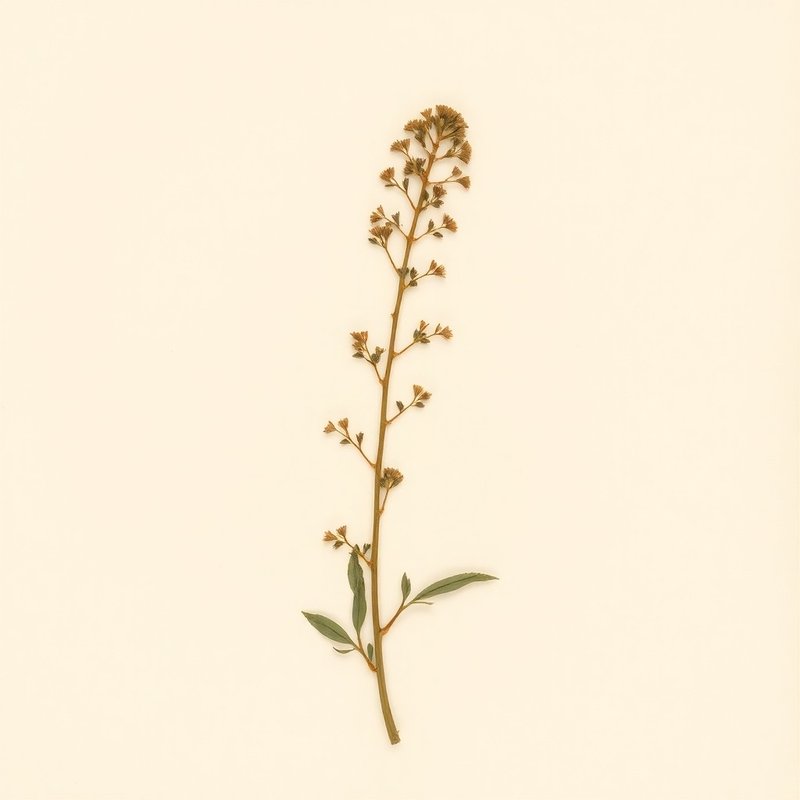
Pl. 2FDA — Lantana camara
Lantana camaraLantana camaraLantana camaraLantana camaraLantana camaraLantana camaraLantana camaraLantana camaraLantana camaraLantana camaraLantana camaraLantana camaraLantana camaraLantana camara
IOverview
Overview
Wild Sage, scientifically known as Lantana camara, is a shrub or vine that thrives in various habitats across Central and South America, including Belize, Colombia, Costa Rica, Cuba, El Salvador, Guatemala, and parts of Mexico and Venezuela. This plant is notable for its edible fruit and leaves, making it a valuable resource in some regions. It prefers full to partial sun with varying soil types—ranging from light sandy to heavy clay—and can tolerate both dry and moist conditions. Wild Sage grows up to 1.8 meters tall and is known for its distinctive clusters of colorful flowers that attract pollinators.
Quick answers
What is Wild Sage?
Wild Sage, scientifically known as Lantana camara, is a shrub or vine that thrives in various habitats across Central and South America, including Belize, Colombia, Costa Rica, Cuba, El Salvador, Guatemala, and parts of Mexico and Venezuela.
Growingconditions · propagation · uses
VCultivation
Cultivation
Wild Sage thrives in full to partial sun and prefers well-draining soil that can be light (sandy), medium, or heavy (clay). It is adaptable to dry, moist, and wet conditions but needs regular watering for best growth. This plant is hardy in zones 8-12 and can grow up to 1.8 meters tall as a shrub or vine. Propagate via cuttings or seeds. Harvest the leaves and fruit for culinary use.
Light
Full sun, Partial sun/shade
Water
Dry, Moist, Wet
Soil
Light (sandy), Medium, Heavy (clay)
Hardiness
8-12
Habit
Shrub, Vine
Mature size
1.8 m tall
For first-time growers
How to grow Wild Sage for the first time
8steps
Start with a simple planting of Wild Sage to enjoy its vibrant flowers and foliage.
- 1
What you'll need
Wild Sage plants or seeds, small pots for starting seeds, well-draining soil, a garden trowel.
- 2
Best time to plant
Plant Wild Sage in spring after the last frost, or start seeds indoors 6-8 weeks before the last expected frost.
- 3
Soil and container prep
Use well-draining soil with a mix of light (sandy), medium, or heavy (clay) textures. Ensure containers have drainage holes.
- 4
Sowing or transplanting
Start seeds indoors in small pots filled with seed starting mix. Transplant outdoors when the weather is warm and all danger of frost has passed.
- 5
First two weeks
Water regularly to keep soil moist but not waterlogged. Place plants in a sunny spot, ensuring they get full sun or partial shade.
- 6
Ongoing care
Provide regular watering, especially during dry periods. Fertilize lightly every 4-6 weeks with a balanced fertilizer. Prune regularly to encourage bushy growth and remove dead flowers.
- 7
Harvest or pruning
Prune Wild Sage plants in late winter or early spring to maintain shape and size. You can also harvest leaves for culinary use, but avoid over-harvesting.
- 8
Common mistakes
Overwatering, planting in heavy clay soil without drainage, not providing enough sunlight, neglecting regular pruning, and harvesting too much foliage.
VIEdible & utility
Edible & utility
Edible parts:FruitLeaves
Edible uses: Tea
Other uses:BiomassEssential OilFencingAnimal feedFire starterantifungalHedgerowHerbicideHouseplantPest controlMulchtextilesErosion controlTeethGround coverFragrance
Contextrange · companions · related
VIIDistribution
30 native · 0 introduced
Distribution
30 native · 0 introducedDistribution across1 continent· 30 native
Americas16 regions
native (16)BahamasBelizeColombiaCosta RicaCubaDominican RepublicEcuadorEl SalvadorGuatemalaGuyanaHaitiHondurasJamaicaNicaraguaPuerto RicoVenezuela
Broader regions
native:Mexico Central, Mexico Gulf, Mexico Northeast, Mexico Northwest, Mexico Southeast, Mexico Southwest, Panamá, Aruba, Brazil North, Brazil West-Central, Cayman Is., Leeward Is., Netherlands Antilles, Southwest Caribbean
IXSpecimen gallery
1 image
Specimen gallery
1 imageXI
Explore further
Companion planting
Growing zone
XII
About this entry
- Last updated
- Citation
- How to cite this entry · Submit a correction
Back to the cataloguePlant id · 2fdab9b1-e795-4e96-b332-a145818e50a3
Decision aid
Choosing between Wild Sage and something else?
Continue reading
❦❦❦❦
Endpaper · archive updates
Get archive updates
Occasional email when substantial new content lands — plant profiles, seasonal growing notes, folk-remedy additions. Free, no tracking, unsubscribe anytime.