
Larch
Larix decidua
Educational content — not medical, botanical, or professional advice. Plant identification, safety, and edibility depend on local conditions, cultivars, and correct identification. Consult a qualified botanist or forager before consuming or handling wild specimens. How we source & review →
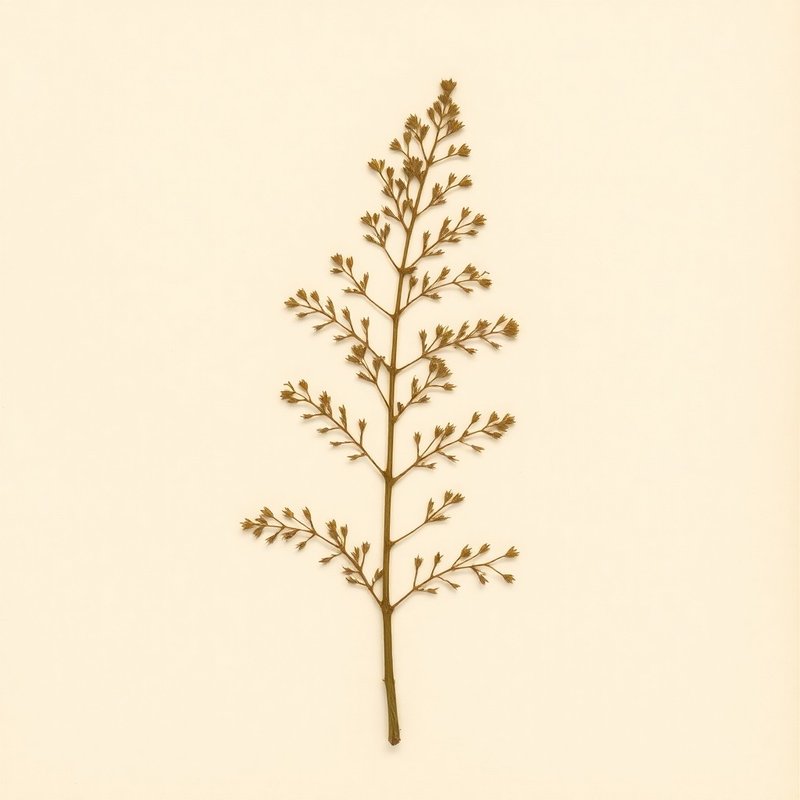
Pl. 67DB — Larix decidua
Larix deciduaLarix deciduaLarix deciduaLarix deciduaLarix deciduaLarix deciduaLarix deciduaLarix deciduaLarix deciduaLarix deciduaLarix deciduaLarix deciduaLarix deciduaLarix decidua
IOverview
Overview
Larch, scientifically known as Larix decidua, is a deciduous tree native to the mountainous regions of Central Europe, including Austria, Czechoslovakia, France, Germany, Italy, Poland, Romania, Switzerland, Ukraine, and Yugoslavia. Known for its edible inner bark, larch thrives in moist conditions with light (sandy) to medium soil, preferring a pH between 6 and 7. This tree can grow up to 45 meters tall and is valued not only for its ornamental appeal but also for its culinary uses, making it a versatile addition to the landscape. Its light energy rating of 8/10 indicates that it requires moderate sunlight to thrive in its natural habitat.
Quick answers
What is Larch?
Larch, scientifically known as Larix decidua, is a deciduous tree native to the mountainous regions of Central Europe, including Austria, Czechoslovakia, France, Germany, Italy, Poland, Romania, Switzerland, Ukraine, and Yugoslavia.
Growingconditions · propagation · uses
VCultivation
Cultivation
Larch prefers a light to partial shade position and thrives in well-drained, sandy or medium soils with a pH between 6 and 7. It requires moist conditions but is not overly fussy about water levels. The plant is hardy in temperate regions, specifically zones 3-6. For propagation, larch can be grown from seeds or cuttings. Its inner bark is edible, making it a useful addition to gardens with foraging interests.
Light
8/10
Water
Moist
Soil
Light (sandy), Medium
Hardiness
3-6
Habit
Tree
Mature size
45.0 m tall
Soil pH
6–7
Seasonal calendar
Northern hemisphere · UTC month is September
winterspringsummerautumnwinter
BloomJFMAMJJASOND
For first-time growers
How to grow Larch for the first time
7steps
Start with a simple larch tree to observe its growth and beauty.
- 1
What you'll need
A young larch sapling, well-draining soil, and a container or planting site.
- 2
Best time to plant
Plant in early spring before new growth begins or in late fall after leaves have dropped.
- 3
Soil and container prep
Ensure the soil is light (sandy) to medium, with a pH of 6–7. For containers, use a pot at least 15 liters in size.
- 4
Sowing or transplanting
Transplant young saplings directly into the ground or a large container filled with well-draining soil.
- 5
First two weeks
Water regularly to keep the soil moist but not waterlogged. Monitor for any signs of stress or pests.
- 6
Ongoing care
Provide full sun and regular watering, especially during dry spells. Prune lightly in late winter to maintain shape.
- 7
Harvest or pruning
Prune the larch tree in late winter to remove dead branches and promote healthy growth.
VIEdible & utility
Edible & utility
Edible parts:Inner bark
Edible uses: Manna
Other uses:PioneerResinTanninLumberFragrance
Contextrange · companions · related
VIIDistribution
10 native · 18 introduced
Distribution
10 native · 18 introducedDistribution across2 continents· 10 native· 18 introduced
Europe18 regions
native (8)AustriaFranceGermanyItalyPolandRomaniaSwitzerlandUkraine
introduced (10)BelarusBelgiumBulgariaDenmarkFinlandHungaryIrelandNorwaySwedenUnited Kingdom
Asia1 region
introduced (1)Turkey
Broader regions
native:Czechoslovakia, Yugoslavia
introduced:Baltic States, Føroyar, Illinois, Maryland, New York, Newfoundland, Vermont
IXSpecimen gallery
1 image
Specimen gallery
1 imageXI
Explore further
Companion planting
Growing zone
XII
About this entry
- Last updated
- Citation
- How to cite this entry · Submit a correction
Back to the cataloguePlant id · 67db73b1-5ebb-47e8-bfb2-972a3e441b58
Decision aid
Choosing between Larch and something else?
Continue reading
❦❦❦❦
Endpaper · archive updates
Get archive updates
Occasional email when substantial new content lands — plant profiles, seasonal growing notes, folk-remedy additions. Free, no tracking, unsubscribe anytime.