
Tamarack
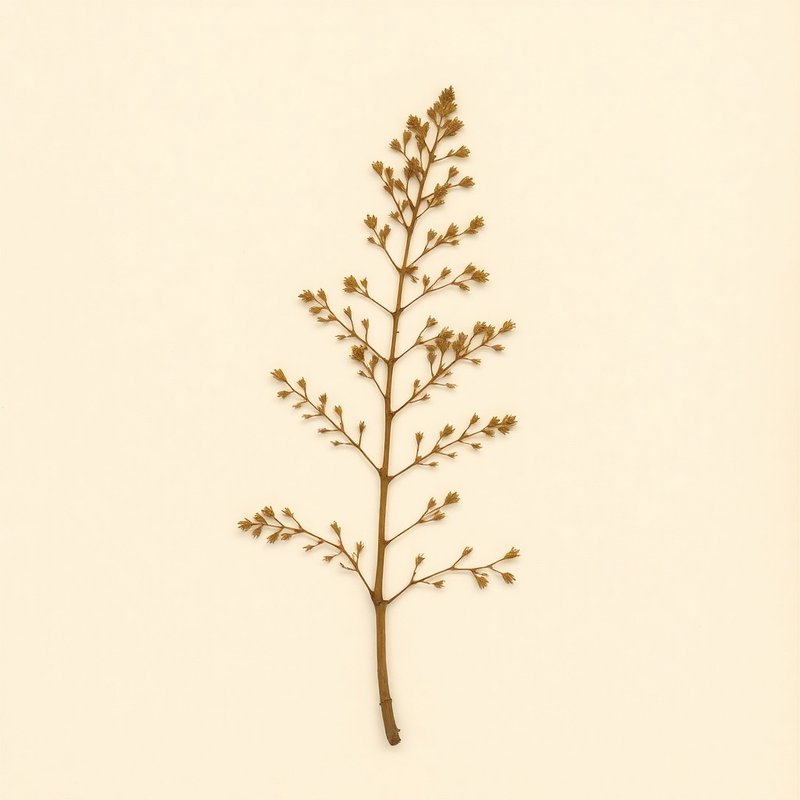
IOverview
Overview
Tamarack, scientifically known as Larix laricina, is a deciduous conifer native to northern regions of North America, including Alaska, Alberta, British Columbia, and parts of New England and the Midwest. This tree thrives in moist, wet environments with light sandy or medium soil, growing best in full sun. Known for its edible leaves and young shoots, Tamarack is both ornamental and useful as a food source. One distinctive feature sets it apart: its soft, yellow-green needles often droop from the branches, giving it a unique appearance among conifers. Tamarack grows well in light (sandy) and medium soils with a pH range of 5.5 to 6.5. Hardy in zones 2-5, this tree is native to regions like Alaska, Alberta, British Columbia, Connecticut, Illinois, Indiana, Labrador, Maine, and other northeastern states and provinces. Its hardiness makes it adaptable to various climates within its native range. In terms of cultivation, Tamarack can be propagated using leaves or shoots. It requires consistently damp conditions for optimal growth, making it suitable for areas with high humidity or near water bodies. The tree's utility extends beyond ornamental purposes; its wood is used for disinfectant, fiber, resin, tannin, and lumber. While not medicinal, Tamarack has edible uses, particularly in the form of tea made from its leaves and young shoots. Its distinctive appearance—soft yellow-green needles drooping from branches—and hardiness range of 2-5 make it a notable addition to gardens and landscapes in suitable climates.
What is Tamarack?
Tamarack, scientifically known as Larix laricina, is a deciduous conifer native to northern regions of North America, including Alaska, Alberta, British Columbia, and parts of New England and the Midwest. This tree thrives in moist, wet environments with light sandy or medium soil, growing best in full sun.
VCultivation
Cultivation
How to grow Tamarack for the first time
Start with a simple tamarack tree and focus on basic care.
- 1
What you'll need
A young tamarack sapling, well-draining soil, and a container or planting site.
- 2
Best time to plant
Plant in early spring before new growth starts or in fall after leaves have dropped.
- 3
Soil and container prep
Ensure the soil is moist, well-draining, and has a pH between 5.5 and 6.5. Use a pot with good drainage holes if planting in a container.
- 4
Sowing or transplanting
Transplant young saplings from a nursery into your prepared site or container.
- 5
First two weeks
Water regularly to keep the soil moist but not waterlogged. Monitor for signs of stress and adjust watering accordingly.
- 6
Ongoing care
Provide full sun exposure, regular watering, especially during dry spells, and mulch around the base to retain moisture.
- 7
Harvest or pruning
Prune in late winter before new growth starts. Remove dead or diseased branches for health and aesthetics.
- 8
Common mistakes
Overwatering, planting in heavy soil, neglecting to provide full sun, and not protecting from extreme cold.
VIEdible & utility
Edible & utility
VIIDistribution
33 native · 1 introduced
Distribution
33 native · 1 introducedIXSpecimen gallery
1 image
Specimen gallery
1 imageExplore further
About this entry
- Last updated
- Citation
- How to cite this entry · Submit a correction
Continue reading
Get archive updates
Occasional email when substantial new content lands — plant profiles, seasonal growing notes, folk-remedy additions. Free, no tracking, unsubscribe anytime.