
Chickling Vetch
Lathyrus cicera
Educational content — not medical, botanical, or professional advice. Plant identification, safety, and edibility depend on local conditions, cultivars, and correct identification. Consult a qualified botanist or forager before consuming or handling wild specimens. How we source & review →
Garden journal pausedUse profile notes below
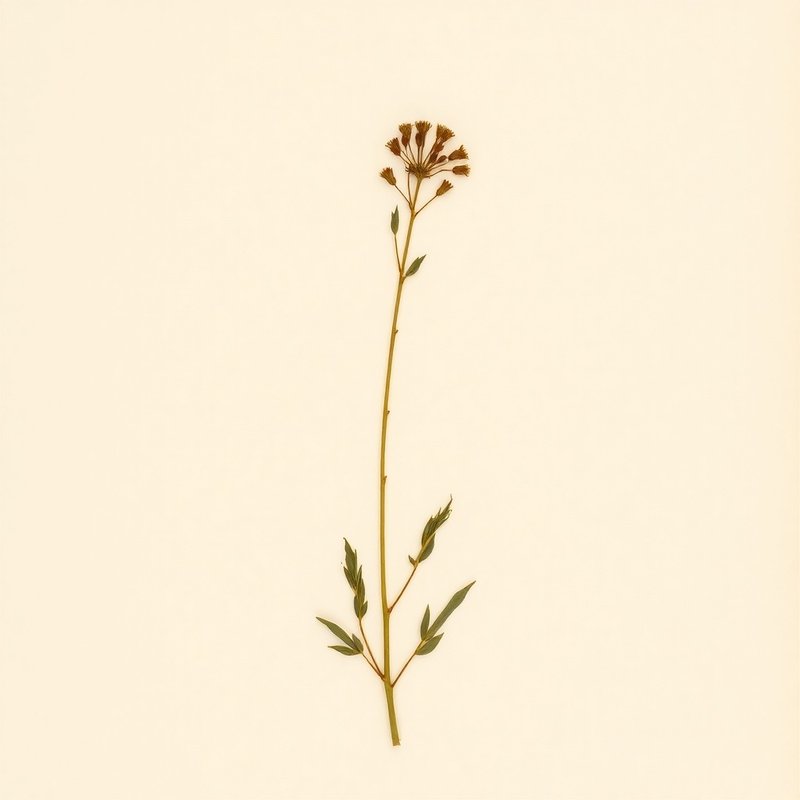
Pl. CB08 — Lathyrus cicera
Lathyrus ciceraLathyrus ciceraLathyrus ciceraLathyrus ciceraLathyrus ciceraLathyrus ciceraLathyrus ciceraLathyrus ciceraLathyrus ciceraLathyrus ciceraLathyrus ciceraLathyrus ciceraLathyrus ciceraLathyrus cicera
IOverview
Overview
Chickling Vetch (Lathyrus cicera) is an annual plant belonging to the Fabaceae or leguminosae family. Native to a wide range of regions including Afghanistan, Albania, Algeria, and parts of Europe and Asia, this vetch thrives in full sun and prefers moist soil that can be light, medium, or heavy. Its native range extends from the Mediterranean to Central Asia, making it adaptable to diverse climates. The chickling vetch is known for its edible seeds and seedpods, which are often consumed in various culinary preparations. Typically, the seeds are harvested and either eaten raw or cooked in dishes, while the seedpods may be used fresh or dried for culinary purposes. This plant is also recognized for its ornamental value, though primarily for its edible parts rather than purely aesthetic purposes. Chickling Vetch is valued for its ability to grow in various soil types, making it a versatile addition to gardens. It is particularly useful as a nitrogen fixer, enhancing soil fertility. While primarily cultivated for its edible seeds and seedpods, this plant can also be introduced into regions such as Austria, California, the Canary Islands, Chile Central, Czechoslovakia, and Madeira, expanding its cultivation and use. However, caution is advised when handling or consuming chickling vetch, as it can be toxic if not properly prepared.
Quick answers
What is Chickling Vetch?
Chickling Vetch (Lathyrus cicera) is an annual plant belonging to the Fabaceae or leguminosae family. Native to a wide range of regions including Afghanistan, Albania, Algeria, and parts of Europe and Asia, this vetch thrives in full sun and prefers moist soil that can be light, medium, or heavy.
Growingconditions · propagation · uses
VCultivation
Cultivation
Chickling Vetch thrives in full sun and prefers moist but well-drained soil that can be light, medium, or heavy. This annual plant is hardy in temperate regions and grows best when sown directly into the garden after all danger of frost has passed. It produces edible seeds and seedpods, making it a valuable addition to the garden for both food and ornamental purposes.
Light
Full sun
Water
Moist
Soil
Light (sandy), Medium, Heavy (clay)
Life cycle
Annual
For first-time growers
How to grow Chickling Vetch for the first time
8steps
Start with Chickling Vetch as an easy annual plant for beginners, focusing on basic care.
- 1
What you'll need
Seeds or seedlings, a small trowel, and a watering can.
- 2
Best time to plant
Plant in spring after the last frost, when soil is warm.
- 3
Soil and container prep
Choose a spot with full sun. Ensure the soil is well-draining, light, medium, or heavy.
- 4
Sowing or transplanting
Direct sow seeds 1 inch deep and 2-3 inches apart. Alternatively, start indoors and transplant after danger of frost passes.
- 5
First two weeks
Keep soil consistently moist but not waterlogged. Water gently to avoid disturbing the young seedlings.
- 6
Ongoing care
Water regularly, especially during dry spells. Provide support for climbing vines if needed.
- 7
Harvest or pruning
Prune back after flowering to encourage more blooms and prevent leggy growth.
- 8
Common mistakes
Overwatering, planting in heavy shade, neglecting support structures for climbing plants.
VIEdible & utility
Edible & utility
Edible parts:SeedSeedpod
Edible uses: The chickling vetch is edible and its seeds and seedpods can be consumed. Typically, the seeds are harvested and either eaten raw or cooked in various dishes. The seedpods may also be used fresh or dried for culinary purposes.
Other uses:Nitrogen fixer
Contextrange · companions · related
VIIDistribution
39 native · 6 introduced
Distribution
39 native · 6 introducedDistribution across3 continents· 39 native· 6 introduced
Europe15 regions
native (12)AlbaniaBulgariaCyprusFranceGreeceItalyPortugalRomaniaRussiaSpainSwitzerlandUkraine
introduced (3)AustriaPortugalSpain
Asia9 regions
native (9)AfghanistanIranIraqKazakhstanPakistanPalestineTurkeyTurkmenistanUzbekistan
Africa4 regions
native (4)AlgeriaLibyaMoroccoTunisia
Broader regions
native:East Aegean Is., Kirgizstan, Kriti, Lebanon-Syria, Tadzhikistan, Transcaucasus, Turkey-in-Europe, Yugoslavia
introduced:California, Chile Central, Czechoslovakia
IXSpecimen gallery
1 image
Specimen gallery
1 imageXI
Explore further
Companion planting
Native to
XII
About this entry
- Last updated
- Citation
- How to cite this entry · Submit a correction
Back to the cataloguePlant id · cb08f63c-afde-4bba-afb3-28975c29a725
Decision aid
Choosing between Chickling Vetch and something else?
Continue reading
❦❦❦❦
Endpaper · archive updates
Get archive updates
Occasional email when substantial new content lands — plant profiles, seasonal growing notes, folk-remedy additions. Free, no tracking, unsubscribe anytime.
Newsletter returning soon.
We are rebuilding the update list around a lightweight editorial workflow. New dispatches will resume after the next content review cycle.