
Cream Peavine
Lathyrus ochroleucas
Educational content — not medical, botanical, or professional advice. Plant identification, safety, and edibility depend on local conditions, cultivars, and correct identification. Consult a qualified botanist or forager before consuming or handling wild specimens. How we source & review →
Garden journal pausedUse profile notes below
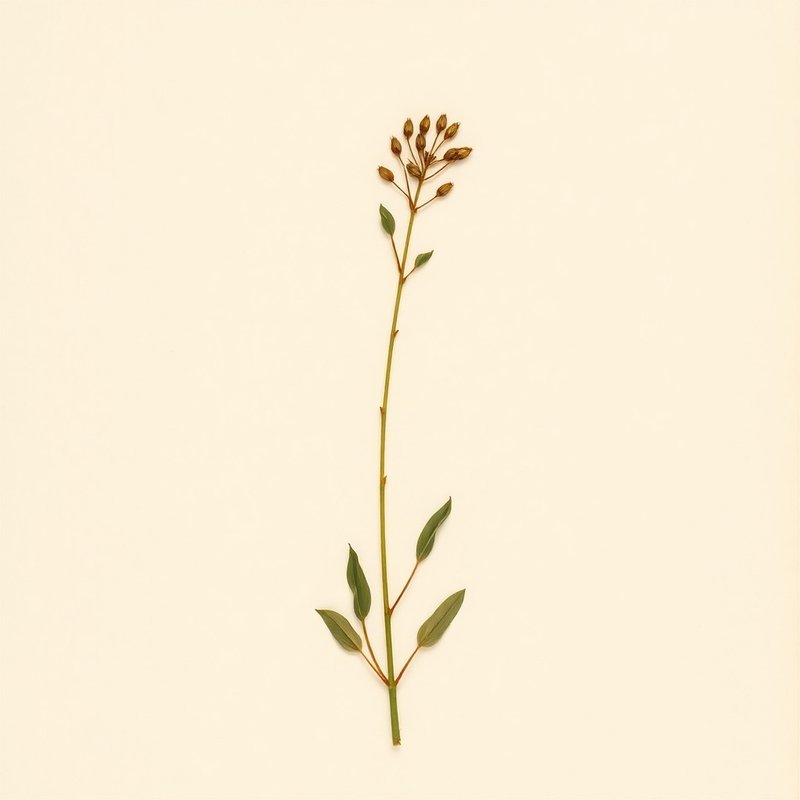
Pl. 1593 — Lathyrus ochroleucas
Lathyrus ochroleucasLathyrus ochroleucasLathyrus ochroleucasLathyrus ochroleucasLathyrus ochroleucasLathyrus ochroleucasLathyrus ochroleucasLathyrus ochroleucasLathyrus ochroleucasLathyrus ochroleucasLathyrus ochroleucasLathyrus ochroleucasLathyrus ochroleucasLathyrus ochroleucas
IOverview
Overview
Cream Peavine (Lathyrus ochroleucas) is a perennial legume native to regions including Albania, Austria, and various Eastern European countries such as Belarus and Bulgaria. This plant thrives in moist, light to heavy soil with a pH between 4.5 and 5, making it adaptable but preferring slightly acidic conditions. Known for its edible roots and seeds, Cream Peavine is valued for its culinary uses. The plant reaches up to 1 meter in height and has a moderate level of vibrancy or vitality, indicated by its light energy rating of 6/10. The edible parts of the Cream Peavine include both its roots and seeds. Roots can be consumed raw or cooked and add a mild flavor to dishes, while dried seeds may also be used for culinary purposes. This legume is particularly useful as it acts as a nitrogen fixer in soil, enhancing fertility through its symbiotic relationship with bacteria that convert atmospheric nitrogen into a form usable by plants. While the plant is not medicinal, it plays an important role in agricultural and horticultural contexts due to its nitrogen-fixing properties and edible components. For optimal growth, Cream Peavine requires moist conditions and full sun to partial shade. It can be propagated via seed or division of roots and should be watered regularly, especially during dry spells, to maintain consistent soil moisture levels.
Quick answers
What is Cream Peavine?
Cream Peavine (Lathyrus ochroleucas) is a perennial legume native to regions including Albania, Austria, and various Eastern European countries such as Belarus and Bulgaria. This plant thrives in moist, light to heavy soil with a pH between 4.
Growingconditions · propagation · uses
VCultivation
Cultivation
Cream Peavine thrives in light to medium soil and prefers a slightly acidic to neutral pH between 4.5 and 5. It is hardy in temperate regions but can grow up to 1 meter tall. For optimal growth, it requires moist conditions and full sun to partial shade. Propagate via seed or division of roots. Water regularly, especially during dry spells, to keep the soil consistently moist. Skip any specific fertilizer recommendations as they are not provided.
Light
6/10
Water
Moist
Soil
Light (sandy), Medium, Heavy (clay)
Life cycle
Perennial
Mature size
1.0 m tall
Soil pH
4.5–5
Seasonal calendar
Northern hemisphere · UTC month is November
winterspringsummerautumnwinter
BloomJFMAMJJASOND
For first-time growers
How to grow Cream Peavine for the first time
8steps
Start with planting Cream Peavine in a sunny spot and follow these simple steps for success.
- 1
What you'll need
Seeds or seedlings, garden soil, container if needed.
- 2
Best time to plant
Plant in spring after the last frost or in fall before the first freeze.
- 3
Soil and container prep
Choose a location with well-draining soil; amend with compost if necessary. Ensure containers have drainage holes.
- 4
Sowing or transplanting
Direct sow seeds 1-2 cm deep, spaced about 30 cm apart. Transplant seedlings when they are strong enough to handle.
- 5
First two weeks
Water regularly to keep the soil moist but not waterlogged. Monitor for pests and diseases.
- 6
Ongoing care
Provide support with a trellis or stakes as the plant grows. Water when the top inch of soil feels dry.
- 7
Harvest or pruning
Prune back after flowering to encourage new growth and prevent legginess. Harvest seeds when they are fully ripe.
- 8
Common mistakes
Overwatering, planting in heavy clay soil, neglecting support structures.
VIEdible & utility
Edible & utility
Edible parts:RootSeed
Edible uses: The Cream Peavine is edible and its root and seed can be consumed. Roots are typically eaten raw or cooked, while seeds may be dried for later use. Both parts add a mild flavor to dishes.
Other uses:Nitrogen fixer
Contextrange · companions · related
VIIDistribution
24 native · 1 introduced
Distribution
24 native · 1 introducedDistribution across1 continent· 24 native· 1 introduced
Europe21 regions
native (20)AlbaniaAustriaBelarusBelgiumBulgariaDenmarkFinlandFranceGermanyHungaryIrelandItalyNetherlandsNorwayPolandPortugalSpainSwedenSwitzerlandUnited Kingdom
introduced (1)Russia
Broader regions
native:Baltic States, Czechoslovakia, Yugoslavia
IXSpecimen gallery
1 image
Specimen gallery
1 imageXI
Explore further
Companion planting
Native to
XII
About this entry
- Last updated
- Citation
- How to cite this entry · Submit a correction
Back to the cataloguePlant id · 15934e46-0aad-4d35-aac1-2e6a91c6025a
Decision aid
Choosing between Cream Peavine and something else?
Continue reading
❦❦❦❦
Endpaper · archive updates
Get archive updates
Occasional email when substantial new content lands — plant profiles, seasonal growing notes, folk-remedy additions. Free, no tracking, unsubscribe anytime.
Newsletter returning soon.
We are rebuilding the update list around a lightweight editorial workflow. New dispatches will resume after the next content review cycle.