
Cyprus Vetch
IOverview
Overview
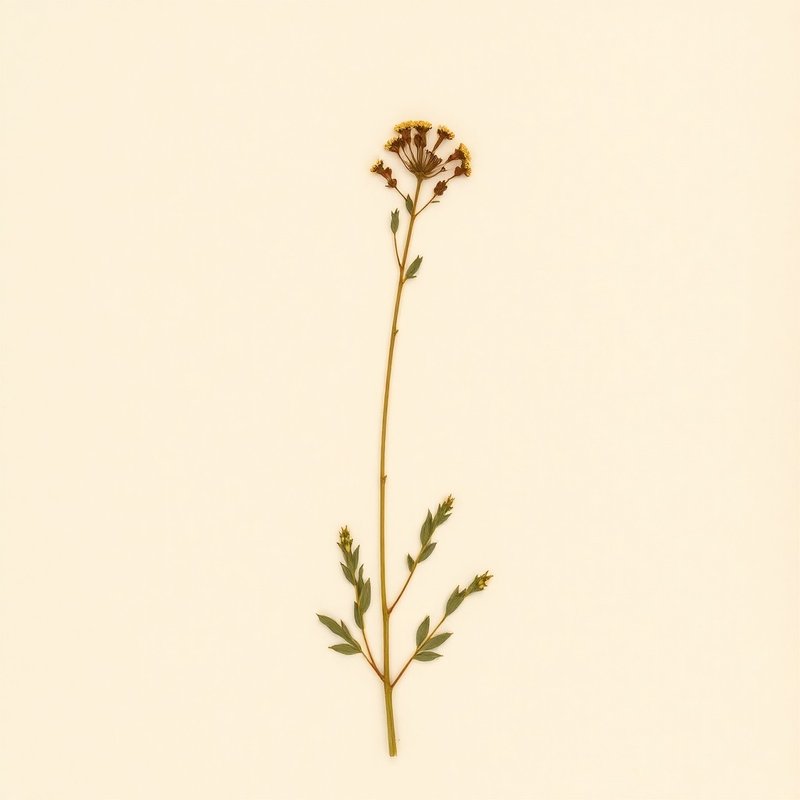
Cyprus Vetch, scientifically known as *Lathyrus ochrus*, belongs to the Fabaceae family and is an annual legume that thrives in a variety of Mediterranean climates, from southern Europe to northern Africa and parts of the Middle East. Native to Albania, Algeria, Cyprus, France, Greece, Italy, Lebanon-Syria, Morocco, Palestine, Portugal, Spain, Tunisia, Turkey, and Yugoslavia, this plant can also be found introduced in areas such as the Azores, Czechoslovakia, and Iraq. Cyprus Vetch is known for its edible roots and seeds. The seeds are typically dried before consumption, while the roots may be eaten raw or cooked. Both parts of the plant have a mild flavor that complements other ingredients well. This legume grows in light (sandy), medium, or heavy (clay) soil types with a pH between 7 and 7.5, thriving in dry to moist conditions. It stands about 0.6 meters tall and prefers moderate sunlight, making it adaptable for garden cultivation. This plant is particularly useful as a nitrogen fixer, enhancing the fertility of the soil where it grows. Cyprus Vetch can be propagated through seeds and requires regular watering during active growth to maintain consistent moisture levels in the soil. Its ability to grow in diverse environments across its native range makes it an interesting addition to gardens and landscapes within its suitable climate zones.
What is Cyprus Vetch?
Cyprus Vetch, scientifically known as *Lathyrus ochrus*, belongs to the Fabaceae family and is an annual legume that thrives in a variety of Mediterranean climates, from southern Europe to northern Africa and parts of the Middle East.
VCultivation
Cultivation
How to grow Cyprus Vetch for the first time
Start with Cyprus Vetch as an easy-to-grow annual, focusing on basic care.
- 1
What you'll need
Seeds or seedlings, a small trowel, and a watering can.
- 2
Best time to plant
Plant in spring after the last frost, when soil temperatures are warm.
- 3
Soil and container prep
Choose a spot with well-draining soil that is light (sandy), medium, or heavy (clay). Ensure pH is between 7 and 7.5.
- 4
Sowing or transplanting
Direct sow seeds 1 cm deep and 20-30 cm apart. Alternatively, transplant seedlings into the garden once they have two sets of true leaves.
- 5
First two weeks
Water regularly to keep soil moist but not waterlogged. Monitor for pests like aphids.
- 6
Ongoing care
Provide support with a trellis or stake as the plant grows. Water when the top inch of soil feels dry, and fertilize lightly every 4-6 weeks.
- 7
Harvest or pruning
Prune back any dead or yellowing leaves to encourage new growth. Harvest seeds once they are fully ripe and dry on the plant.
- 8
Common mistakes
Overwatering, planting in heavy clay soil without drainage, neglecting support structures for climbing vines.
VIEdible & utility
Edible & utility
VIIDistribution
24 native · 3 introduced
Distribution
24 native · 3 introducedIXSpecimen gallery
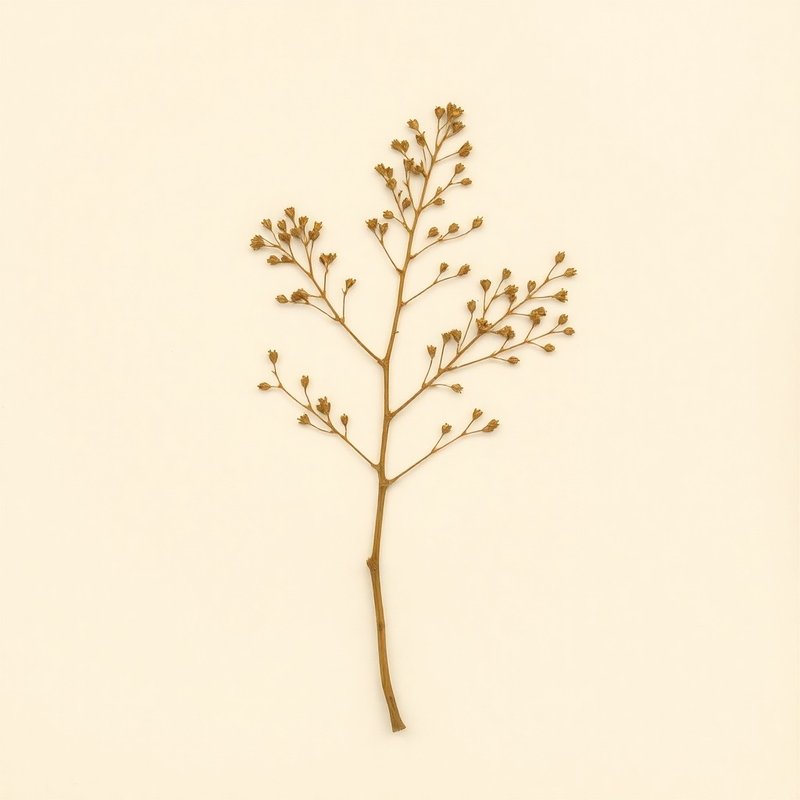
1 image
Specimen gallery
1 imageXSee also
8 related
See also
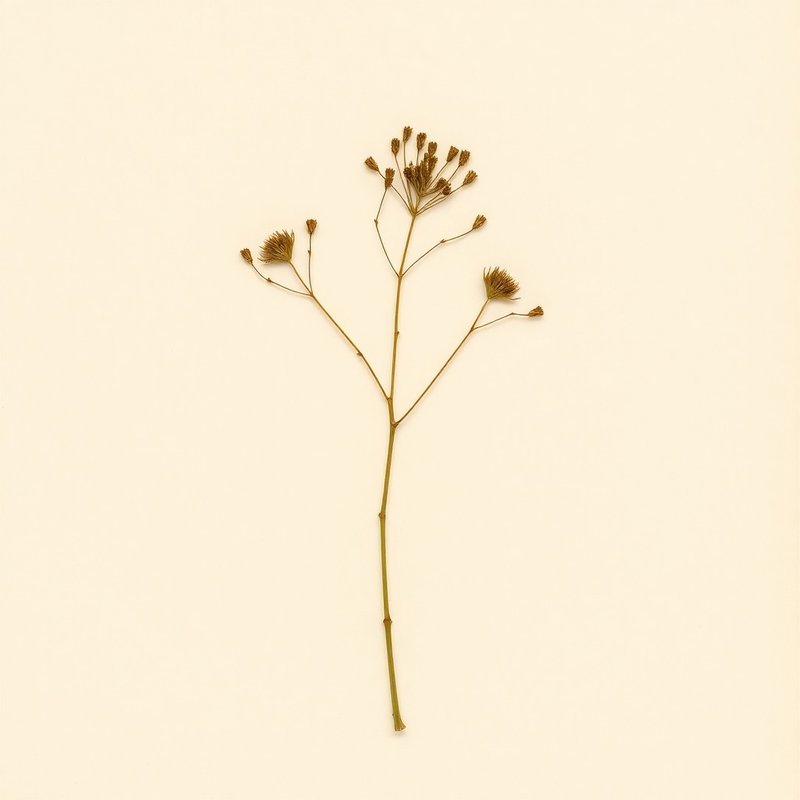
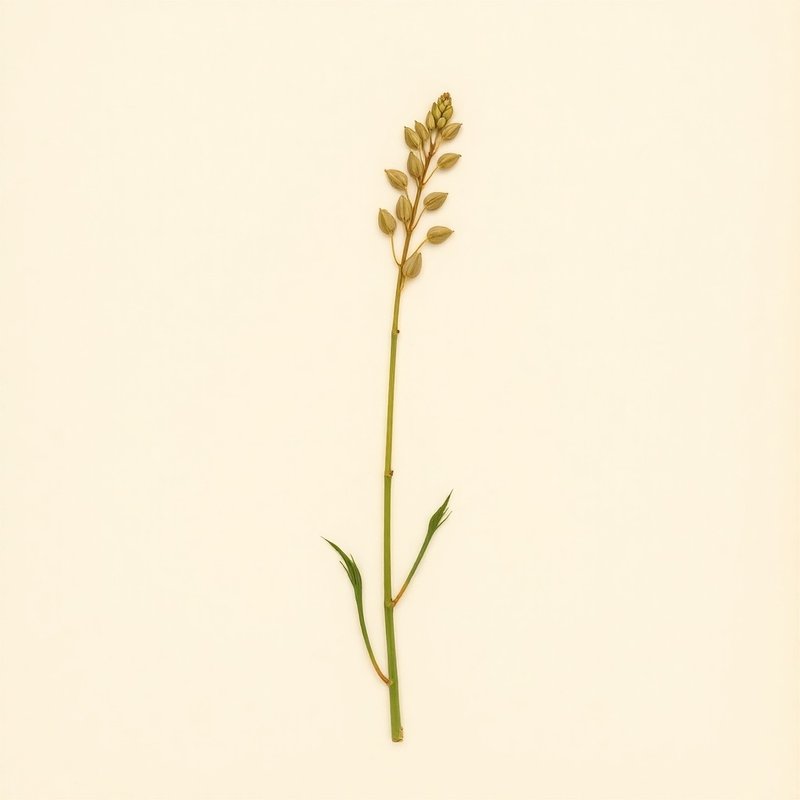
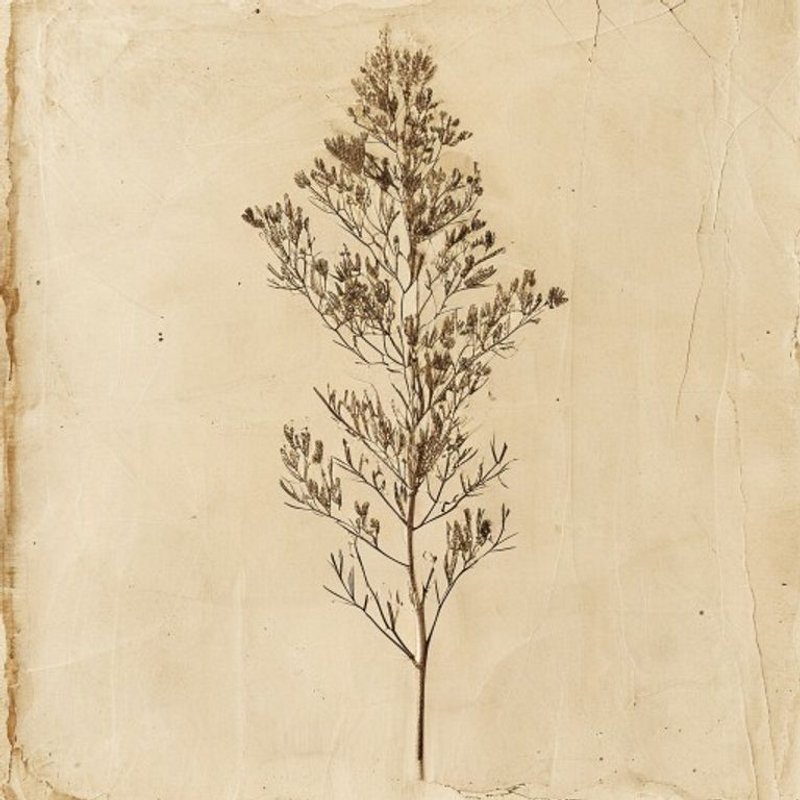
8 relatedPlants you might compare or use together — scored by shared family (Fabaceae), common use cases, and growing requirements.
Explore further
About this entry
- Last updated
- Citation
- How to cite this entry · Submit a correction
Continue reading
Get archive updates
Occasional email when substantial new content lands — plant profiles, seasonal growing notes, folk-remedy additions. Free, no tracking, unsubscribe anytime.