
Tree mallow
IOverview
Overview
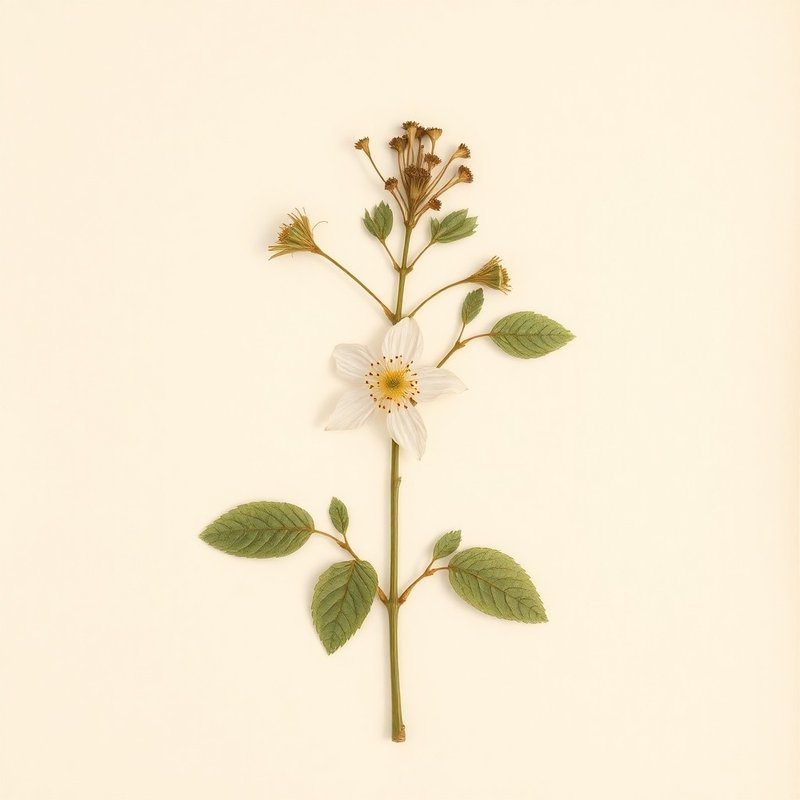
Tree Mallow (Lavatera arborea) is a perennial shrub belonging to the Malvaceae family. Native to regions including Albania, Algeria, and various parts of Europe and North Africa, it can be found growing in diverse habitats such as coastal areas and dry, rocky terrains. This plant's ability to thrive in both dry and moist conditions makes it adaptable to a range of environments. The Tree Mallow is known for its edible leaves, which are commonly used in salads or cooked greens. The leaves can also be dried and steeped into tea. It grows up to 3 meters tall with a biennial life cycle, allowing it to complete two growth phases before producing seeds. Its leaves are deciduous and thrive best in soil with a pH between 7 and 7.5, making it suitable for cultivation in temperate regions. This plant is valued not only for its culinary uses but also for its ornamental appeal. It attracts insects, which can be beneficial for pollination in gardens. The Tree Mallow's distinctive blue flowers contribute to its aesthetic value, adding a splash of color to landscapes and gardens. Its hardiness rating of 8 indicates that it can withstand cooler temperatures typical of temperate climates. While the leaves are safe for consumption when grown under appropriate conditions, caution should be exercised as with any plant intended for human use. Always ensure proper identification before consuming parts of this or any other plant.
What is Tree mallow?
Tree Mallow (Lavatera arborea) is a perennial shrub belonging to the Malvaceae family. Native to regions including Albania, Algeria, and various parts of Europe and North Africa, it can be found growing in diverse habitats such as coastal areas and dry, rocky terrains.
VCultivation
Cultivation
How to grow Tree mallow for the first time
Start with Tree mallow as a simple, low-maintenance addition to your garden.
- 1
What you'll need
Seeds or young plants, a trowel, and a watering can.
- 2
Best time to plant
Plant in spring after the last frost or as a summer annual.
- 3
Soil and container prep
Choose well-draining soil with a pH of 7–7.5 for best growth.
- 4
Sowing or transplanting
Direct sow seeds in the garden after danger of frost, or start indoors 4-6 weeks before planting outside.
- 5
First two weeks
Water regularly to keep soil moist but not waterlogged. Monitor for pests and diseases.
- 6
Ongoing care
Provide full sun and regular watering, especially during dry spells. Prune in spring to maintain shape.
- 7
Harvest or pruning
Prune after flowering to encourage more blooms and maintain plant size.
- 8
Common mistakes
Overwatering, planting in heavy soil, neglecting to prune, not providing enough sun, and using incorrect pH soil.
VIEdible & utility
Edible & utility
VIIDistribution
21 native · 20 introduced
Distribution
21 native · 20 introducedIXSpecimen gallery
1 image
Specimen gallery
1 imageExplore further
About this entry
- Last updated
- Citation
- How to cite this entry · Submit a correction
Continue reading
Get archive updates
Occasional email when substantial new content lands — plant profiles, seasonal growing notes, folk-remedy additions. Free, no tracking, unsubscribe anytime.