
Gibbous Duckweed
Lemna gibba
Educational content — not medical, botanical, or professional advice. Plant identification, safety, and edibility depend on local conditions, cultivars, and correct identification. Consult a qualified botanist or forager before consuming or handling wild specimens. How we source & review →
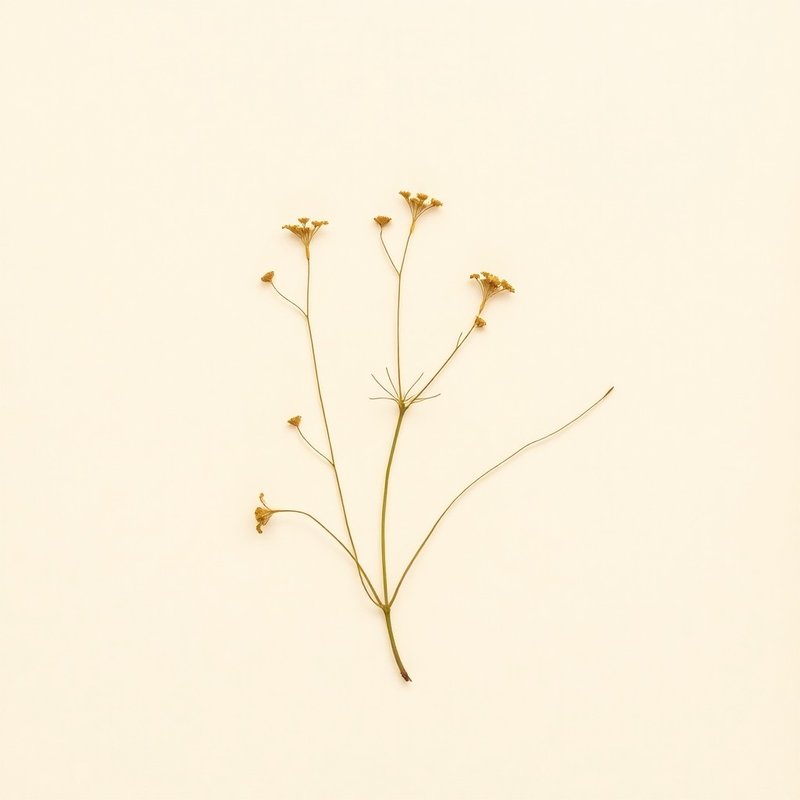
Pl. 4486 — Lemna gibba
Lemna gibbaLemna gibbaLemna gibbaLemna gibbaLemna gibbaLemna gibbaLemna gibbaLemna gibbaLemna gibbaLemna gibbaLemna gibbaLemna gibbaLemna gibbaLemna gibba
IOverview
Overview
Gibbous Duckweed (Lemna gibba) is a small, floating aquatic plant native to regions including Afghanistan, Albania, Algeria, and parts of Argentina, Arizona, and Austria. Known for its edible leaves, this perennial species thrives in environments with a pH between 7 and 7.5, making it adaptable to various soil conditions. Found across a wide range that spans from Europe and North America to Africa and South America, Gibbous Duckweed is recognized for its light energy requirement and hardiness levels ranging from 4 to 11. Its distinctive feature lies in its ability to form dense mats on the water surface, contributing to its ornamental value while also serving as a food source in many ecosystems.
Quick answers
What is Gibbous Duckweed?
Gibbous Duckweed (Lemna gibba) is a small, floating aquatic plant native to regions including Afghanistan, Albania, Algeria, and parts of Argentina, Arizona, and Austria. Known for its edible leaves, this perennial species thrives in environments with a pH between 7 and 7.
Growingconditions · propagation · uses
VCultivation
Cultivation
Gibbous Duckweed thrives in a wide range of temperate regions and prefers partial to full sunlight. It grows best in slightly alkaline soils with a pH between 7 and 7.5. The plant is perennial and can reach up to 0.2 meters in height, making it suitable for shallow water or moist soil environments. It requires consistent moisture but can tolerate varying conditions due to its hardiness range of zones 4-11. For propagation, simply divide the plants during the growing season as they spread easily through vegetative reproduction. Harvest edible leaves when needed, ensuring the plant remains healthy and productive.
Light
8/10
Water
Water
Hardiness
4-11
Life cycle
Perennial
Habit
Forb/herb
Mature size
0.2 m tall
Soil pH
7–7.5
Seasonal calendar
Northern hemisphere · UTC month is September
winterspringsummerautumnwinter
BloomJFMAMJJASOND
For first-time growers
How to grow Gibbous Duckweed for the first time
8steps
Start with Gibbous Duckweed as a simple, low-maintenance plant for beginners.
- 1
What you'll need
A container or pond, clean water, and some Gibbous Duckweed plants.
- 2
Best time to plant
Plant in spring when temperatures are mild and stable.
- 3
Soil and container prep
Use a container with good drainage holes. Fill it with fresh, clean water.
- 4
Sowing or transplanting
Place the Duckweed plants directly into the water or float them on top of the surface.
- 5
First two weeks
Monitor the water quality and ensure there's enough light. Keep the container in a bright spot.
- 6
Ongoing care
Change 20-30% of the water weekly to prevent algae growth. Trim excess plants as needed.
- 7
Harvest or pruning
Prune by cutting back any overgrown parts to maintain a balanced plant.
- 8
Common mistakes
Overcrowding, using dirty water, and not providing enough light are common issues.
VIEdible & utility
Edible & utility
Edible parts:Leaves
Edible uses: The leaves of Gibbous Duckweed are edible and can be eaten raw or cooked. They are typically prepared fresh in salads or added to soups and stews for a mild taste. Due to their small size, they are often used in combination with other ingredients rather than as the main component of dishes.
Contextrange · companions · related
VIIDistribution
30 native · 0 introduced
Distribution
30 native · 0 introducedDistribution across4 continents· 30 native
Europe9 regions
native (9)AlbaniaAustriaBelarusBelgiumBulgariaDenmarkFranceRussiaSpain
Asia1 region
native (1)Afghanistan
Americas3 regions
native (3)BoliviaColombiaEcuador
Africa4 regions
native (4)AlgeriaChadEritreaEthiopia
Broader regions
native:Argentina Northeast, Argentina Northwest, Arizona, Baltic States, Brazil South, California, Cape Provinces, Chile Central, Colorado, Czechoslovakia, East Aegean Is.
IXSpecimen gallery
1 image
Specimen gallery
1 imageXI
Explore further
Companion planting
Growing zone
XII
About this entry
- Last updated
- Citation
- How to cite this entry · Submit a correction
Back to the cataloguePlant id · 44866399-4187-4441-9960-681ff535499e
Decision aid
Choosing between Gibbous Duckweed and something else?
Continue reading
❦❦❦❦
Endpaper · archive updates
Get archive updates
Occasional email when substantial new content lands — plant profiles, seasonal growing notes, folk-remedy additions. Free, no tracking, unsubscribe anytime.