
Lepidium apetalum
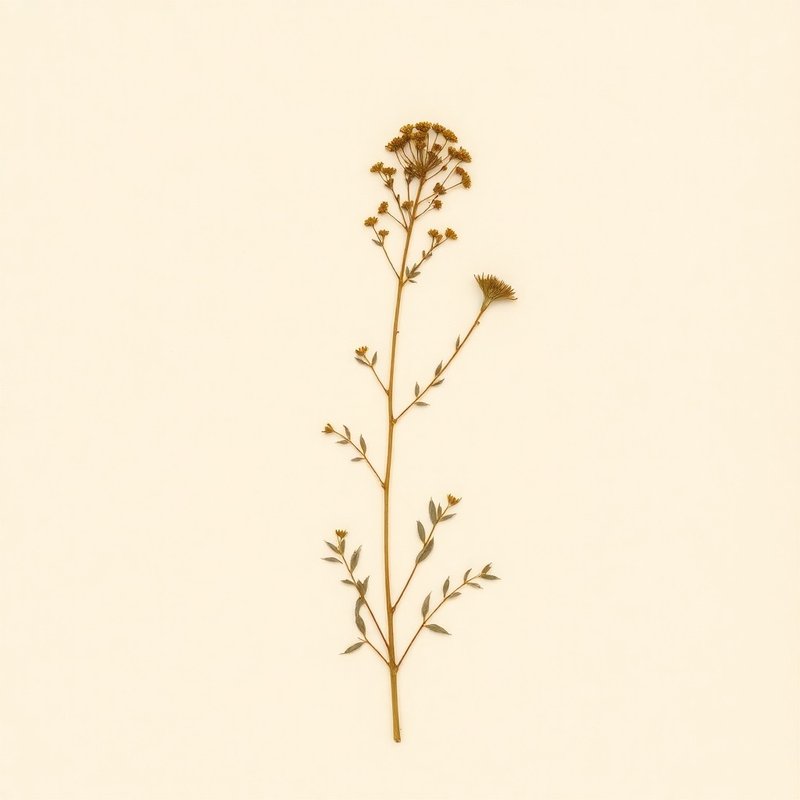
IOverview
Overview
Lepidium apetalum, a hardy annual or biennial herb, is native to a wide range of regions including Altay, Assam, Bangladesh, China North-Central, and many other areas such as East European Russia, Japan, and Tibet. This plant thrives in various habitats, particularly in moist environments with light to medium soil types, and can be found growing best under full sun to partial shade. Its edible leaves are a valuable resource, making it a useful forage or culinary herb in its native range. The plant can grow up to 0.3 meters tall and is known for its adaptability to diverse environmental conditions, making it a versatile addition to gardens and landscapes. While not traditionally used for medicinal purposes, the leaves can be consumed fresh or cooked, adding mild flavor to salads, soups, and stews. Lepidium apetalum is hardy and can be propagated through seeds, making it a suitable choice for gardeners interested in cultivating a diverse and versatile herb.
What is Lepidium apetalum?
Lepidium apetalum, a hardy annual or biennial herb, is native to a wide range of regions including Altay, Assam, Bangladesh, China North-Central, and many other areas such as East European Russia, Japan, and Tibet.
VCultivation
Cultivation
How to grow Lepidium apetalum for the first time
Start with Lepidium apetalum as a simple, low-maintenance plant for beginners.
- 1
What you'll need
Seeds or seedlings, small pots or garden space, potting soil.
- 2
Best time to plant
Plant in spring after the last frost, or in late summer for a fall harvest.
- 3
Soil and container prep
Use well-draining soil with a mix of light (sandy), medium, or heavy clay. Ensure containers have drainage holes.
- 4
Sowing or transplanting
Direct sow seeds 0.5 cm deep in the garden or start them indoors and transplant after danger of frost passes.
- 5
First two weeks
Keep soil moist, water regularly but avoid overwatering. Provide full sun to partial shade.
- 6
Ongoing care
Water when the top inch of soil feels dry. Fertilize sparingly with a balanced organic fertilizer.
- 7
Harvest or pruning
Prune leaves as needed for harvesting, ensuring not to remove more than one-third at once.
VIEdible & utility
Edible & utility
VIIDistribution
24 native · 0 introduced
Distribution
24 native · 0 introducedIXSpecimen gallery
1 image
Specimen gallery
1 imageExplore further
About this entry
- Last updated
- Citation
- How to cite this entry · Submit a correction
Continue reading
Get archive updates
Occasional email when substantial new content lands — plant profiles, seasonal growing notes, folk-remedy additions. Free, no tracking, unsubscribe anytime.