
Lepidium intermedium
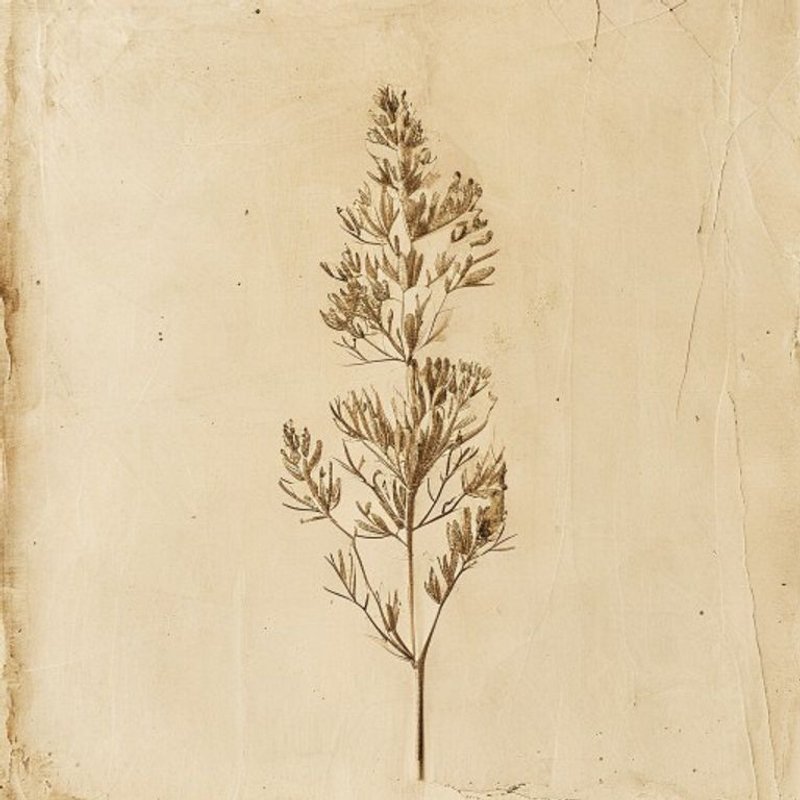
IOverview
Overview
Lepidium intermedium, commonly known as intermediate pepperweed, is an annual or biennial plant native to regions including Arizona, British Columbia, California, Colorado, Idaho, and Mexico Central. This plant thrives in environments with a variety of soil types, from light (sandy) to heavy (clay), and prefers moist conditions. Intermediate pepperweed can grow up to 0.3 meters tall and is adaptable to both full sun and partial shade. Its edible leaves and seeds are often used in culinary applications, making it a valuable resource for foragers and gardeners. While not traditionally used for medicinal purposes, intermediate pepperweed's edible parts contribute to its practical value. Its adaptability and native range make it a versatile addition to gardens or natural landscapes within its native regions.
What is Lepidium intermedium?
Lepidium intermedium, commonly known as intermediate pepperweed, is an annual or biennial plant native to regions including Arizona, British Columbia, California, Colorado, Idaho, and Mexico Central.
VCultivation
Cultivation
How to grow Lepidium intermedium for the first time
Start with Lepidium intermedium as an easy-to-grow annual, focusing on basic care and harvesting.
- 1
What you'll need
Seeds or seedlings, a small trowel, watering can.
- 2
Best time to plant
Plant in spring after the last frost, or in late summer for fall harvests.
- 3
Soil and container prep
Choose a spot with full sun to partial shade. Ensure soil is well-draining, light to heavy.
- 4
Sowing or transplanting
Direct sow seeds 0.5 cm deep, spacing them about 15 cm apart. Transplant seedlings when they have two sets of true leaves.
- 5
First two weeks
Water regularly to keep the soil moist but not waterlogged. Monitor for pests and diseases.
- 6
Ongoing care
Continue regular watering, especially during dry spells. Mulch around plants to retain moisture and suppress weeds.
- 7
Harvest or pruning
Prune or harvest leaves as needed, taking only a third of the plant at once to encourage new growth.
- 8
Common mistakes
Overwatering, planting in heavy clay soil without amending, neglecting regular harvesting.
VIEdible & utility
Edible & utility
VIIDistribution
17 native · 0 introduced
Distribution
17 native · 0 introducedIXSpecimen gallery
1 image
Specimen gallery
1 imageExplore further
About this entry
- Last updated
- Citation
- How to cite this entry · Submit a correction
Continue reading
Get archive updates
Occasional email when substantial new content lands — plant profiles, seasonal growing notes, folk-remedy additions. Free, no tracking, unsubscribe anytime.