
Lepidium oleraceum
Lepidium oleraceum
Educational content — not medical, botanical, or professional advice. Plant identification, safety, and edibility depend on local conditions, cultivars, and correct identification. Consult a qualified botanist or forager before consuming or handling wild specimens. How we source & review →
Garden journal pausedUse profile notes below
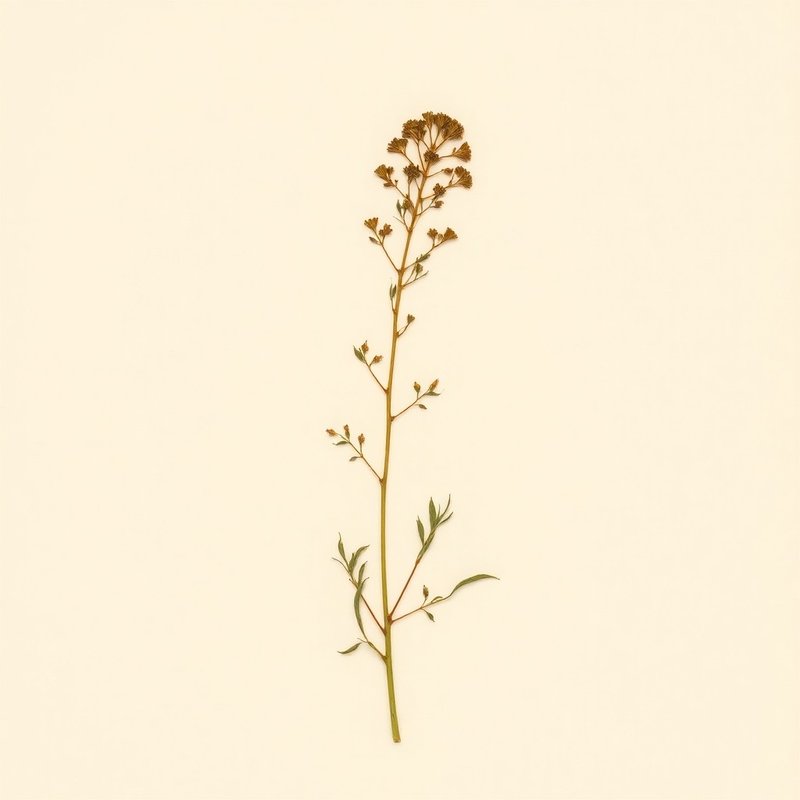
Pl. D28F — Lepidium oleraceum
Lepidium oleraceumLepidium oleraceumLepidium oleraceumLepidium oleraceumLepidium oleraceumLepidium oleraceumLepidium oleraceumLepidium oleraceumLepidium oleraceumLepidium oleraceumLepidium oleraceumLepidium oleraceumLepidium oleraceumLepidium oleraceum
IOverview
Overview
Lepidium oleraceum, commonly known as sea rocket or winter cress, is a perennial plant native to the Antipodean Islands, Chatham Islands, Kermadec Islands, and various regions of New Zealand, including the North and South Islands. This plant also has a presence in Albania, Algeria, and the Altay region. Thriving in moist conditions, Lepidium oleraceum is adaptable to a range of soil types, including light (sandy), medium, and heavy (clay) soils. It can tolerate a soil pH between 7.5 and 8, making it suitable for slightly alkaline environments. The leaves of Lepidium oleraceum are edible and can be eaten raw or cooked, adding a mild, tangy flavor to dishes. They are often used fresh in salads, and in some regions, the leaves may be steamed or added to soups. This plant's ability to grow in diverse environments and its culinary versatility make it a valuable addition to gardens and landscapes. Given its perennial nature, Lepidium oleraceum will produce edible leaves year after year, making it a reliable source of fresh greens. Its adaptability and hardiness in temperate regions make it a suitable choice for gardeners looking for a low-maintenance, edible plant.
Quick answers
What is Lepidium oleraceum?
Lepidium oleraceum, commonly known as sea rocket or winter cress, is a perennial plant native to the Antipodean Islands, Chatham Islands, Kermadec Islands, and various regions of New Zealand, including the North and South Islands. This plant also has a presence in Albania, Algeria, and the Altay region.
Growingconditions · propagation · uses
VCultivation
Cultivation
Lepidium oleraceum thrives in moist conditions and prefers light to heavy soils, with a preference for sandy, medium, or clay textures. The plant is hardy in temperate regions and can be propagated through seeds. It requires moderate sunlight and should be watered regularly to maintain its moisture needs. Given its perennial nature, it will produce edible leaves year after year. Ensure the soil pH is between 7.5 and 8 for optimal growth.
Light
8/10
Water
Moist
Soil
Light (sandy), Medium, Heavy (clay)
Life cycle
Perennial
Soil pH
7.5–8
For first-time growers
How to grow Lepidium oleraceum for the first time
8steps
Start with Lepidium oleraceum as a simple, low-maintenance plant for beginners.
- 1
What you'll need
Seeds or seedlings, potting soil, containers, water.
- 2
Best time to plant
Plant in spring when the weather starts warming up.
- 3
Soil and container prep
Use a well-draining potting mix with a pH of 7.5–8. Ensure your container has drainage holes.
- 4
Sowing or transplanting
Direct sow seeds in the soil, covering them lightly. Alternatively, start seedlings indoors and transplant once they are strong enough.
- 5
First two weeks
Keep the soil consistently moist but not waterlogged. Place in a sunny spot to encourage growth.
- 6
Ongoing care
Water regularly, especially during dry spells. Fertilize with a balanced liquid fertilizer every few months.
- 7
Harvest or pruning
Prune the plant by cutting back old leaves and stems to promote new growth and maintain shape.
- 8
Common mistakes
Overwatering, planting in heavy soil, neglecting to prune, not providing enough sunlight.
VIEdible & utility
Edible & utility
Edible parts:Leaves
Edible uses: The leaves of Lepidium oleraceum are edible and can be eaten raw or cooked. They are often used fresh in salads for their mild flavor. In some regions, the leaves may also be steamed or added to soups. Skip
Contextrange · companions · related
VIIDistribution
55 native · 78 introduced
Distribution
55 native · 78 introducedDistribution across4 continents· 55 native· 78 introduced
Europe26 regions
native (12)AlbaniaAustriaBulgariaCyprusFranceGreeceHungaryItalyRomaniaRussiaSpainUkraine
introduced (14)BelarusBelgiumDenmarkFinlandGermanyIrelandNetherlandsNorwayPolandPortugalRussiaSwedenSwitzerlandUnited Kingdom
Asia12 regions
native (12)ChinaIranIraqKazakhstanOmanPakistanPalestineSaudi ArabiaTurkeyTurkmenistanUzbekistanYemen
Americas2 regions
introduced (2)BoliviaUruguay
Africa6 regions
native (5)AlgeriaEgyptLibyaMoroccoTunisia
introduced (1)Western Sahara
Broader regions
native:Altay, Antipodean Is., Chatham Is., East Aegean Is., Gulf States, Kermadec Is., Kirgizstan, Kriti, Lebanon-Syria, New Zealand North, New Zealand South, Sinai, Transcaucasus, Turkey-in-Europe, Yugoslavia
introduced:Alberta, Argentina Northeast, Argentina Northwest, Argentina South, Arizona, Baltic States, British Columbia, California, Cape Provinces, Chile Central, Chile North, Chile South, Colorado, Connecticut, Czechoslovakia, District of Columbia, Free State, Idaho, Illinois, Indiana, Iowa, Irkutsk, Kansas, Kentucky, Manitoba, Maryland, Masachusettes, Mexico Central, Michigan, Minnesota, Missouri, Montana, Nebraska, Nevada, New Jersey, New Mexico, New South Wales, New York, North Dakota, Nova Scotia, Ohio, Oklahoma, Ontario, Oregon, Pennsylvania, Primorye, Queensland, Rhode I., Sakhalin, Saskatchewan, South Australia, South Dakota, Tasmania, Utah, Vermont, Victoria, Washington, Western Australia, Wisconsin, Wyoming
IXSpecimen gallery
1 image
Specimen gallery
1 imageXI
Explore further
Companion planting
XII
About this entry
- Last updated
- Citation
- How to cite this entry · Submit a correction
Back to the cataloguePlant id · d28ffb23-8346-4c5e-9d53-a74600de27c1
Decision aid
Choosing between Lepidium oleraceum and something else?
Continue reading
❦❦❦❦
Endpaper · archive updates
Get archive updates
Occasional email when substantial new content lands — plant profiles, seasonal growing notes, folk-remedy additions. Free, no tracking, unsubscribe anytime.
Newsletter returning soon.
We are rebuilding the update list around a lightweight editorial workflow. New dispatches will resume after the next content review cycle.