
Wild Pepper Grass
IOverview
Overview
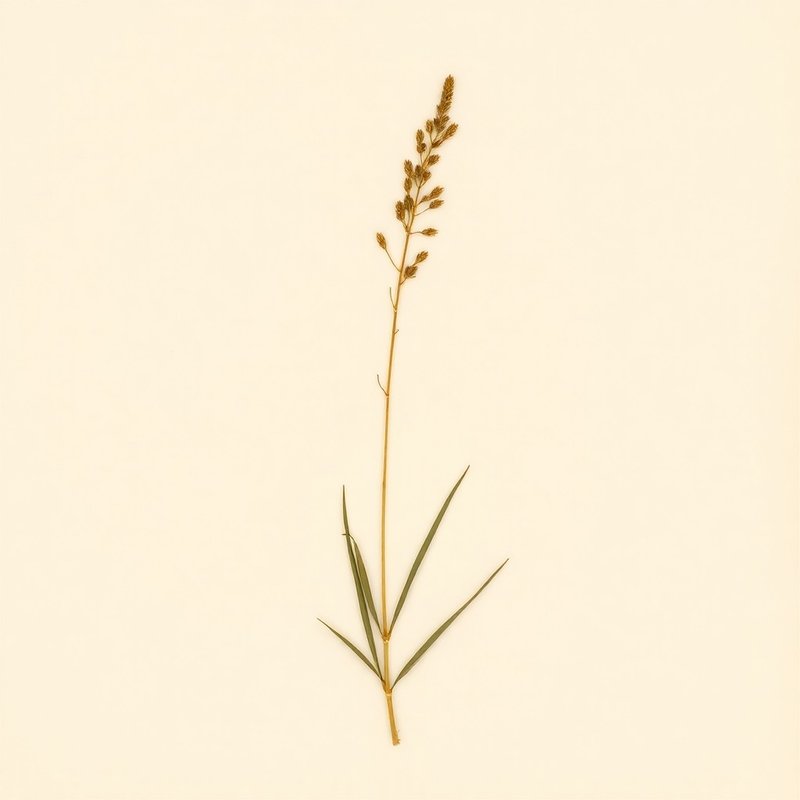
Wild Pepper Grass (Lepidium virginicum) is a hardy annual or biennial herb native to the southeastern United States and extending into Central America and parts of Mexico. This plant thrives in moist, light to heavy soil with a pH between 6.5 and 7, making it adaptable to various growing conditions within its range, which includes Alabama, Arizona, Arkansas, and beyond. Known for its edible leaves and seedpods, Wild Pepper Grass is also valued for its ornamental qualities. Its distinctive features include light green foliage that resembles small cabbages and a maximum height of 0.5 meters. This plant can be found across a wide range, including regions such as Belize, British Columbia, California, and Costa Rica. While primarily used as a condiment due to its peppery taste, Wild Pepper Grass is not known for medicinal uses. It should be noted that this plant has the potential to become invasive in some areas, so careful management may be required when cultivated outside of its native range.
What is Wild Pepper Grass?
Wild Pepper Grass (Lepidium virginicum) is a hardy annual or biennial herb native to the southeastern United States and extending into Central America and parts of Mexico. This plant thrives in moist, light to heavy soil with a pH between 6.
VCultivation
Cultivation
How to grow Wild Pepper Grass for the first time
Start with Wild Pepper Grass as a simple, low-maintenance addition to your garden.
- 1
What you'll need
Wild Pepper Grass seeds or young plants, a small trowel, and a watering can.
- 2
Best time to plant
Plant Wild Pepper Grass in spring after the last frost or in early fall.
- 3
Soil and container prep
Choose a location with light to medium soil that is moist but well-draining. Ensure the pH is between 6.5 and 7.
- 4
Sowing or transplanting
Direct sow seeds in the garden, covering them lightly with soil. Alternatively, start young plants indoors and transplant them after they have grown a few leaves.
- 5
First two weeks
Water regularly to keep the soil moist but not waterlogged. Monitor for pests and diseases.
- 6
Ongoing care
Provide consistent moisture, especially during dry spells. Mulch around plants to retain moisture and suppress weeds.
- 7
Harvest or pruning
Prune back any leggy growth to encourage bushier foliage. Harvest leaves as needed for culinary use.
VIEdible & utility
Edible & utility
VIIDistribution
77 native · 84 introduced
Distribution
77 native · 84 introducedIXSpecimen gallery
1 image
Specimen gallery
1 imageExplore further
About this entry
- Last updated
- Citation
- How to cite this entry · Submit a correction
Continue reading
Get archive updates
Occasional email when substantial new content lands — plant profiles, seasonal growing notes, folk-remedy additions. Free, no tracking, unsubscribe anytime.