
Tea Tree
IOverview
Overview
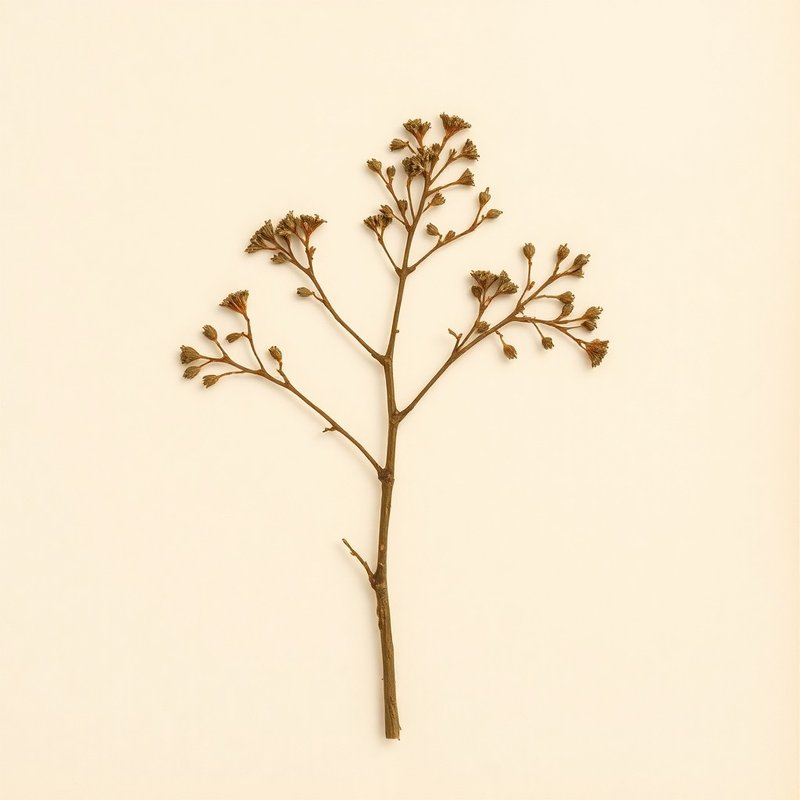
Tea Tree, scientifically known as Leptospermum scoparium, is a versatile shrub or small tree native to the coastal regions of New South Wales, Victoria, Tasmania, and parts of New Zealand, including both North and South Islands, as well as the Chatham Islands. This plant thrives in full sun and can tolerate various soil types, ranging from light (sandy) to heavy (clay), making it adaptable to different environments. Known for its edible qualities, Tea Tree is a valuable resource, with traditional use in New Zealand Maori medicine to support the immune system, often taken as a tea or decoction. Its distinctive feature lies in its ability to grow up to 5 meters tall, contributing to both ornamental and practical landscapes. Introduced into areas such as the Azores, Great Britain, Hawaii, and Madeira, Tea Tree has shown its resilience and utility in diverse growing contexts. However, it is important to note that Tea Tree has the potential to become a weed in some areas.
What is Tea Tree?
Tea Tree, scientifically known as Leptospermum scoparium, is a versatile shrub or small tree native to the coastal regions of New South Wales, Victoria, Tasmania, and parts of New Zealand, including both North and South Islands, as well as the Chatham Islands.
What is Tea Tree used for?
Traditionally used for immune support. Each claim is evidence-rated — see Section II for full citations.
IIBenefits & evidence
1 claim · traditional-use context
Benefits & evidence
1 claim · traditional-use context- Tea Tree is traditionally used in New Zealand Maori medicine to support the immune system, often taken as a tea or decoction.
Not fully characterised; however, its antimicrobial properties suggest it may help reduce pathogen load and support overall health.
▲ ModerateImmune support →
IV·bMixology suggestions
1 draft
Mixology suggestions
1 draftVCultivation
Cultivation
How to grow Tea Tree for the first time
Start with a simple, low-maintenance tree that thrives in various conditions.
- 1
What you'll need
A young tea tree sapling and well-draining soil.
- 2
Best time to plant
Plant in spring or autumn when the weather is mild.
- 3
Soil and container prep
Ensure the soil is light, medium, or heavy with good drainage. Avoid overly wet conditions.
- 4
Sowing or transplanting
Transplant a young sapling into your garden or a large pot filled with suitable soil.
- 5
First two weeks
Water the tea tree regularly to help it establish, but avoid overwatering. Keep it in a sunny spot.
- 6
Ongoing care
Provide full sun and water only when the soil is dry. Prune lightly to maintain shape if needed.
- 7
Harvest or pruning
Prune the tea tree annually to encourage bushy growth and remove any dead branches.
- 8
Common mistakes
Overwatering, planting in poorly drained soil, not providing enough sunlight, and neglecting regular pruning.
VIEdible & utility
Edible & utility
VIIDistribution
6 native · 4 introduced
Distribution
6 native · 4 introducedIXSpecimen gallery
1 image
Specimen gallery
1 imageXSee also
8 related
See also
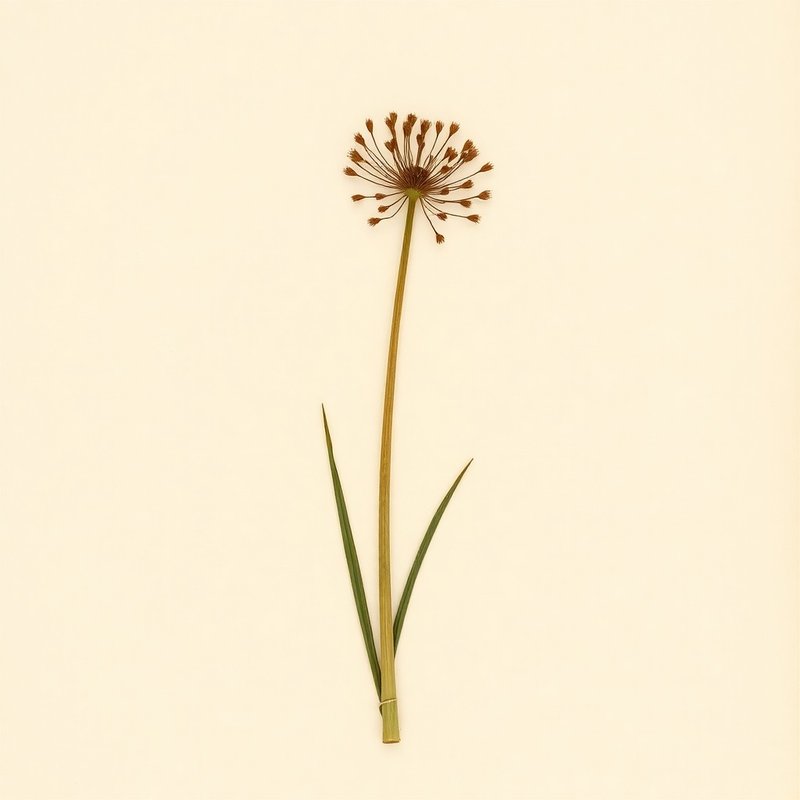
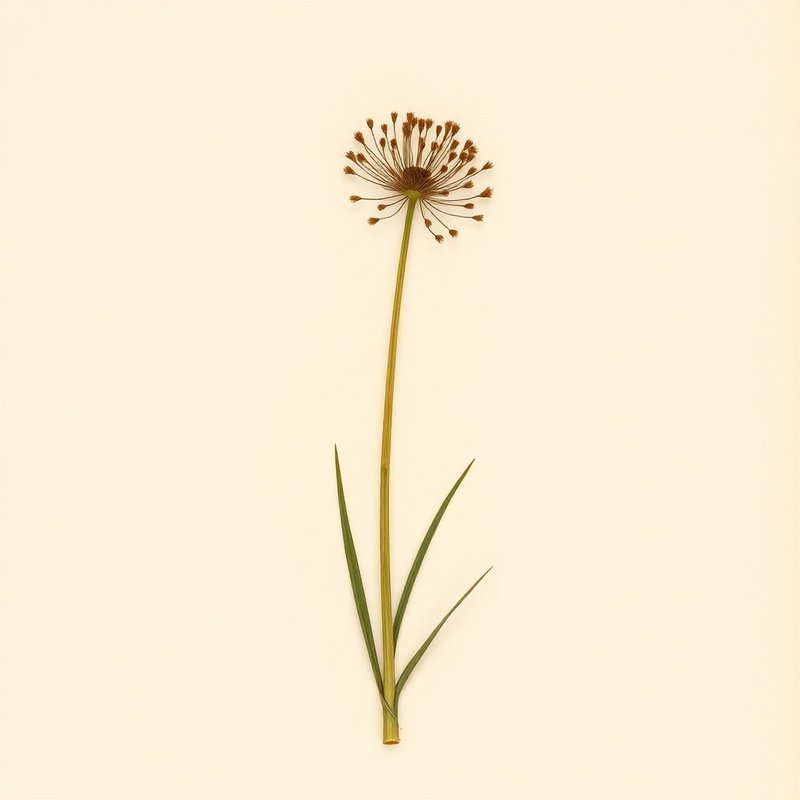
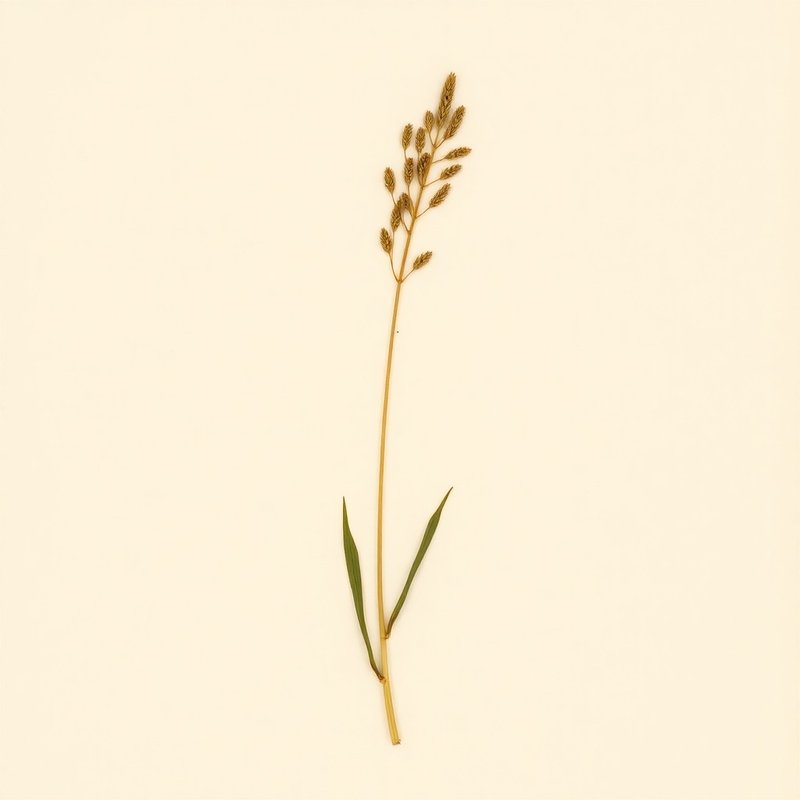
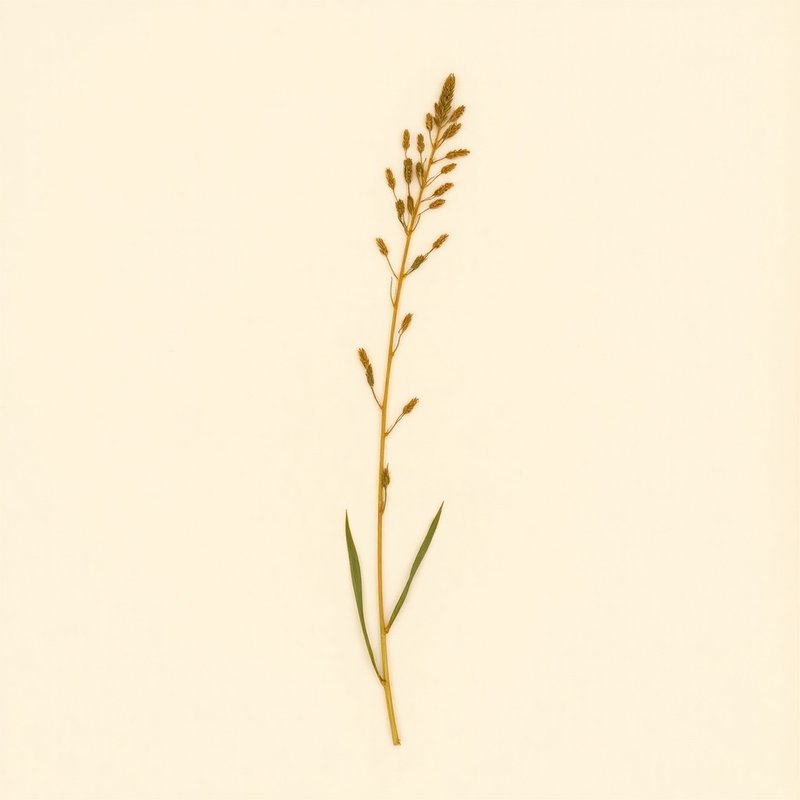
8 relatedPlants you might compare or use together — scored by shared family, common use cases, and growing requirements.

Explore further
About this entry
- Last updated
- Citation
- How to cite this entry · Submit a correction
Continue reading
Get archive updates
Occasional email when substantial new content lands — plant profiles, seasonal growing notes, folk-remedy additions. Free, no tracking, unsubscribe anytime.