
Spring Snowflake
Leucojum vernum
Educational content — not medical, botanical, or professional advice. Plant identification, safety, and edibility depend on local conditions, cultivars, and correct identification. Consult a qualified botanist or forager before consuming or handling wild specimens. How we source & review →
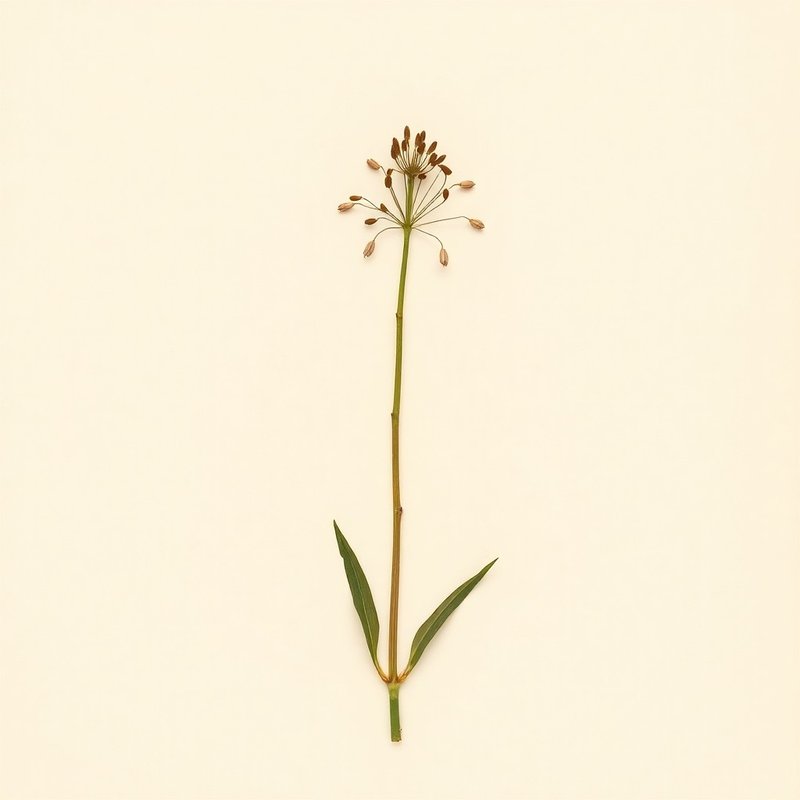
Pl. 6807 — Leucojum vernum
Leucojum vernumLeucojum vernumLeucojum vernumLeucojum vernumLeucojum vernumLeucojum vernumLeucojum vernumLeucojum vernumLeucojum vernumLeucojum vernumLeucojum vernumLeucojum vernumLeucojum vernumLeucojum vernum
IOverview
Overview
Spring Snowflake (Leucojum vernum) is a delicate member of the Amaryllidaceae family, known for its early spring blooms that resemble snowflakes, hence its common name. Native to central and southern Europe, it thrives in moist, light to heavy soil conditions with a pH between 7 and 7.5, making it adaptable but preferring slightly alkaline environments. This small forb or herb grows to about 20 cm tall and is valued for its ornamental appeal. The plant's edible bulb can be consumed raw or cooked, adding a unique flavor to culinary dishes. Its light requirements are moderate, and it is hardy in zones 4-8, making it suitable for gardens across much of Europe.
Quick answers
What is Spring Snowflake?
Spring Snowflake (Leucojum vernum) is a delicate member of the Amaryllidaceae family, known for its early spring blooms that resemble snowflakes, hence its common name. Native to central and southern Europe, it thrives in moist, light to heavy soil conditions with a pH between 7 and 7.
Growingconditions · propagation · uses
VCultivation
Cultivation
Spring Snowflake (Leucojum vernum) thrives in moist conditions and prefers light to medium soil that can be sandy, loamy, or clayey. It is hardy in temperate regions, specifically zones 4-8. This plant requires partial shade to full sun for optimal growth. For cultivation, use a pH range of 7-7.5. Propagate via bulb division, which is the most effective method. Harvest edible parts from the bulbs when needed.
Light
5/10
Water
Moist
Soil
Light (sandy), Medium, Heavy (clay)
Hardiness
4-8
Habit
Forb/herb
Mature size
0.2 m tall
Soil pH
7–7.5
For first-time growers
How to grow Spring Snowflake for the first time
8steps
Start with planting Spring Snowflake bulbs in early fall for a stunning spring display.
- 1
What you'll need
Spring Snowflake bulbs, well-draining soil, garden gloves.
- 2
Best time to plant
Plant the bulbs in late summer or early fall.
- 3
Soil and container prep
Ensure the soil is light (sandy), medium, or heavy with a pH of 7-7.5. Amend as needed.
- 4
Sowing or transplanting
Plant bulbs about 10 cm deep and 15 cm apart in well-prepared soil.
- 5
First two weeks
Water the newly planted bulbs sparingly to avoid rotting. Keep them moist but not waterlogged.
- 6
Ongoing care
Spring Snowflake prefers moist, light soil and partial shade during summer dormancy. Water when dry.
- 7
Harvest or pruning
After flowering, allow the foliage to yellow naturally before removing it to store energy for next year.
- 8
Common mistakes
Overwatering bulbs, planting too deep, neglecting summer care, and not allowing natural leaf removal.
VIEdible & utility
Edible & utility
Edible parts:Bulb
Edible uses: The Spring Snowflake's bulb is edible and can be consumed raw or cooked. Typically, it is prepared by boiling to soften the flesh before consumption. The bulb has a mild flavor and is often used in salads when eaten raw. Cooking enhances its palatability.
Other uses:Fragrance
Contextrange · companions · related
VIIDistribution
12 native · 8 introduced
Distribution
12 native · 8 introducedDistribution across2 continents· 12 native· 8 introduced
Europe15 regions
native (10)AustriaBelgiumFranceGermanyHungaryItalyPolandRomaniaSwitzerlandUkraine
introduced (5)DenmarkFinlandNetherlandsSwedenUnited Kingdom
Asia2 regions
introduced (2)GeorgiaJapan
Broader regions
native:Yugoslavia, Czechoslovakia
introduced:Florida
IXSpecimen gallery
1 image
Specimen gallery
1 imageXI
Explore further
Companion planting
Growing zone
XII
About this entry
- Last updated
- Citation
- How to cite this entry · Submit a correction
Back to the cataloguePlant id · 6807b827-e132-4962-9cb2-7c4f92868533
Decision aid
Choosing between Spring Snowflake and something else?
Continue reading
❦❦❦❦
Endpaper · archive updates
Get archive updates
Occasional email when substantial new content lands — plant profiles, seasonal growing notes, folk-remedy additions. Free, no tracking, unsubscribe anytime.