
Leucopogon lanceolatus
IOverview
Overview
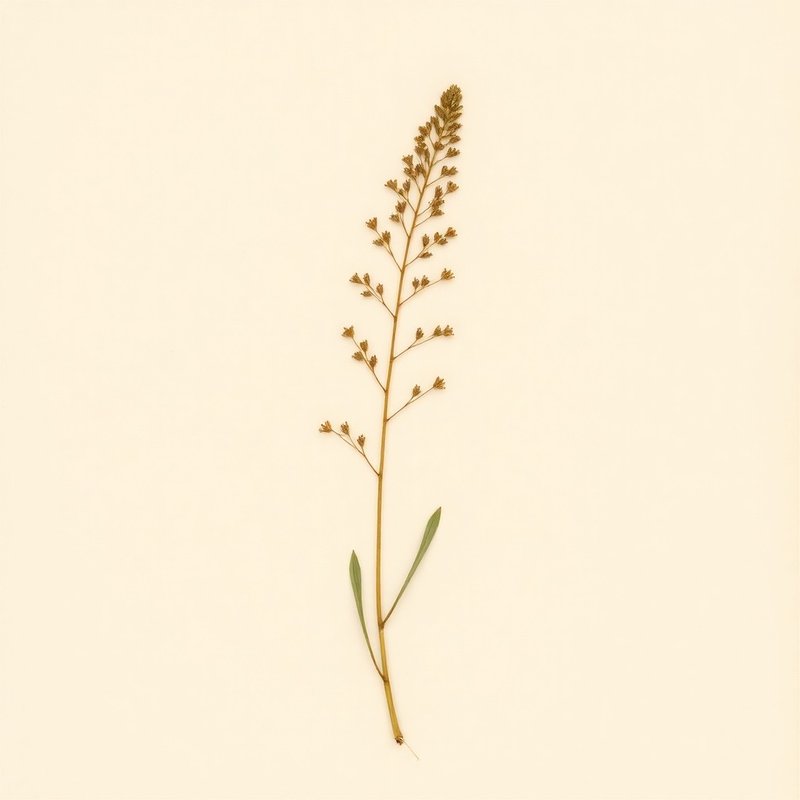
Leucopogon lanceolatus, commonly known as the white beard or white beard heath, is a shrub native to southeastern Australia and New Zealand, including regions such as New South Wales, Queensland, South Australia, Victoria, and Western Australia. This plant thrives in various habitats, from moist conditions to light to partial shade, and can be found growing in soil types ranging from sandy to medium and clay. It typically reaches a height of 3 meters and is distinguished by its fine white hairs covering the stems and leaves, giving it a soft, feathery appearance. The fruit of Leucopogon lanceolatus is edible and can be consumed fresh or dried, making it a useful addition to local cuisine. While not traditionally used for medicinal purposes, its edible fruit is a notable feature, making it a valuable plant in its native range.
What is Leucopogon lanceolatus?
Leucopogon lanceolatus, commonly known as the white beard or white beard heath, is a shrub native to southeastern Australia and New Zealand, including regions such as New South Wales, Queensland, South Australia, Victoria, and Western Australia.
VCultivation
Cultivation
How to grow Leucopogon lanceolatus for the first time
Start with a simple planting approach to grow Leucopogon lanceolatus.
- 1
What you'll need
A small plant or seeds, potting soil, and a container.
- 2
Best time to plant
Plant in spring when the weather starts warming up.
- 3
Soil and container prep
Use well-draining soil with some sand for better drainage. Ensure your container has holes at the bottom.
- 4
Sowing or transplanting
Transplant a small plant into a larger pot or directly into the garden bed, ensuring it's not too deep.
- 5
First two weeks
Water regularly to keep the soil moist but not waterlogged. Place in partial shade for the first few days.
- 6
Ongoing care
Provide full sun or partial shade and keep the soil consistently moist, especially during dry spells.
- 7
Harvest or pruning
Prune lightly to maintain shape and remove any dead or damaged branches. Harvest fruit when they are fully ripe.
- 8
Common mistakes
Overwatering, planting in heavy soil without drainage, and not providing enough light.
VIEdible & utility
Edible & utility
VIIDistribution
10 native · 0 introduced
Distribution
10 native · 0 introducedIXSpecimen gallery
1 image
Specimen gallery
1 imageExplore further
About this entry
- Last updated
- Citation
- How to cite this entry · Submit a correction
Continue reading
Get archive updates
Occasional email when substantial new content lands — plant profiles, seasonal growing notes, folk-remedy additions. Free, no tracking, unsubscribe anytime.