
Meadow Lily
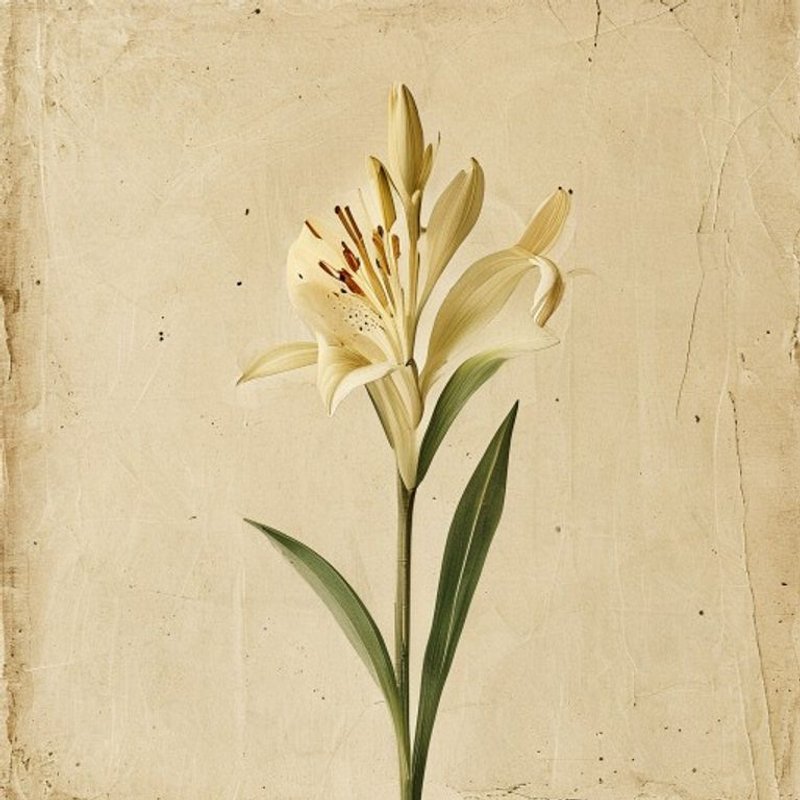
IOverview
Overview
Meadow Lily (Lilium canadense flavum) is a native North American species that thrives in partial sun to full shade and prefers moist, light (sandy) or medium soil. This plant can be found in states like Alabama, Connecticut, Delaware, District of Columbia, Georgia, Kentucky, Maine, and Maryland. Known for its edible root parts, the meadow lily's roots can be prepared in various ways, typically eaten raw or cooked, and can also be dried for later use. The plant reaches up to 1.5 meters in height and is hardy in zones 4-8, making it adaptable to a range of sunlight conditions. Its distinctive features include its height and its ability to grow in various soil types, making it a versatile addition to gardens and natural landscapes. While the roots are edible, caution should be exercised when consuming any wild plants to ensure proper identification and safety.
What is Meadow Lily?
Meadow Lily (Lilium canadense flavum) is a native North American species that thrives in partial sun to full shade and prefers moist, light (sandy) or medium soil. This plant can be found in states like Alabama, Connecticut, Delaware, District of Columbia, Georgia, Kentucky, Maine, and Maryland.
VCultivation
Cultivation
How to grow Meadow Lily for the first time
Start with Meadow Lilies to add a touch of wild beauty and some edible roots to your garden.
- 1
What you'll need
Seeds or small bulbs, a trowel, compost.
- 2
Best time to plant
Plant in early spring or late summer for best results.
- 3
Soil and container prep
Choose a spot with light to partial shade. Ensure the soil is well-draining and rich in organic matter.
- 4
Sowing or transplanting
Plant bulbs 5-10 cm deep, spacing them about 30 cm apart. For seeds, sow shallowly and cover lightly.
- 5
First two weeks
Keep the soil moist but not waterlogged. Monitor for any signs of pests or diseases.
- 6
Ongoing care
Water regularly during dry spells. Mulch around the plants to retain moisture and suppress weeds.
- 7
Harvest or pruning
Prune dead leaves in late fall after the foliage has turned yellow. Harvest roots carefully when mature, usually 3-4 years after planting.
- 8
Common mistakes
Overwatering, planting too deep, neglecting to mulch.
VIEdible & utility
Edible & utility
VIIDistribution
25 native · 0 introduced
Distribution
25 native · 0 introducedIXSpecimen gallery
1 image
Specimen gallery
1 imageExplore further
About this entry
- Last updated
- Citation
- How to cite this entry · Submit a correction
Continue reading
Get archive updates
Occasional email when substantial new content lands — plant profiles, seasonal growing notes, folk-remedy additions. Free, no tracking, unsubscribe anytime.