
Linum humile
IOverview
Overview
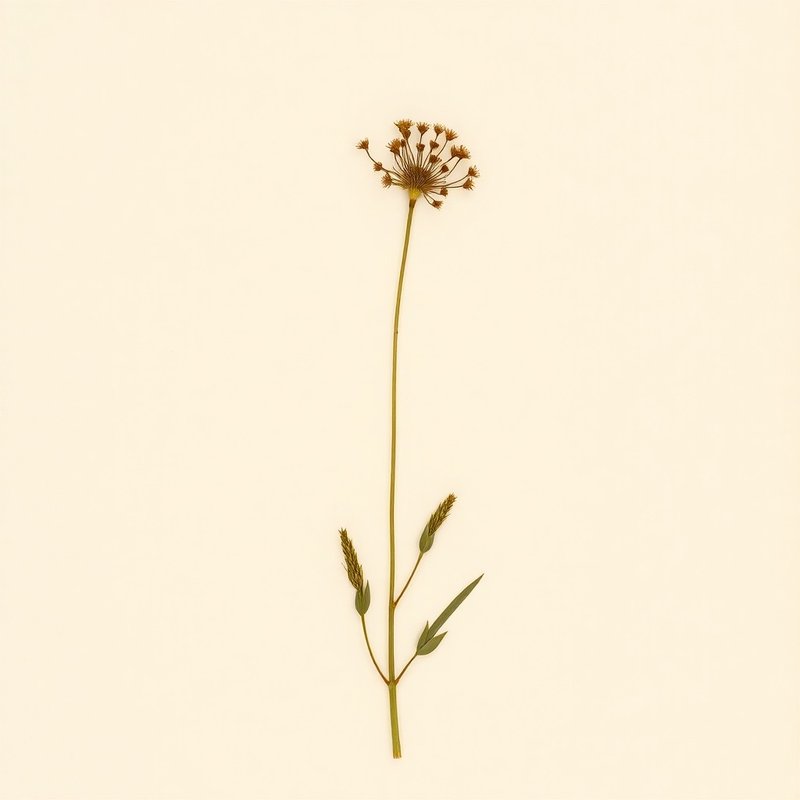
Linum humile, commonly known as Linum humile, is an annual forb or herb native to the arid and semi-arid regions of Iran, Iraq, Lebanon-Syria, North Caucasus, Transcaucasus, and Turkey. This plant thrives in moist but well-drained soils, particularly light (sandy) and medium textures with a pH range of 6.5–7. Known for its edible and medicinal properties, Linum humile is valued both as an ornamental and for its practical uses. It reaches a height of up to 0.6 meters and prefers moderate sunlight, making it suitable for areas with 7 out of 10 light exposure. This plant is adaptable and can be found in a wide range of introduced regions, including parts of North America, Europe, and Asia. While it is not drought-resistant, it can be cultivated in various environments, from temperate to tropical climates. Linum humile is edible and can be used for its oil, though no specific parts or compounds are highlighted. Its introduction into numerous regions underscores its versatility and potential for cultivation in diverse settings.
What is Linum humile?
Linum humile, commonly known as Linum humile, is an annual forb or herb native to the arid and semi-arid regions of Iran, Iraq, Lebanon-Syria, North Caucasus, Transcaucasus, and Turkey. This plant thrives in moist but well-drained soils, particularly light (sandy) and medium textures with a pH range of 6.
IV·bMixology suggestions
2 drafts
Mixology suggestions
2 draftsVCultivation
Cultivation
How to grow Linum humile for the first time
Start with Skip by preparing the soil and planting seeds in early spring for a successful annual herb.
- 1
What you'll need
Seeds, a garden fork or trowel, a watering can.
- 2
Best time to plant
Plant Skip seeds in early spring as soon as the soil is workable.
- 3
Soil and container prep
Prepare well-draining soil with a pH of 6.5–7. Loosen the topsoil to about 30 cm deep.
- 4
Sowing or transplanting
Sow seeds directly into the garden bed, spacing them about 20-30 cm apart and covering lightly with soil.
- 5
First two weeks
Keep the soil consistently moist. Thin seedlings to 15-20 cm apart once they have their first set of true leaves.
- 6
Ongoing care
Water regularly, especially during dry spells. Mulch around plants to retain moisture and suppress weeds.
- 7
Harvest or pruning
Prune Skip after flowering to encourage more blooms and prevent self-seeding.
- 8
Common mistakes
Overwatering, planting in heavy soil, neglecting to thin seedlings.
VIEdible & utility
Edible & utility
VIIDistribution
6 native · 139 introduced
Distribution
6 native · 139 introducedIXSpecimen gallery
1 image
Specimen gallery
1 imageExplore further
About this entry
- Last updated
- Citation
- How to cite this entry · Submit a correction
Continue reading
Get archive updates
Occasional email when substantial new content lands — plant profiles, seasonal growing notes, folk-remedy additions. Free, no tracking, unsubscribe anytime.