
Litsea umbrosa
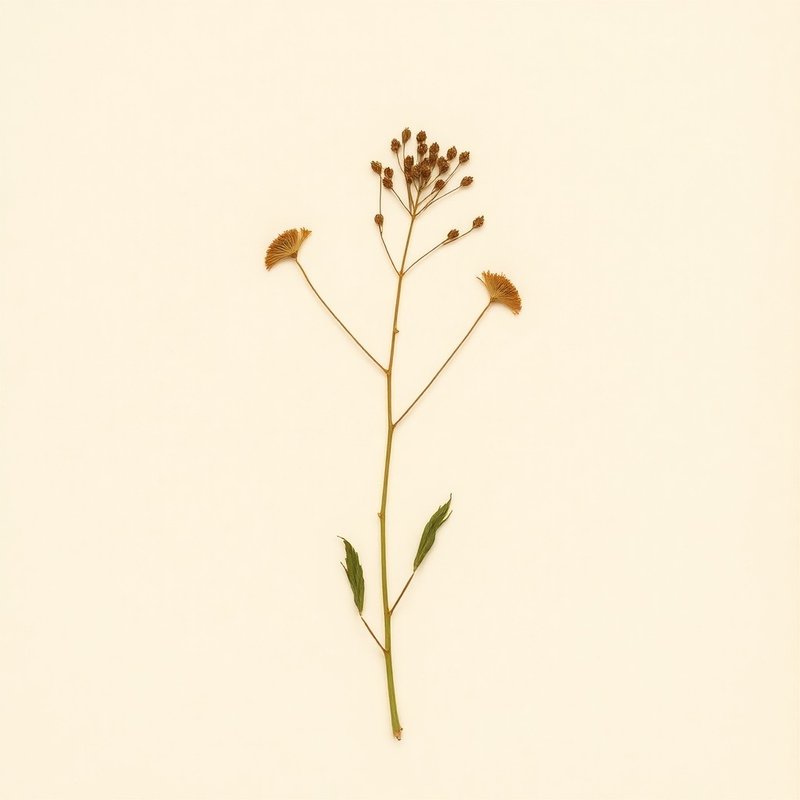
IOverview
Overview
Litsea umbrosa, commonly known as Andaman laurel or Indian laurel, is a member of the Lauraceae family and is native to the tropical forests of the Andaman Islands, Assam, and Myanmar. This evergreen shrub thrives in moist conditions with light to partial shade, making it adaptable to various soil types, including sandy, medium, and clay soils. Native to these regions, L. umbrosa is known for its edible properties, often used in local cuisines. This plant is particularly versatile, growing well under a range of environmental conditions, from full sun to partial shade, which makes it a suitable addition to gardens or landscapes. While primarily valued for its edible oil, L. umbrosa is not known for medicinal uses. However, it is important to exercise caution when handling any plant, as some may cause skin irritation or other adverse reactions.
What is Litsea umbrosa?
Litsea umbrosa, commonly known as Andaman laurel or Indian laurel, is a member of the Lauraceae family and is native to the tropical forests of the Andaman Islands, Assam, and Myanmar.
VCultivation
Cultivation
How to grow Litsea umbrosa for the first time
Start with a simple and forgiving approach to growing Litsea umbrosa.
- 1
What you'll need
A small plant or seeds, a pot, good quality soil, and water.
- 2
Best time to plant
Plant in spring when the weather is warming up.
- 3
Soil and container prep
Use well-draining soil and ensure your container has drainage holes.
- 4
Sowing or transplanting
Transplant a small plant into a larger pot or directly sow seeds in the ground.
- 5
First two weeks
Keep the soil moist but not waterlogged. Place it in partial shade to avoid sunburn.
- 6
Ongoing care
Water when the top inch of soil feels dry, and place it where it gets some sunlight.
- 7
Harvest or pruning
Prune lightly to shape the plant or remove dead leaves as needed.
- 8
Common mistakes
Overwatering, placing in full sun, using poor soil drainage.
VIEdible & utility
Edible & utility
VIIDistribution
3 native · 0 introduced
Distribution
3 native · 0 introducedIXSpecimen gallery
1 image
Specimen gallery
1 imageExplore further
About this entry
- Last updated
- Citation
- How to cite this entry · Submit a correction
Continue reading
Get archive updates
Occasional email when substantial new content lands — plant profiles, seasonal growing notes, folk-remedy additions. Free, no tracking, unsubscribe anytime.