
Haskap
Lonicera caerulea
Educational content — not medical, botanical, or professional advice. Plant identification, safety, and edibility depend on local conditions, cultivars, and correct identification. Consult a qualified botanist or forager before consuming or handling wild specimens. How we source & review →
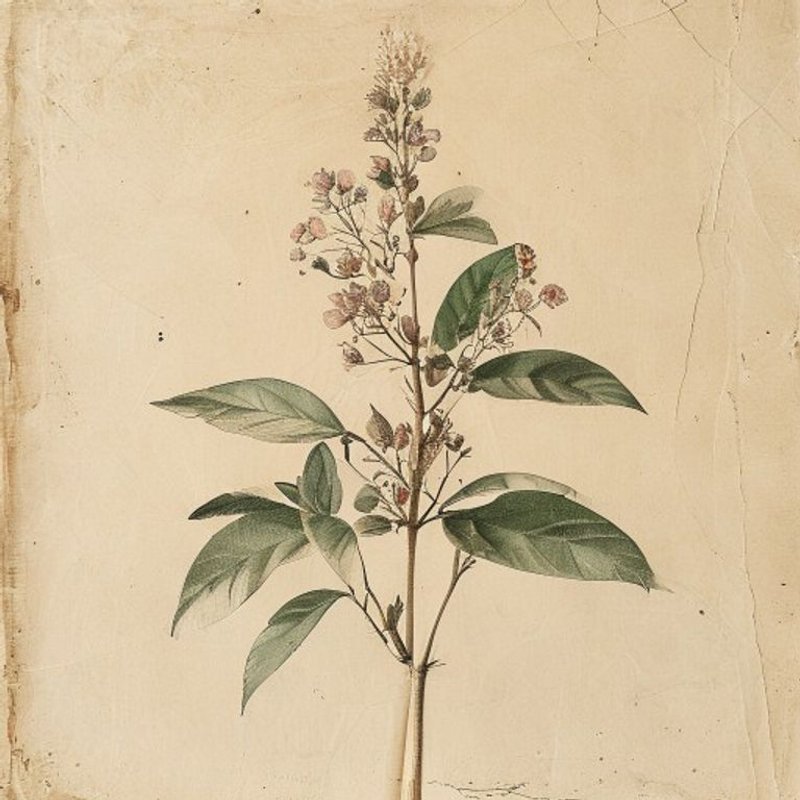
Pl. 8D3A — Lonicera caerulea
Lonicera caeruleaLonicera caeruleaLonicera caeruleaLonicera caeruleaLonicera caeruleaLonicera caeruleaLonicera caeruleaLonicera caeruleaLonicera caeruleaLonicera caeruleaLonicera caeruleaLonicera caeruleaLonicera caeruleaLonicera caerulea
IOverview
Overview
Haskap (Lonicera caerulea) is a shrub native to regions across Europe and Asia, including Afghanistan, Albania, Alberta, Altay, Amur, Austria, Belarus, and more. This perennial plant thrives in moist, light to heavy soil with a pH of 4.5–5, making it adaptable to various growing conditions. Known for its edible fruit, haskap is cultivated for its sweet, blue berries that are both delicious and nutritious. With a height of up to 2 meters and a spread of about 1 meter, this shrub can add ornamental value to gardens while providing a bounty of fruit. Its light energy rating suggests it prefers partial shade but will tolerate full sun in cooler climates.
Quick answers
What is Haskap?
Haskap (Lonicera caerulea) is a shrub native to regions across Europe and Asia, including Afghanistan, Albania, Alberta, Altay, Amur, Austria, Belarus, and more. This perennial plant thrives in moist, light to heavy soil with a pH of 4.5–5, making it adaptable to various growing conditions.
Growingconditions · propagation · uses
VCultivation
Cultivation
Haskap prefers full to partial sun and thrives in moist, well-drained soils that are light (sandy), medium, or heavy (clay). It is hardy in zones 3-9 and grows as a perennial shrub reaching up to 2 meters in height and 1 meter in width. Propagate by seed or softwood cuttings. Ensure the soil pH ranges between 4.5 and 5 for optimal growth.
Light
6/10
Water
Moist
Soil
Light (sandy), Medium, Heavy (clay)
Hardiness
3-9
Life cycle
Perennial
Habit
Shrub
Mature size
2.0 m × 1 m
Soil pH
4.5–5
Seasonal calendar
Northern hemisphere · UTC month is September
winterspringsummerautumnwinter
BloomJFMAMJJASOND
For first-time growers
How to grow Haskap for the first time
8steps
Start with planting Haskap in your garden for a rewarding beginner experience.
- 1
What you'll need
Haskap plants, gardening gloves, trowel, watering can.
- 2
Best time to plant
Plant Haskap in early spring or late fall when the ground is workable but not frozen.
- 3
Soil and container prep
Ensure soil is well-draining with a pH between 4.5 and 5; amend as needed.
- 4
Sowing or transplanting
Transplant young Haskap plants from containers into the garden, spacing them about 1 meter apart.
- 5
First two weeks
Water regularly to keep soil moist but not waterlogged; mulch around the base for insulation.
- 6
Ongoing care
Provide full sun exposure and regular watering during dry spells; prune in late winter before new growth starts.
- 7
Harvest or pruning
Prune plants annually to maintain shape and encourage fruiting; harvest fruits when they turn a deep purple-blue.
- 8
Common mistakes
Overwatering, planting too close together, neglecting winter protection in colder zones.
VIEdible & utility
Edible & utility
Edible parts:Fruit
Edible uses: The haskap fruit is the primary edible part of this plant. Typically harvested when ripe, it can be eaten raw or used in various preparations such as jams, jellies, and juices. The fruits are also dried for later use. SKIP
Other uses:Attracts insectsHedgerowPoultry forage
Contextrange · companions · related
VIIDistribution
30 native · 0 introduced
Distribution
30 native · 0 introducedDistribution across2 continents· 30 native
Europe9 regions
native (9)AlbaniaAustriaBelarusBulgariaFinlandFranceGermanyItalyRussia
Asia5 regions
native (5)AfghanistanChinaJapanPakistanUzbekistan
Broader regions
native:Kirgizstan, Tadzhikistan, West Himalaya, Alberta, Altay, Amur, Baltic States, British Columbia, Buryatiya, California, Chita, Czechoslovakia, Idaho, Irkutsk
IXSpecimen gallery
1 image
Specimen gallery
1 imageXI
Explore further
Companion planting
Growing zone
XII
About this entry
- Last updated
- Citation
- How to cite this entry · Submit a correction
Back to the cataloguePlant id · 8d3a4663-79b4-4a90-9756-fee6325b113c
Decision aid
Choosing between Haskap and something else?
Continue reading
❦❦❦❦
Endpaper · archive updates
Get archive updates
Occasional email when substantial new content lands — plant profiles, seasonal growing notes, folk-remedy additions. Free, no tracking, unsubscribe anytime.