
Japanese Honeysuckle
Lonicera japonica
Educational content — not medical, botanical, or professional advice. Plant identification, safety, and edibility depend on local conditions, cultivars, and correct identification. Consult a qualified botanist or forager before consuming or handling wild specimens. How we source & review →
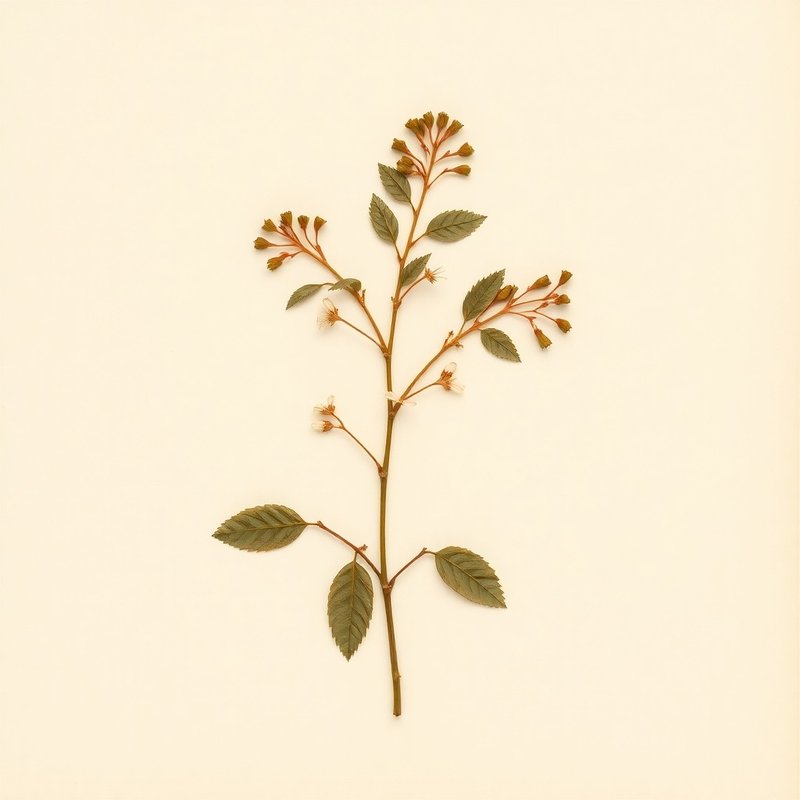
Pl. 0105 — Lonicera japonica
Lonicera japonicaLonicera japonicaLonicera japonicaLonicera japonicaLonicera japonicaLonicera japonicaLonicera japonicaLonicera japonicaLonicera japonicaLonicera japonicaLonicera japonicaLonicera japonicaLonicera japonicaLonicera japonica
IOverview
Overview
Japanese Honeysuckle (Lonicera japonica) is a vine native to China North-Central, South-Central, Southeast, Japan, Korea, Manchuria, and Taiwan. This plant is known for its edible flowers and leaves, which can be used in various culinary applications. It thrives in light, medium, or heavy soil with a pH range of 4.9 to 8.3, making it adaptable to different growing conditions. Japanese Honeysuckle prefers dry to moist environments and can grow up to 5 meters tall. Its distinctive feature is its fragrant, tubular flowers that attract pollinators and add ornamental value to gardens.
Quick answers
What is Japanese Honeysuckle?
Japanese Honeysuckle (Lonicera japonica) is a vine native to China North-Central, South-Central, Southeast, Japan, Korea, Manchuria, and Taiwan. This plant is known for its edible flowers and leaves, which can be used in various culinary applications.
Growingconditions · propagation · uses
VCultivation
Cultivation
Japanese Honeysuckle thrives in a variety of soils—light (sandy), medium, and heavy (clay)—with a preferred pH range of 4.9 to 8.3. It is adaptable to both dry and moist conditions but prefers light to moderate watering. This vine can grow up to 5 meters tall and requires partial shade to full sun, with an ideal light requirement of 5/10. Hardy in temperate regions from zones 4-10, it can be propagated through cuttings or layering. Harvest the edible flowers and leaves for culinary use.
Light
5/10
Water
Dry, Moist
Soil
Light (sandy), Medium, Heavy (clay)
Hardiness
4-10
Habit
Vine
Mature size
5.0 m tall
Soil pH
4.9–8.3
For first-time growers
How to grow Japanese Honeysuckle for the first time
8steps
Start with Japanese Honeysuckle as a simple, low-maintenance vine for your garden.
- 1
What you'll need
Seeds or young plants, gardening gloves, pruning shears.
- 2
Best time to plant
Plant in spring after the last frost or in early fall before the first freeze.
- 3
Soil and container prep
Choose a location with well-draining soil; amend with compost if necessary. Ensure containers are at least 12 inches wide and deep.
- 4
Sowing or transplanting
Direct sow seeds in the ground after danger of frost is past, or start indoors 6-8 weeks before planting outside. Transplant young plants when they have several sets of leaves.
- 5
First two weeks
Water regularly to keep soil moist but not waterlogged. Monitor for pests and diseases; treat if necessary.
- 6
Ongoing care
Provide support like a trellis or fence. Water deeply once a week, more often in dry spells. Fertilize lightly with compost every spring.
- 7
Harvest or pruning
Prune in late winter to maintain shape and encourage new growth; harvest flowers for drying or making tea.
- 8
Common mistakes
Overwatering, not providing support, neglecting to prune, using too much fertilizer, planting in heavy clay soil without amending.
VIEdible & utility
Edible & utility
Edible parts:FlowersLeaves
Edible uses: Tea
Other uses:Weaving materialPest controlGround coverFragrance
Contextrange · companions · related
VIIDistribution
7 native · 23 introduced
Distribution
7 native · 23 introducedDistribution across4 continents· 7 native· 23 introduced
Europe1 region
introduced (1)Portugal
Asia4 regions
native (4)ChinaJapanSouth KoreaTaiwan
Americas7 regions
introduced (7)Costa RicaEl SalvadorGuatemalaHaitiHondurasJamaicaUnited States
Oceania1 region
introduced (1)Fiji
Broader regions
introduced:Ascension, Argentina Northwest, Cayman Is., Connecticut, Delaware, California, Brazil South, Arkansas, Florida, Illinois, Indiana, Kansas, Kentucky, KwaZulu-Natal
IXSpecimen gallery
1 image
Specimen gallery
1 imageXI
Explore further
Companion planting
Growing zone
XII
About this entry
- Last updated
- Citation
- How to cite this entry · Submit a correction
Back to the cataloguePlant id · 01050c9b-2380-4211-9fd3-a55414366006
Decision aid
Choosing between Japanese Honeysuckle and something else?
Continue reading
❦❦❦❦
Endpaper · archive updates
Get archive updates
Occasional email when substantial new content lands — plant profiles, seasonal growing notes, folk-remedy additions. Free, no tracking, unsubscribe anytime.