
Greater Bird's Foot Trefoil
Lotus halophilus
Educational content — not medical, botanical, or professional advice. Plant identification, safety, and edibility depend on local conditions, cultivars, and correct identification. Consult a qualified botanist or forager before consuming or handling wild specimens. How we source & review →
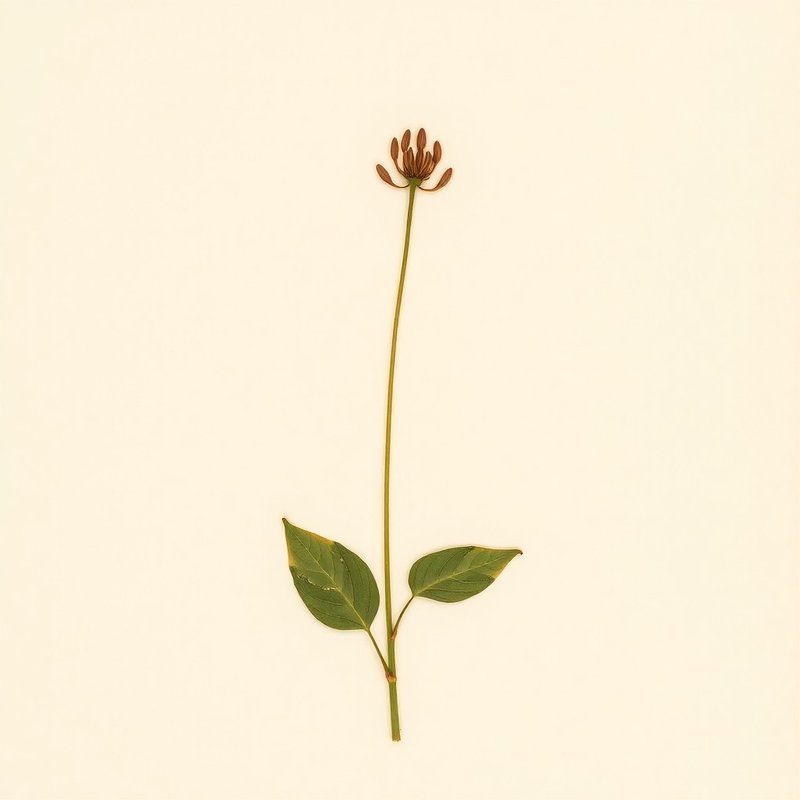
Pl. F560 — Lotus halophilus
Lotus halophilusLotus halophilusLotus halophilusLotus halophilusLotus halophilusLotus halophilusLotus halophilusLotus halophilusLotus halophilusLotus halophilusLotus halophilusLotus halophilusLotus halophilusLotus halophilus
IOverview
Overview
Greater Bird's Foot Trefoil, scientifically known as Lotus halophilus, is a perennial plant native to regions such as Algeria, Cyprus, Egypt, Greece, and Turkey. It thrives in various habitats including dry and moist areas with light (sandy), medium, or heavy (clay) soils. This plant grows up to 0.6 meters tall and prefers full sun. Known for its edible seeds, Greater Bird's Foot Trefoil is a valuable resource in some regions of the Middle East and Mediterranean. One distinctive feature of this plant is its ability to grow in diverse soil conditions, making it adaptable to different environments.
Quick answers
What is Greater Bird's Foot Trefoil?
Greater Bird's Foot Trefoil, scientifically known as Lotus halophilus, is a perennial plant native to regions such as Algeria, Cyprus, Egypt, Greece, and Turkey. It thrives in various habitats including dry and moist areas with light (sandy), medium, or heavy (clay) soils.
Growingconditions · propagation · uses
VCultivation
Cultivation
Greater Bird's Foot Trefoil thrives in full sun and can tolerate both dry and moist conditions. It prefers light (sandy), medium, or heavy (clay) soils. This perennial grows to about 0.6 meters tall and is hardy in temperate regions. For propagation, seeds are the recommended method. Ensure the soil is well-draining but also capable of retaining some moisture for best results.
Light
Full sun
Water
Dry, Moist
Soil
Light (sandy), Medium, Heavy (clay)
Life cycle
Perennial
Mature size
0.6 m tall
For first-time growers
How to grow Greater Bird's Foot Trefoil for the first time
7steps
Start with Greater Bird's Foot Trefoil by planting it in a sunny spot and providing well-draining soil.
- 1
What you'll need
Seeds or seedlings, potting mix, container if needed.
- 2
Best time to plant
Plant seeds in spring after the last frost or purchase established plants any time of year.
- 3
Soil and container prep
Use a well-draining soil mix. Ensure containers have drainage holes.
- 4
Sowing or transplanting
Direct sow seeds 0.5 inches deep, spaced 12-18 inches apart. Transplant seedlings when they are strong enough to handle.
- 5
First two weeks
Water sparingly but ensure the soil does not dry out completely. Keep in a partially shaded area if new.
- 6
Ongoing care
Provide full sun and water only when the soil is very dry. Prune back after flowering to encourage more blooms.
- 7
Harvest or pruning
Prune dead or damaged foliage throughout the growing season to maintain plant health.
VIEdible & utility
Edible & utility
Edible parts:Seed
Edible uses: The Greater Bird's Foot Trefoil is a perennial plant that can be eaten. Its seeds are the edible part and are typically prepared by drying before consumption.
Other uses:Nitrogen fixer
Contextrange · companions · related
VIIDistribution
21 native · 0 introduced
Distribution
21 native · 0 introducedDistribution across3 continents· 21 native
Europe3 regions
native (3)CyprusGreeceItaly
Asia7 regions
native (7)IranIraqKuwaitOmanPalestineSaudi ArabiaTurkey
Africa5 regions
native (5)AlgeriaEgyptLibyaMoroccoTunisia
Broader regions
native:East Aegean Is., Gulf States, Kriti, Lebanon-Syria, Sinai
IXSpecimen gallery
1 image
Specimen gallery
1 imageXI
Explore further
Companion planting
XII
About this entry
- Last updated
- Citation
- How to cite this entry · Submit a correction
Back to the cataloguePlant id · f56036ad-f09b-4ed0-a4f3-7d3680ead5af
Decision aid
Choosing between Greater Bird's Foot Trefoil and something else?
Continue reading
❦❦❦❦
Endpaper · archive updates
Get archive updates
Occasional email when substantial new content lands — plant profiles, seasonal growing notes, folk-remedy additions. Free, no tracking, unsubscribe anytime.