
Loofah
Luffa aegyptiaca
Educational content — not medical, botanical, or professional advice. Plant identification, safety, and edibility depend on local conditions, cultivars, and correct identification. Consult a qualified botanist or forager before consuming or handling wild specimens. How we source & review →
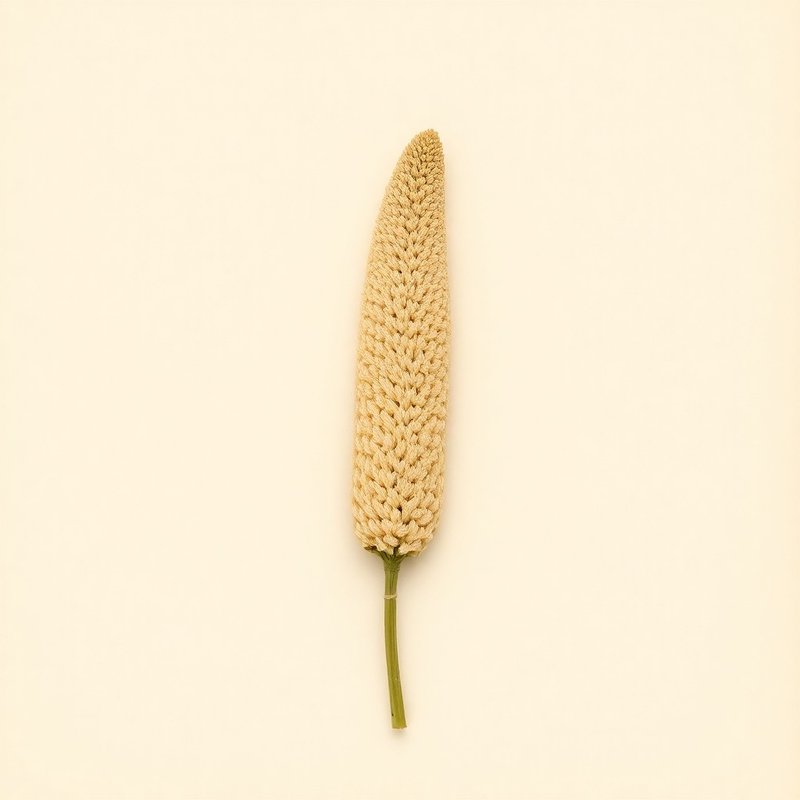
Pl. 582B — Luffa aegyptiaca
Luffa aegyptiacaLuffa aegyptiacaLuffa aegyptiacaLuffa aegyptiacaLuffa aegyptiacaLuffa aegyptiacaLuffa aegyptiacaLuffa aegyptiacaLuffa aegyptiacaLuffa aegyptiacaLuffa aegyptiacaLuffa aegyptiacaLuffa aegyptiacaLuffa aegyptiaca
IOverview
Overview
Loofah (Luffa aegyptiaca) is an annual vine native to the Assam region of India and surrounding areas in Bangladesh and the Himalayas. This plant thrives in full sun and moist conditions, growing up to 15 meters tall. Loofah is known for its edible parts, including flowers, fruits, leaves, seeds, and shoots. While primarily cultivated for its use as a vegetable or sponge, it also serves ornamental purposes due to its distinctive, elongated fruit that can be dried and used in various crafts. Its adaptability to light (sandy), medium, and heavy clay soils makes it versatile in garden settings, though it requires a warm climate with temperatures between 10-12 on the USDA hardiness scale.
Quick answers
What is Loofah?
Loofah (Luffa aegyptiaca) is an annual vine native to the Assam region of India and surrounding areas in Bangladesh and the Himalayas. This plant thrives in full sun and moist conditions, growing up to 15 meters tall. Loofah is known for its edible parts, including flowers, fruits, leaves, seeds, and shoots.
Growingconditions · propagation · uses
VCultivation
Cultivation
Loofah (Luffa aegyptiaca) thrives in full sun and requires moist soil that can be light (sandy), medium, or heavy (clay). It is an annual vine that can grow up to 15 meters tall, making support necessary for its sprawling nature. Propagate by seed directly sown into the garden after all danger of frost has passed. Loofah prefers a warm climate and is hardy in temperate regions with zones 10-12. Ensure consistent moisture and provide ample space as it spreads rapidly. Harvest the fruit when fully mature for use or consumption.
Light
Full sun
Water
Moist
Soil
Light (sandy), Medium, Heavy (clay)
Hardiness
10-12
Life cycle
Annual
Habit
Vine, Forb/herb
Mature size
15.0 m tall
For first-time growers
How to grow Loofah for the first time
8steps
Start with easy-to-grow loofah vines for a rewarding beginner gardening project.
- 1
What you'll need
Seeds, containers or garden space, compost, and stakes or trellis.
- 2
Best time to plant
Plant seeds after the last frost in spring when soil temperatures are at least 21°C (70°F).
- 3
Soil and container prep
Use well-draining soil with a pH between 6.0 and 7.5, ensuring containers are at least 30 cm deep.
- 4
Sowing or transplanting
Start seeds indoors about 4 weeks before the last frost, then transplant outdoors once seedlings have two true leaves.
- 5
First two weeks
Water regularly to keep soil moist but not waterlogged. Provide support for vines to climb.
- 6
Ongoing care
Water deeply every 7-10 days, especially during fruiting. Fertilize with compost tea monthly.
- 7
Harvest or pruning
Prune any dead or diseased leaves and stems to encourage healthy growth and prevent pests.
- 8
Common mistakes
Overwatering, planting too early in cold soil, not providing enough support for vines, and neglecting regular care.
VIEdible & utility
Edible & utility
Edible parts:FlowersFruitLeavesSeedShoots
Edible uses: Oil
Other uses:oilScourer
Contextrange · companions · related
VIIDistribution
5 native · 25 introduced
Distribution
5 native · 25 introducedDistribution across5 continents· 5 native· 25 introduced
Europe1 region
introduced (1)Albania
Asia4 regions
native (2)BangladeshIndia
introduced (2)CambodiaChina
Americas3 regions
introduced (3)Costa RicaDominican RepublicEl Salvador
Africa10 regions
introduced (10)AngolaBeninBurkina FasoBurundiCameroonChadComorosDjiboutiEritreaEthiopia
Oceania1 region
introduced (1)Fiji
Broader regions
native:West Himalaya, East Himalaya
introduced:Argentina Northeast, Caroline Is., Brazil South, Congo, Cook Is., Central African Repu, Florida
IXSpecimen gallery
1 image
Specimen gallery
1 imageXI
Explore further
Companion planting
Growing zone
XII
About this entry
- Last updated
- Citation
- How to cite this entry · Submit a correction
Back to the cataloguePlant id · 582b4cb5-d9b4-4004-bddd-067a41f2d064
Decision aid
Choosing between Loofah and something else?
Continue reading
❦❦❦❦
Endpaper · archive updates
Get archive updates
Occasional email when substantial new content lands — plant profiles, seasonal growing notes, folk-remedy additions. Free, no tracking, unsubscribe anytime.