
Lycium afrum
Lycium afrum
Educational content — not medical, botanical, or professional advice. Always consult a qualified clinician before using any herbal preparation — especially during pregnancy, breastfeeding, while on medication, or for children. How we source & review →
Garden journal pausedUse profile notes below
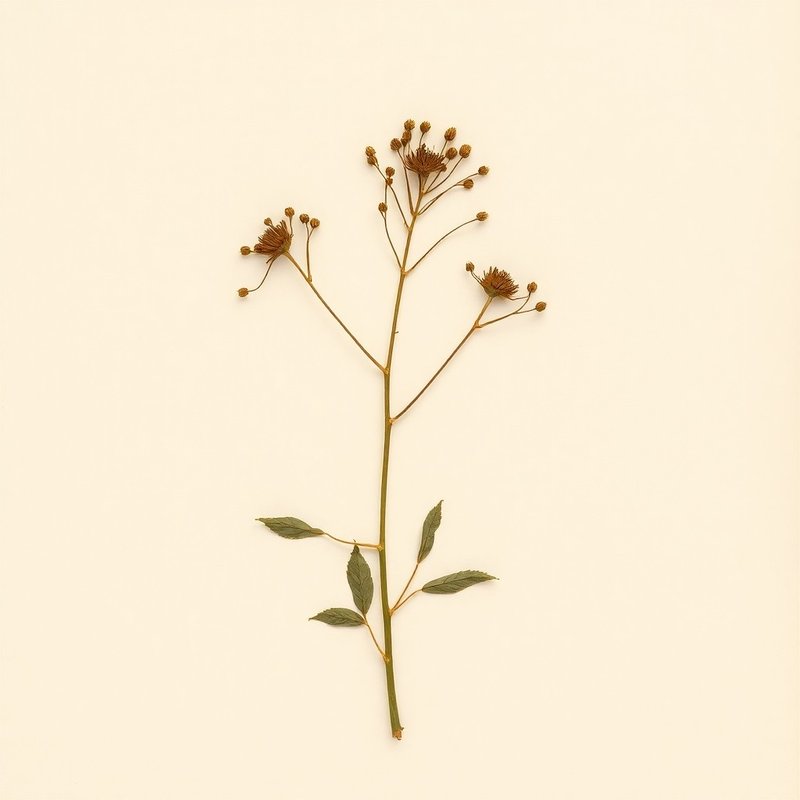
Pl. DC2A — Lycium afrum
Lycium afrumLycium afrumLycium afrumLycium afrumLycium afrumLycium afrumLycium afrumLycium afrumLycium afrumLycium afrumLycium afrumLycium afrumLycium afrumLycium afrum
IOverview
Overview
Lycium afrum, commonly known as the Cape Thorn Bush or African Boxthorn, is a shrub native to the Cape Provinces in South Africa. This plant belongs to the Solanaceae family and is both edible and medicinal. Its fruit, which can be eaten fresh or dried, is commonly consumed raw but can also be used to make jams or preserves. The plant thrives in light to medium soil types, including sandy and clay soils, and prefers a pH range of 6.5 to 7. It is hardy in zones 8-11, growing up to 2 meters tall, and is known for its thorny nature, which adds to its ornamental value and serves as a defense mechanism against herbivores. Lycium afrum is also valued for its utility in hedgerows and erosion control. The plant has been introduced into France, Italy, Spain, and Victoria, expanding its cultivation beyond its native range. Its distinctive blue and purple flowers bloom in May, making it an attractive addition to gardens and landscapes. While the plant is edible and has potential medicinal uses, caution should be exercised when handling or consuming it, as it contains thorns that can cause injury.
Quick answers
What is Lycium afrum?
Lycium afrum, commonly known as the Cape Thorn Bush or African Boxthorn, is a shrub native to the Cape Provinces in South Africa. This plant belongs to the Solanaceae family and is both edible and medicinal.
IV·bMixology suggestions
2 drafts
Mixology suggestions
2 draftsEditorial drafts. These pairings are AI-suggested from traditional herbal lore. Always verify with a qualified herbalist before brewing.
Stress Relief
stresstincture
Historically used for calming the mind.
Growingconditions · propagation · uses
VCultivation
Cultivation
Lycium afrum thrives in light to moderate shade and prefers well-drained soils that are light (sandy), medium, or heavy (clay). It is best suited for areas with a consistent moisture level, ranging from dry to moist conditions. The plant is hardy in temperate regions, typically growing to about 2 meters tall. For optimal fruit production, maintain a soil pH between 6.5 and 7. Propagate Lycium afrum through cuttings or seeds.
Light
8/10
Water
Dry, Moist
Soil
Light (sandy), Medium, Heavy (clay)
Hardiness
8-11
Mature size
2.0 m tall
Soil pH
6.5–7
Seasonal calendar
Northern hemisphere · UTC month is November
winterspringsummerautumnwinter
BloomJFMAMJJASOND
For first-time growers
How to grow Lycium afrum for the first time
8steps
Start with Skip by ensuring you have the right conditions and care, making it a manageable project for beginners.
- 1
What you'll need
A small plant or seeds, well-draining soil, a pot if planting in containers.
- 2
Best time to plant
Plant Skip during spring when the weather is mild and stable.
- 3
Soil and container prep
Use a mix of light (sandy), medium, or heavy clay soil with a pH between 6.5–7. Ensure containers have drainage holes.
- 4
Sowing or transplanting
Transplant Skip from its pot to the garden bed or plant directly in the ground if large enough.
- 5
First two weeks
Water regularly but avoid overwatering, keeping the soil moist but not soggy.
- 6
Ongoing care
Provide light watering during dry periods and mulch to retain moisture. Prune lightly in spring to maintain shape.
- 7
Harvest or pruning
Prune Skip in late winter to early spring to encourage new growth and remove any dead branches.
- 8
Common mistakes
Overwatering, planting too deep, neglecting regular pruning.
VIEdible & utility
Edible & utility
Edible parts:Fruit
Edible uses: The fruit of Lycium afrum is edible and can be eaten fresh or dried. It is commonly consumed raw but can also be used to make jams or preserves. Skip the preparation details for brevity.
Other uses:HedgerowErosion control
Contextrange · companions · related
VIIDistribution
1 native · 4 introduced
Distribution
1 native · 4 introducedDistribution across1 continent· 1 native· 4 introduced
Europe3 regions
introduced (3)FranceItalySpain
Broader regions
native:Cape Provinces
introduced:Victoria
IXSpecimen gallery
1 image
Specimen gallery
1 imageXI
Explore further
XII
About this entry
- Last updated
- Citation
- How to cite this entry · Submit a correction
Back to the cataloguePlant id · dc2aa27e-3b1f-4a5a-9efe-e7bf18036ce5
Decision aid
Choosing between Lycium afrum and something else?
Continue reading
❦❦❦❦
Endpaper · archive updates
Get archive updates
Occasional email when substantial new content lands — plant profiles, seasonal growing notes, folk-remedy additions. Free, no tracking, unsubscribe anytime.
Newsletter returning soon.
We are rebuilding the update list around a lightweight editorial workflow. New dispatches will resume after the next content review cycle.