
Lysichiton camtschatcense
Lysichiton camtschatcense
Educational content — not medical, botanical, or professional advice. Plant identification, safety, and edibility depend on local conditions, cultivars, and correct identification. Consult a qualified botanist or forager before consuming or handling wild specimens. How we source & review →
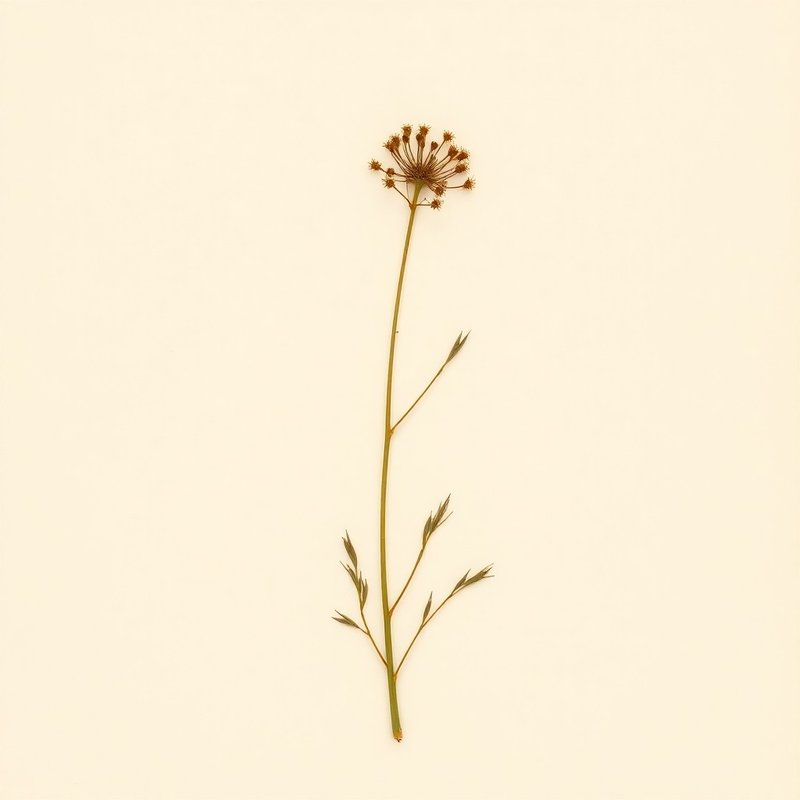
Pl. D6A0 — Lysichiton camtschatcense
Lysichiton camtschatcenseLysichiton camtschatcenseLysichiton camtschatcenseLysichiton camtschatcenseLysichiton camtschatcenseLysichiton camtschatcenseLysichiton camtschatcenseLysichiton camtschatcenseLysichiton camtschatcenseLysichiton camtschatcenseLysichiton camtschatcenseLysichiton camtschatcenseLysichiton camtschatcenseLysichiton camtschatcense
IOverview
Overview
Lysichiton camtschatcense, known as the Pacific or American skunk cabbage, is a striking perennial native to wetlands in Japan, Kamchatka, Khabarovsk, the Kuril Islands, and Sakhalin. This plant thrives in full to partial sun and prefers moist environments with light (sandy), medium, or heavy (clay) soil. It can grow up to 0.8 meters tall and is hardy in zones 5-9. The edible parts include the leaves and shoots, making it a valuable addition to foragers' collections. Its distinctive feature is its strong, pungent odor, which helps protect it from herbivores and aids in pollination by attracting flies.
Quick answers
What is Lysichiton camtschatcense?
Lysichiton camtschatcense, known as the Pacific or American skunk cabbage, is a striking perennial native to wetlands in Japan, Kamchatka, Khabarovsk, the Kuril Islands, and Sakhalin. This plant thrives in full to partial sun and prefers moist environments with light (sandy), medium, or heavy (clay) soil.
Growingconditions · propagation · uses
VCultivation
Cultivation
Lysichiton camtschatcense thrives in full to partial sun and requires consistently wet soil, making it ideal for bog gardens or areas with standing water. It prefers light, medium, or heavy soils and is hardy in zones 5-9. This perennial can grow up to 0.8 meters tall and produces edible leaves and shoots. Ensure the plant has ample moisture throughout the growing season. Propagation can be done through division of established clumps in early spring.
Light
Full sun, Partial sun/shade
Water
Wet, Water
Soil
Light (sandy), Medium, Heavy (clay)
Hardiness
5-9
Life cycle
Perennial
Mature size
0.8 m tall
For first-time growers
How to grow Lysichiton camtschatcense for the first time
8steps
Start with planting Lysichiton camtschatcense in a wet environment to ensure success.
- 1
What you'll need
A suitable location, container or ground space, and the plant itself.
- 2
Best time to plant
Plant in spring after the last frost or early fall before the first freeze.
- 3
Soil and container prep
Ensure the soil is moist and well-draining. Use a container with good drainage holes if planting in a pot.
- 4
Sowing or transplanting
Transplant young plants from divisions or purchase established ones for direct planting.
- 5
First two weeks
Keep the soil consistently moist and avoid direct sunlight to prevent leaf burn.
- 6
Ongoing care
Provide full sun to partial shade, keep the soil wet but not waterlogged, and mulch around the base for winter protection.
- 7
Harvest or pruning
Prune dead leaves in late winter before new growth emerges. Harvest young shoots and leaves as needed.
- 8
Common mistakes
Overwatering, planting in full sun, neglecting to mulch for winter protection.
VIEdible & utility
Edible & utility
Edible parts:LeavesShoots
Edible uses: The leaves and shoots of Lysichiton camtschatcense are edible. Typically, they are harvested young and can be eaten raw or cooked. The tender shoots are often blanched to remove bitterness before consumption. Leaves may also be used in cooking, though they might require more preparation due to their size.
Other uses:Ground coverFragrance
Contextrange · companions · related
VIIDistribution
5 native · 0 introduced
Distribution
5 native · 0 introducedDistribution across1 continent· 5 native
Asia1 region
native (1)Japan
Broader regions
native:Kamchatka, Khabarovsk, Kuril Is., Sakhalin
IXSpecimen gallery
1 image
Specimen gallery
1 imageXI
Explore further
Companion planting
Growing zone
XII
About this entry
- Last updated
- Citation
- How to cite this entry · Submit a correction
Back to the cataloguePlant id · d6a05f2c-c285-40a0-8937-547e2d81a42d
Decision aid
Choosing between Lysichiton camtschatcense and something else?
Continue reading
❦❦❦❦
Endpaper · archive updates
Get archive updates
Occasional email when substantial new content lands — plant profiles, seasonal growing notes, folk-remedy additions. Free, no tracking, unsubscribe anytime.